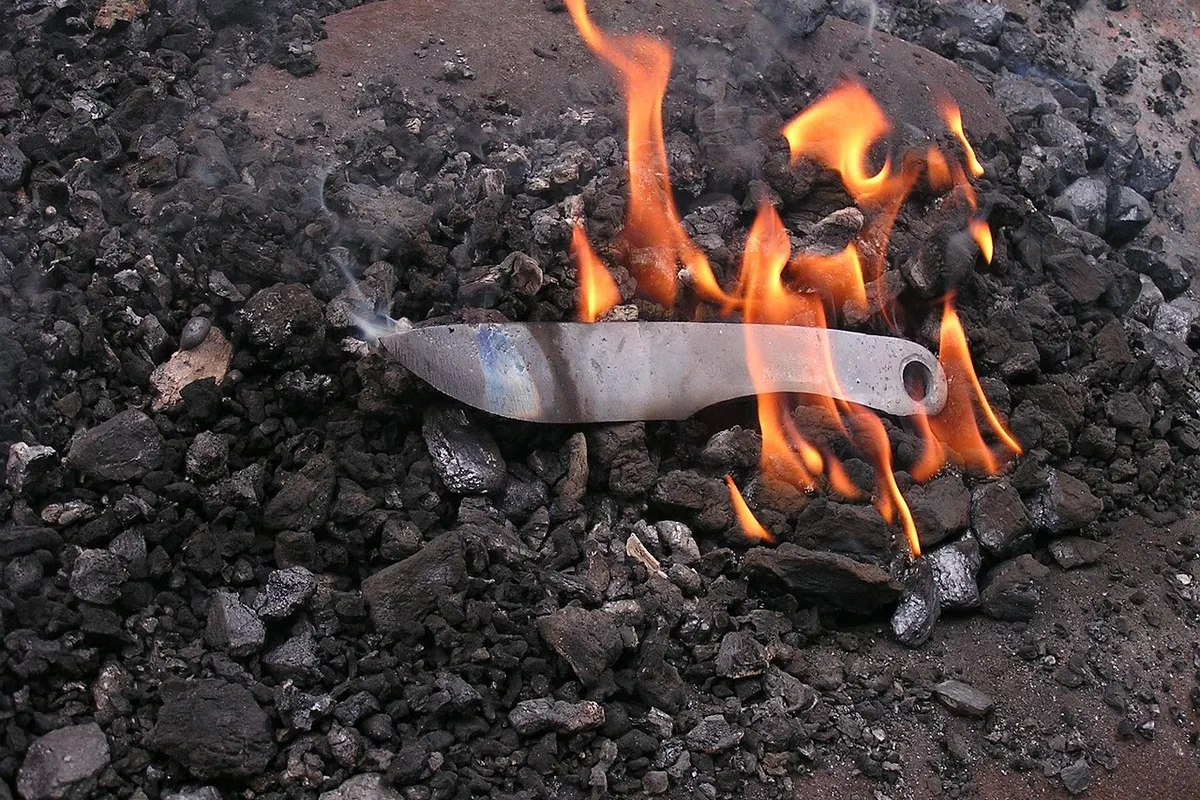
Forged Knife Maker With a Workshop Unit
Rent a small industrial unit, forge and grind knives for chefs and outdoor users, and sell direct and to local shops.
- A$10k-40k
- Part-time
- Own premises
Estimates for a small start in Australia, not guarantees.
What it is
A dedicated workshop where you forge and grind blades, heat treat them and finish handles. You make a regular range plus custom pieces, and may hire a helper as orders grow.
Your first three steps
- Build your skills through workshops or time with an experienced bladesmith, then settle on a small core range
- Look at industrial units and shared workshops nearby, and check that the zoning allows forging
- Register an ABN, set up a website and approach a few chefs and local stores with samples
Who pays
Professional and home chefs, outdoor and hunting customers, collectors, and gift or homewares shops that stock handmade goods.
How it makes money
Direct sales of finished knives online and from the workshop, wholesale to retailers, and higher priced custom commissions.
Skills that help
- Forging, grinding and heat treating steel
- Consistent quality across a range of knives
- Pricing and managing orders
- Selling and building a brand
Watch out for
- Check zoning, fire safety and any council approvals for a forge, plus gas and ventilation requirements
- State and territory knife laws on making, selling, displaying and posting knives, including sales to under 18s
- Public and product liability insurance, and workers compensation if you hire
- GST registration once your turnover reaches the threshold
- Equipment and rent are a real outlay, so test demand before committing to a long lease
🔒 Full research report for Australia
Real cost breakdown with current prices, licences and registration checklist, local competition, pricing, break-even and a 30-day launch plan, with sources.
Coming soonQuestions people ask
How much does it cost to set up a knife forging workshop?
Startup costs are typically around $10,000 to $40,000, depending on your forge, equipment, rent and fit-out. Equipment and rent are a real outlay, so test demand before committing to a long lease.
How much can a forged knife maker earn?
Monthly revenue is typically around $2,000 to $10,000, depending on your range, prices and whether you sell direct or to shops. These are estimates, and the work typically needs around 25 hours a week.
What rules should I check before opening a forge workshop?
Check zoning, fire safety, council approvals, and gas and ventilation requirements for a forge. Also check state and territory knife laws on making, selling and posting knives, plus insurance, workers compensation if you hire, and GST registration.
Other ways to run this business
Similar making and manufacturing ideas

Home shed toolroom for jigs and repairs
Use a well-equipped shed to make small jigs, fixtures and tooling repairs for local firms on evenings and weekends.
- A$8k-40k
- Side hustle
- From home

Prototype and product model workshop
Turn inventors' and product designers' sketches into prototypes and display models from a small workshop unit.
- A$8k-40k
- Part-time
- Own premises
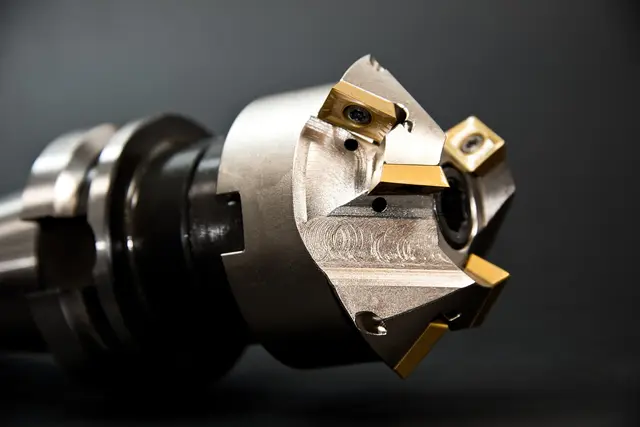
Prototype and one-off parts machinist
Use a compact lathe or mill in a garage or shed to make prototypes and repair parts on the side.
- A$8k-40k
- Side hustle
- From home
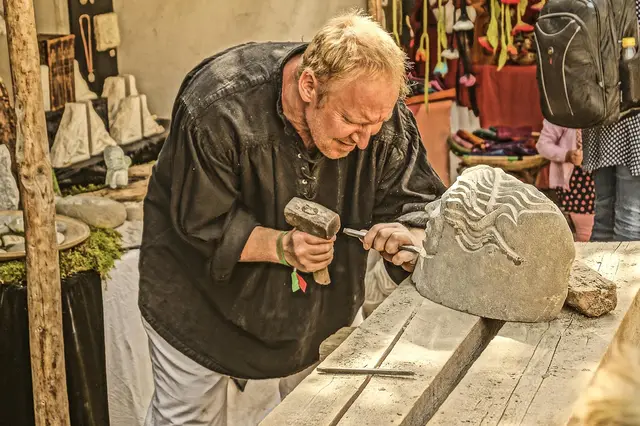
Memorial and architectural stone carving studio
Rent a small unit and carve memorials, lettering and architectural stonework on commission.
- A$10k-40k
- Full-time
- Own premises
Custom light fittings workshop
Make bespoke light fittings for homes, cafes, shops and offices from a small rented workshop.
- A$10k-40k
- Full-time
- Own premises
Tableware potter for cafes and shops
Produce consistent ceramic tableware from a small workshop for cafes, restaurants and gift shops.
- A$10k-40k
- Full-time
- Own premises
Photo: ernie on Pixabay