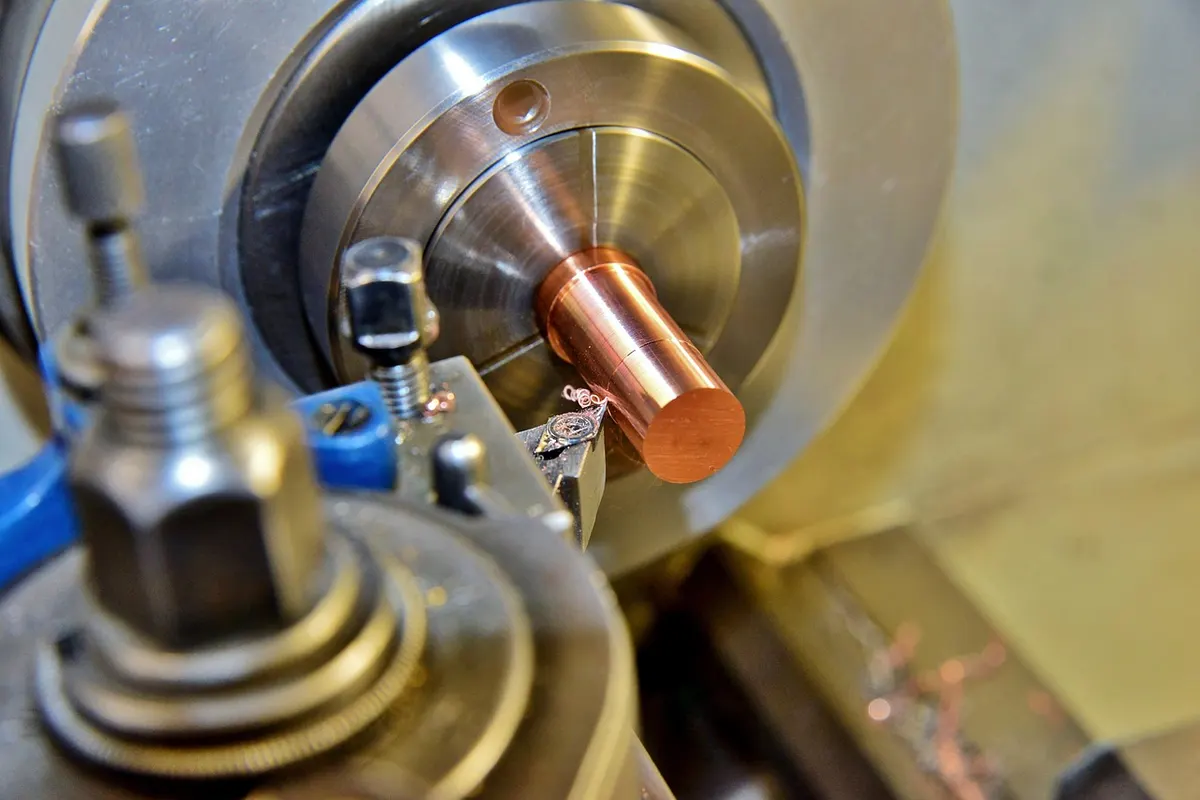
Small machine shop for custom parts
Turn metal and plastic into one-off and short-run parts on lathes and mills for local businesses.
- A$25k-120k
- Full-time
- Own premises
Estimates for a small start in Australia, not guarantees.
What it is
A small workshop with a manual or CNC lathe and mill, making custom parts, repairs and short production runs from drawings or worn samples.
Your first three steps
- Visit local fabricators, mechanics and farms to find out what parts they struggle to get made quickly
- Price up a second-hand lathe and mill and check rental terms for a small industrial unit
- Line up two or three trade customers who would send you trial jobs before you commit to premises
Who pays
Local farms, mechanics, fabricators, mining and marine suppliers, manufacturers and hobbyists who need parts made or replaced.
How it makes money
Charge an hourly machine rate or a fixed price per job, plus materials. Repeat work from a few regular trade customers helps keep the machines busy.
Skills that help
- Machining on lathes and mills
- Reading engineering drawings
- Accurate measuring and quoting
Watch out for
- Public liability and product liability insurance, especially for parts used in machinery
- Council zoning and noise rules for an industrial unit, check with your local council
- Workplace health and safety duties, including machine guarding and training, check your state's WHS regulator
- Workers compensation insurance once you hire staff
- Machines and tooling can be costly, and quiet months still mean rent to pay
🔒 Full research report for Australia
Real cost breakdown with current prices, licences and registration checklist, local competition, pricing, break-even and a 30-day launch plan, with sources.
Coming soonQuestions people ask
How much does it cost to start a small machine shop in Australia?
Startup costs are typically estimated at around $25,000 to $120,000, depending on whether you buy manual or CNC machines, your tooling, and the unit's fit-out. Machines and tooling can be costly, and quiet months still mean rent to pay.
How much can a small machine shop earn?
Monthly revenue is typically estimated at around $4,000 to $20,000, depending on your customer base, machine capacity and the mix of one-off and short-run work. Plan for quiet months, as rent still needs paying.
What rules and insurance should I check for a machine shop?
Check public liability and product liability insurance, especially for parts used in machinery. Also check council zoning and noise rules for an industrial unit, your state's WHS regulator duties such as machine guarding, and workers compensation once you hire staff.
Other ways to run this business
Similar making and manufacturing ideas

Compact water jet service for makers and designers
Use a smaller or second-hand water jet in a shared or small unit to cut custom parts for makers, designers and small workshops.
- A$40k-120k
- Part-time
- Own premises
Natural stone exporter with a small stock yard
Buy stone from quarries, hold stock in a small yard and ship mixed containers to overseas buyers.
- A$30k-120k
- Full-time
- Own premises
Trade leather wholesaler with a small unit
Hold full hides in a small warehouse unit and supply workshops, saddlers and manufacturers on trade accounts.
- A$30k-120k
- Full-time
- Own premises
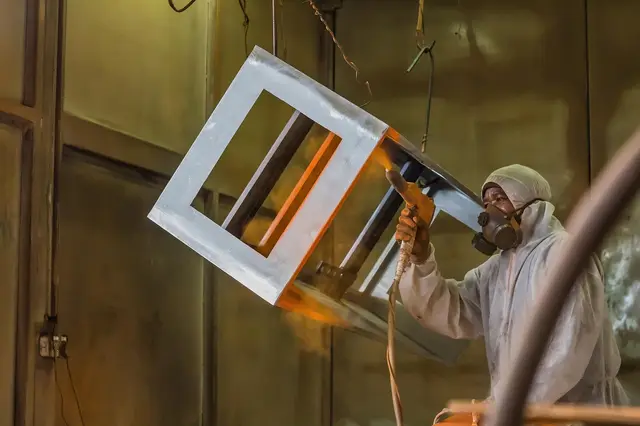
Powder coating workshop
Coat metal parts, wheels and fabricated items in a small unit with your own oven and spray booth.
- A$30k-120k
- Full-time
- Own premises
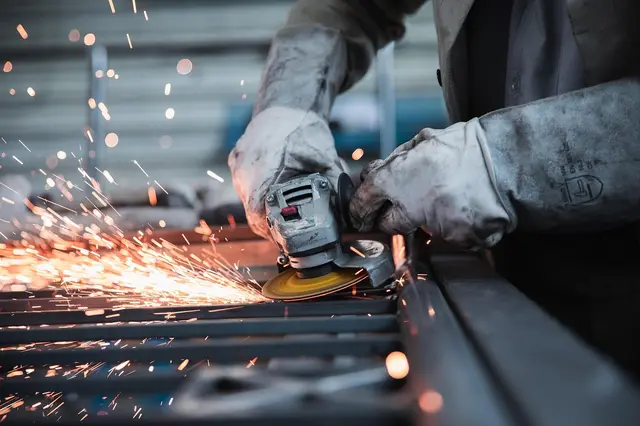
Fabrication workshop in a small unit
Rent an industrial unit and take on custom frames, stairs, sheet metal parts and trade contracts.
- A$25k-120k
- Full-time
- Own premises
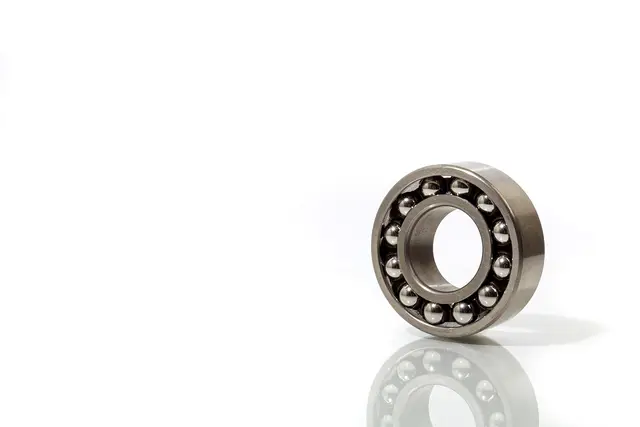
Local bearing and industrial parts counter
Open a small trade counter stocking bearings, seals and belts for nearby garages, farms and factories, with same-day pick-up.
- A$25k-100k
- Full-time
- Own premises
Photo: Ralphs_Fotos on Pixabay