Specialty meat wholesaler with a small coolroom unit
Source meat from local producers, portion it in a leased unit and supply restaurants, caterers and independent shops.

- A$120k-350k
- Full-time
- Own premises
- Licence or permit needed
Estimates for a small start in Australia, not guarantees.
What it is
You lease a small unit with a coolroom and prep area, buy whole or primal cuts from local producers or processors, and portion, pack and label them to customer specs. You then supply a local, regional or specialty range such as grass-fed or free-range.
Your first three steps
- Visit local producers and restaurants to find a niche range and confirm what both sides want to buy and sell
- Price leased units with a coolroom, or shared commercial kitchens or cold stores, and work out your break-even volume
- Speak to your state meat authority and local council about licensing, premises standards and food safety program requirements before you sign a lease
Who pays
Restaurants, caterers, independent butchers, delis and specialty food shops that want consistent quality and local sourcing.
How it makes money
You charge per kilo or per carton, with a higher margin for portioned, trimmed or specialty products than for plain boxed meat.
Skills that help
- Knife skills or access to a qualified butcher
- Building supplier and customer relationships
- Food safety and temperature control
- Managing stock, costs and invoicing
Watch out for
- Meat handling and processing licences and premises standards vary by state and council, so check before you commit to a lease
- You may need an approved food safety program and a trained food safety supervisor
- Public liability, product liability and stock or equipment insurance, plus workers compensation once you hire
- Large upfront costs for coolroom, cutting and packing equipment, refrigerated transport, licensed fit-out, lease bond and initial stock, plus ongoing power costs
- Stock waste, price swings from producers and slow-paying customers
Deep research report · Australia
Everything you need to start: specialty meat wholesaler with a small coolroom unit
Researched with live web search for Australia: real startup prices, the licences and rules, what others charge, a break-even example, how to find your first customers and a 30-day launch plan. With sources.
- Startup costs with real prices
- Licences, registration and rules
- Pricing: what others charge
- Break-even example
- Finding your first customers
- 30-day launch plan
- Risks and how to reduce them
Questions people ask
How much does it cost to start a specialty meat wholesale business?
Startup costs are typically around $120,000 to $350,000, depending on coolroom, cutting and packing equipment, refrigerated transport, licensed fit-out, lease bond and initial stock. These are estimates, so get quotes first.
How much can a small meat wholesaler earn per month?
Monthly revenue is typically around $15,000 to $70,000, depending on your customer base and product range. Stock waste, producer price swings and slow-paying customers can affect results. These figures are estimates only.
What licences or rules apply to meat wholesaling in Australia?
Things to check: meat handling and processing licences and premises standards vary by state and council, so check before signing a lease. You may also need an approved food safety program and a trained food safety supervisor, plus the right insurance.
Other ways to run this business
Similar food ideas
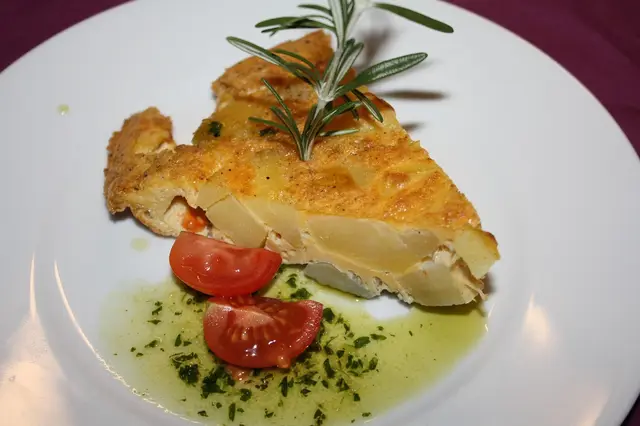
Small tapas bar and restaurant
Run a small neighbourhood venue serving Spanish-style shared plates and drinks to groups of friends.
- A$80k-350k
- Full-time
- Own premises
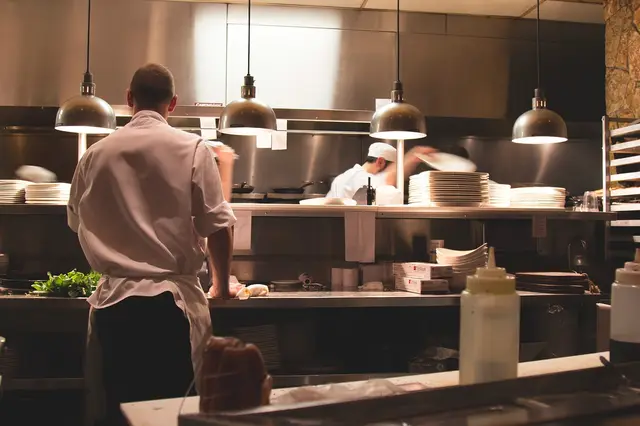
Shared commercial kitchen in a small unit
Lease a unit, fit it out as a licensed kitchen and rent bench time to local food makers.
- A$120k-350k
- Part-time
- Own premises
Rice and grain wholesale warehouse
Run a small leased unit stocking bulk rice and grains, with trade pickup and delivery for food businesses.
- A$120k-300k
- Full-time
- Own premises

Small neighbourhood restaurant
Open a small sit-down restaurant with a tight menu built around one cuisine you cook well.
- A$60k-300k
- Full-time
- Own premises

Sake brewery with a tasting room
Brew sake on site and welcome visitors for tastings, bottle sales and small events, alongside trade sales.
- A$100k-400k
- Full-time
- Own premises
Hong Kong-style cafe (cha chaan teng)
Open a small cafe serving milk tea, French toast and baked rice dishes to locals and students.
- A$60k-250k
- Full-time
- Own premises