Neighbourhood pet shop
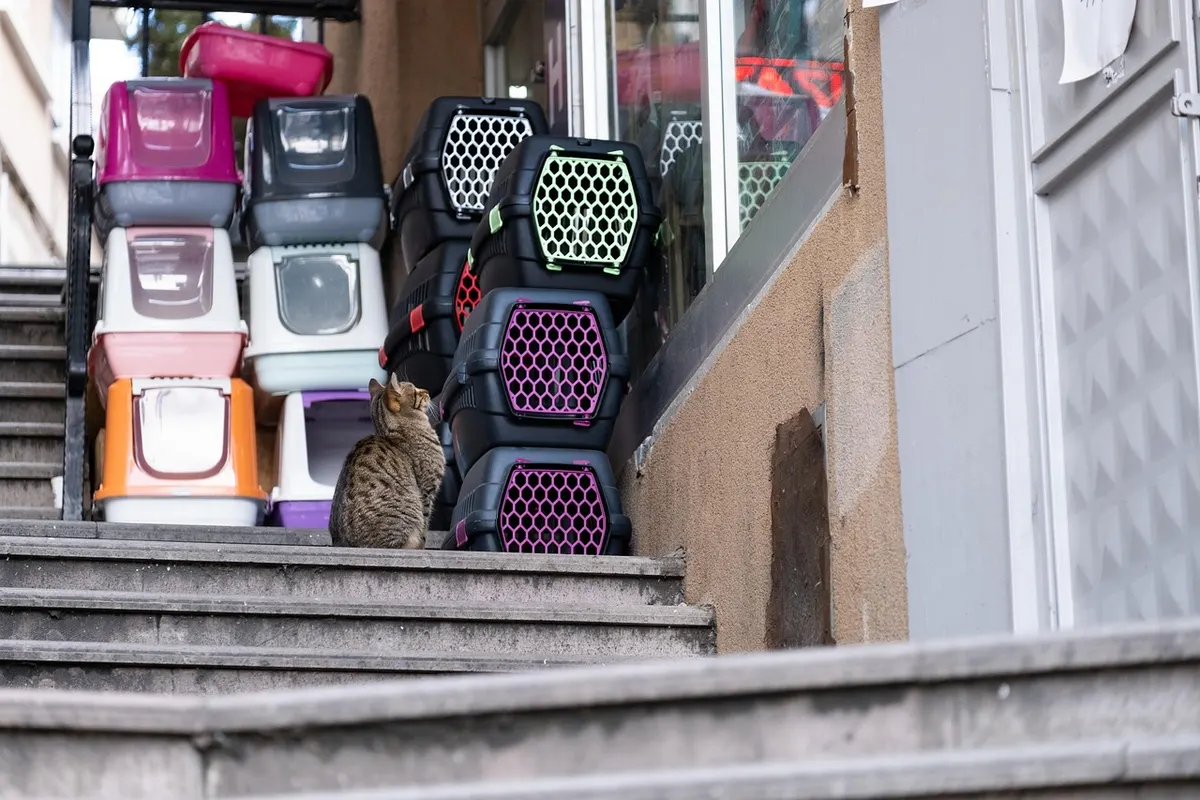
Open a small local shop selling pet food, accessories and advice to owners nearby.
- A$40k-150k
- Full-time
- Own premises
Estimates for a small start in Australia, not guarantees.
What it is
A small shop stocking pet food, treats, toys, beds, leads and care products for dogs, cats and small animals. Some shops also sell fish or small pets, but that adds extra rules and costs. You can add a simple online store later.
Your first three steps
- Visit pet shops in your area to see what is missing, such as a specialist food range, and what prices they charge
- Price up a shop lease, fit-out and opening stock, and talk to wholesalers and suppliers about minimum orders and terms
- Check with your local council whether you need any approval or permit to trade from your premises, and with your state animal welfare body if you want to sell live animals
Who pays
Local pet owners who want convenience, personal advice and quality food, often as regular repeat customers.
How it makes money
Retail margin on food and accessories, with repeat sales on food and consumables. Extras can include self-wash stations, loyalty cards or local delivery.
Skills that help
- Friendly customer service
- Knowing pet products and basic animal care
- Stock ordering and budgeting
- Comfortable handling animals
Watch out for
- A shop selling only pet food and products does not usually need a pet-specific licence, but check with your local council about planning, signage and trading requirements for your premises
- Selling live animals is regulated differently in each state and territory. Check licensing, registration and housing standards before you plan to stock any
- Public liability and stock insurance, plus workers compensation insurance once you hire staff
- Lease terms, fit-out costs and slow-moving stock tie up money, so check your cash flow carefully
- Competition from big chains and online stores means you need a clear local point of difference
- Register for an ABN, and check when you need to register for GST
Deep research report · Australia
Everything you need to start: neighbourhood pet shop
Researched with live web search for Australia: real startup prices, the licences and rules, what others charge, a break-even example, how to find your first customers and a 30-day launch plan. With sources.
- Startup costs with real prices
- Licences, registration and rules
- Pricing: what others charge
- Break-even example
- Finding your first customers
- 30-day launch plan
- Risks and how to reduce them
Questions people ask
How much does it cost to open a pet shop in Australia?
Startup costs are typically around $40,000 to $150,000, depending on your lease, fit-out and opening stock. These are estimates, so check your cash flow carefully, as slow-moving stock and fit-out costs tie up money.
Do I need a licence to sell pet food and supplies?
A shop selling only pet food and products does not usually need a pet-specific licence, but check planning, signage and trading requirements with your local council. Selling live animals is regulated differently in each state and territory, so check first.
How much can a neighbourhood pet shop earn?
Monthly revenue is typically around $15,000 to $60,000, depending on location, range and repeat customers. Expect at least about 35 hours a week. Competition from big chains and online stores means you need a clear local point of difference.
Other ways to run this business
Similar retail ideas
Local outdoor gear shop
Open a small shop selling hiking, camping and climbing gear, with advice from someone who uses it.
- A$40k-150k
- Full-time
- Own premises
Snowboard shop in a snow town or city
Open a small shop selling snowboards and clothing, near the snowfields or in a city where riders gear up.
- A$40k-150k
- Full-time
- Own premises
Local welding supply shop
Open a small trade counter selling welding gear, consumables and safety wear to tradies and workshops nearby.
- A$40k-150k
- Full-time
- Own premises

Local dairy and cheese shop
Run a small shop stocking fresh milk, cheese, eggs and dairy goods from local producers.
- A$40k-150k
- Full-time
- Own premises
Motorcycle parts and riding gear shop
Open a local shop stocking parts, accessories and riding gear for riders and nearby workshops.
- A$40k-150k
- Full-time
- Own premises
Door and hardware showroom
Open a small shop selling interior and exterior doors and fittings to local homeowners, builders and renovators.
- A$30k-150k
- Full-time
- Own premises
Photo: Sara32_jabar on Pixabay