Sharpening shop in a small industrial unit
Run a sharpening workshop and counter service for trades, joiners and the public from a small industrial unit.
- A$15k-70k
- Full-time
- Own premises
Estimates for a small start in Australia, not guarantees.
What it is
A small rented unit with CNC or manual saw grinders, knife and tool sharpening equipment, and a counter for drop-offs. You can also sell blades, chains and accessories.
Your first three steps
- Learn the craft by working for a sharpening business or taking a course, and build a client list before you commit to rent
- Price up equipment (new or second-hand) and compare industrial unit rents in your area
- Offer trade accounts and pick-up arrangements to local builders and joiners before opening
Who pays
Local builders, joinery and cabinet makers, councils and landscapers, plus households with knives and garden tools.
How it makes money
A price per blade or tool, trade accounts for regular customers, and some margin on replacement blades and accessories.
Skills that help
- Operating sharpening machinery
- Customer service and trade account handling
- Managing stock and costs
Watch out for
- Check council zoning and approvals for operating a workshop at the unit
- Public liability and property insurance, plus workers compensation once you hire
- Machine safety, noise and dust controls, and disposal of grinding waste (check your state rules)
- Fixed costs like rent, so check you have enough regular customers to cover them
🔒 Full research report for Australia
Real cost breakdown with current prices, licences and registration checklist, local competition, pricing, break-even and a 30-day launch plan, with sources.
Coming soonQuestions people ask
How much does it cost to open a sharpening workshop?
Startup costs are typically around $15,000 to $70,000, depending on the unit you rent, the grinders and sharpening machines you buy, and any stock for sale. These are estimates, so get quotes for your own equipment and premises.
How much can a sharpening shop earn per month?
Monthly revenue is typically around $4,000 to $18,000, depending on your trade accounts, walk-in customers and the range of tools you sharpen. This is revenue, not profit, and fixed costs like rent still need to be covered.
What should I check before running a sharpening workshop in Australia?
Check council zoning and approvals for operating a workshop at your unit, public liability and property insurance, and workers compensation once you hire. Also check machine safety, noise and dust controls, and your state's rules for disposing of grinding waste.
Other ways to run this business
Mobile saw and blade sharpening
Collect and sharpen saw blades and cutting tools at building sites, workshops and farms, and return them sharp.
- A$5k-25k
- Part-time
- Out and about
Home workshop sharpening service
Sharpen saw blades, knives and garden tools from a shed or garage, with drop-off, post or pick-up.
- A$800-4k
- Side hustle
- From home
Similar trades ideas
Custom carpentry from a small workshop
Build made-to-order doors, staircases, shelving and fixtures in your own workshop, then fit them on site.
- A$15k-70k
- Full-time
- Own premises
Machinery servicing workshop
Rent a small unit where you service, rebuild and repair machine parts, plus offer on-site visits.
- A$15k-70k
- Full-time
- Own premises
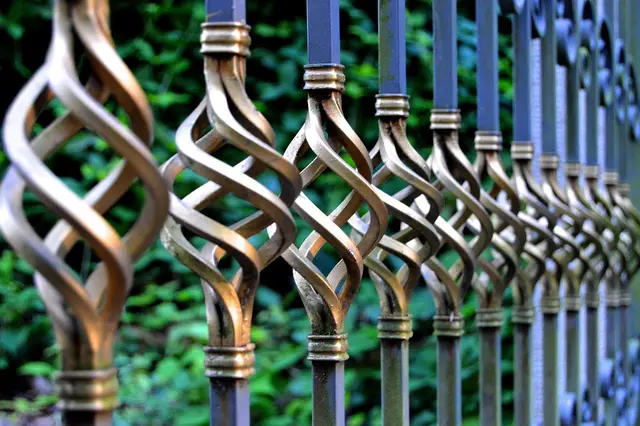
Rural and farm fencing contractor
Build and repair post-and-wire, electric and stock-proof fences for farms and rural properties.
- A$15k-70k
- Full-time
- Out and about
Stone cutting workshop for benchtops and features
Cut and finish natural stone benchtops, vanities and garden features for homeowners, builders and designers.
- A$15k-70k
- Full-time
- Own premises
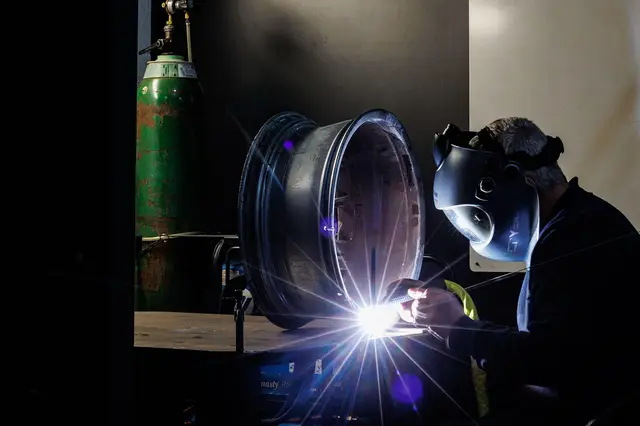
Aluminium welding workshop
Rent a small unit and take fabrication and repair jobs from builders, makers and locals.
- A$15k-75k
- Full-time
- Own premises
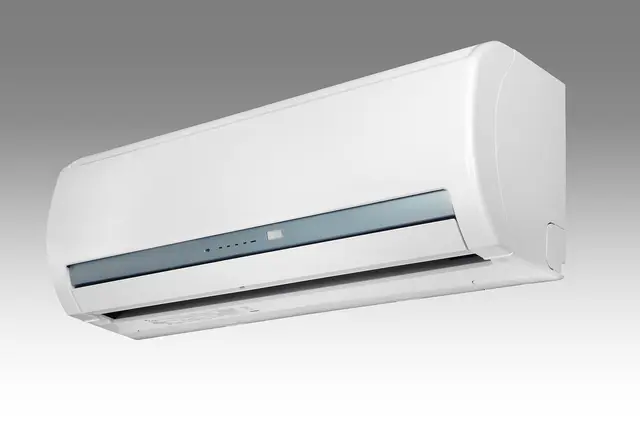
Home air conditioning install and service
Install, service and repair split systems for homeowners, working from a ute or van.
- A$15k-60k
- Full-time
- Out and about