Small scrap and second-hand buying yard
Run a small yard that pays the public and tradies for scrap and used goods, then on-sells them.
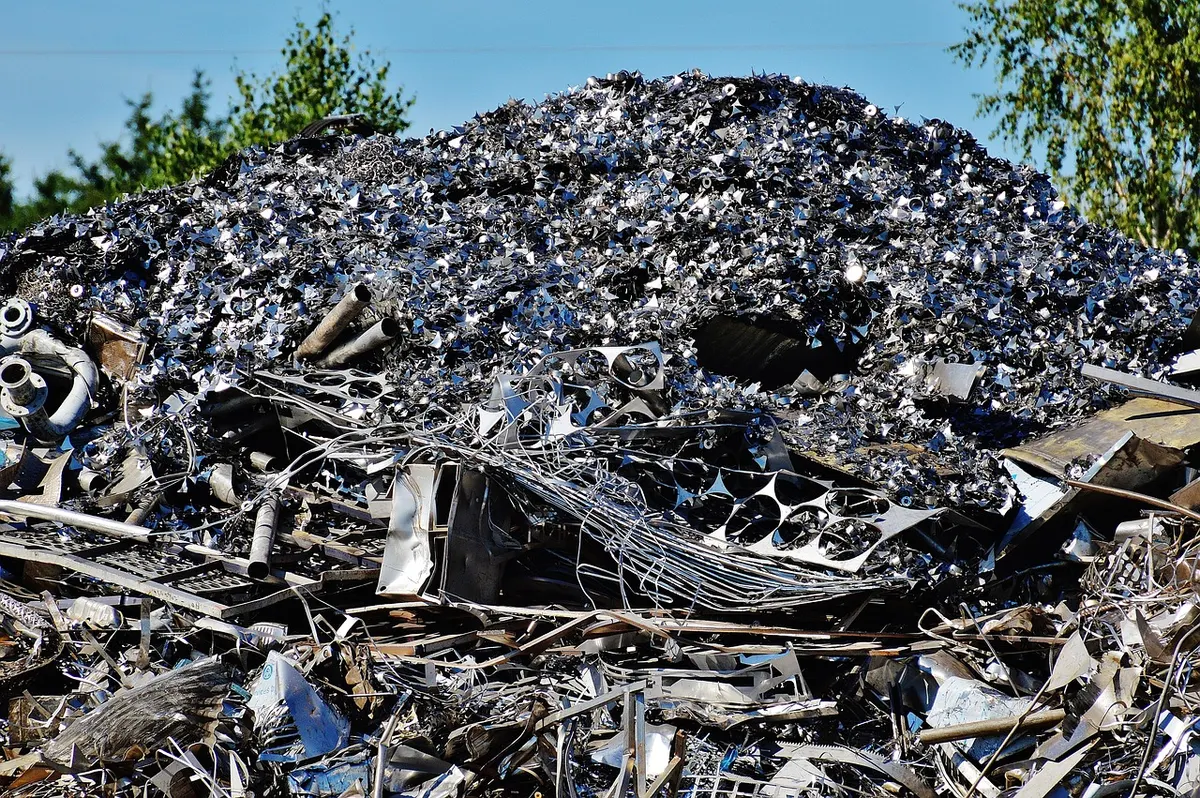
- A$30k-150k
- Full-time
- Own premises
- Licence or permit needed
Estimates for a small start in Australia, not guarantees.
What it is
A small site with scales, bins and storage where people bring scrap metal and second-hand goods to sell. You sort, store and on-sell to larger recyclers or resell usable items.
Your first three steps
- Check zoning and council approval for a yard in your area, then look at leasing a small industrial unit or yard
- Contact your state environment agency (EPA) and licensing body to find out what permits and dealer licences apply
- Price up certified scales, bins, a forklift or trolley, and secure fencing, then line up a recycler to buy your sorted loads
Who pays
Recyclers and bulk buyers pay for sorted scrap. Shoppers and trade buyers pay for usable second-hand goods. Sellers are paid when they bring items in.
How it makes money
You buy by weight or item at a lower price than you resell for, and build up loads of sorted metal to sell in bulk. Usable goods can be resold at a higher margin.
Skills that help
- Pricing and negotiating
- Identifying metals and valuable items
- Record keeping and running a site safely
Watch out for
- Check for a state dealer licence and EPA approval, which may be required for scrap or second-hand sites
- Seller ID, record keeping and payment rules, which may restrict cash payments in some states
- Public liability insurance, plus workers compensation once you hire staff
- Safe handling of hazardous items like batteries, gas bottles and fridges, and site safety rules
- Theft risk and tight margins, as metal prices change
Deep research report · Australia
Everything you need to start: small scrap and second-hand buying yard
Researched with live web search for Australia: real startup prices, the licences and rules, what others charge, a break-even example, how to find your first customers and a 30-day launch plan. With sources.
- Startup costs with real prices
- Licences, registration and rules
- Pricing: what others charge
- Break-even example
- Finding your first customers
- 30-day launch plan
- Risks and how to reduce them
Questions people ask
How much does it cost to start a scrap buying yard?
Startup costs are typically estimated at around $30,000 to $150,000, depending on your site, scales, bins, storage and insurance. Check whether a state dealer licence and EPA approval are required before you commit.
How much can a scrap and second-hand yard earn?
Monthly revenue is typically estimated at around $8,000 to $40,000, depending on volume and what you buy and on-sell. Margins can be tight because metal prices change, so revenue is not the same as profit.
What licences and rules should I check for a scrap yard?
Check for a state dealer licence and EPA approval, seller ID, record keeping and payment rules, since cash payments may be restricted in some states. Also check public liability insurance, workers compensation once you hire staff, and safe handling of hazardous items.
Other ways to run this business
Similar retail ideas
Local outdoor gear shop
Open a small shop selling hiking, camping and climbing gear, with advice from someone who uses it.
- A$40k-150k
- Full-time
- Own premises
Snowboard shop in a snow town or city
Open a small shop selling snowboards and clothing, near the snowfields or in a city where riders gear up.
- A$40k-150k
- Full-time
- Own premises

Local welding supply shop
Open a small trade counter selling welding gear, consumables and safety wear to tradies and workshops nearby.
- A$40k-150k
- Full-time
- Own premises

Local dairy and cheese shop
Run a small shop stocking fresh milk, cheese, eggs and dairy goods from local producers.
- A$40k-150k
- Full-time
- Own premises
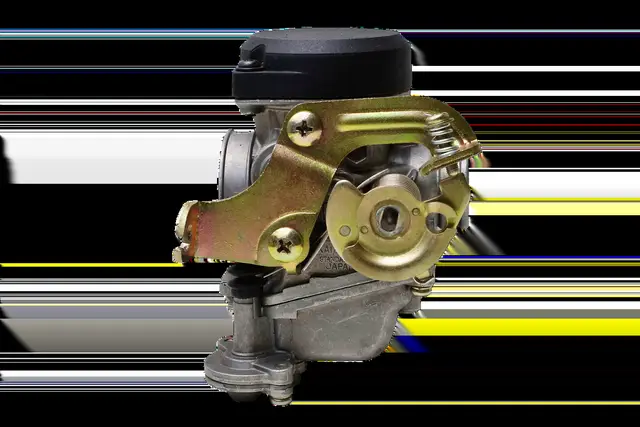
Motorcycle parts and riding gear shop
Open a local shop stocking parts, accessories and riding gear for riders and nearby workshops.
- A$40k-150k
- Full-time
- Own premises
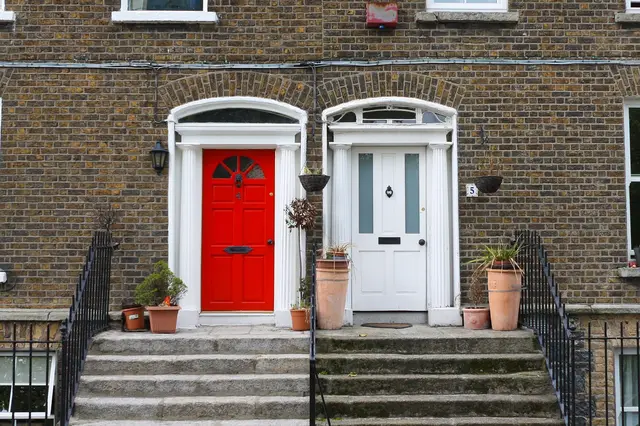
Door and hardware showroom
Open a small shop selling interior and exterior doors and fittings to local homeowners, builders and renovators.
- A$30k-150k
- Full-time
- Own premises
Photo: Alexas_Fotos on Pixabay