Second-Hand games shop
Open a small local shop buying and selling used games and consoles, with trade-ins and a gaming community.

- A$20k-80k
- Full-time
- Own premises
Estimates for a small start in Australia, not guarantees.
What it is
A small retail shop selling pre-owned games, consoles and accessories, buying trade-ins over the counter, and often doing simple console cleaning or controller repairs. Many also run an online listing alongside the shop.
Your first three steps
- Research locations near schools, universities or shopping strips, and check rents and foot traffic
- Write a simple budget covering rent, fit-out, opening stock and a few months of running costs, and talk to your bank or an accountant
- Start selling online or at markets first to build stock, a trade-in pricing sheet and a customer list before signing a lease
Who pays
Local gamers, parents, students and collectors who want to trade in games and buy at lower prices than new.
How it makes money
Margin between trade-in price and resale price, plus accessories and sometimes new items. Online sales and small repairs can add to takings.
Skills that help
- Valuing games and consoles quickly
- Customer service and building regulars
- Stock control and testing items
- Basic retail and bookkeeping
Watch out for
- Check whether your state or territory requires a second-hand dealer licence, and what ID and record-keeping rules apply to buying from the public
- Lease terms: read them closely and get advice before signing
- Public liability and contents insurance, and workers compensation once you hire staff
- Check council rules on signage and shop fit-out
- Prices of used games change quickly, so overpaying on trade-ins can eat margins
- Register for GST once turnover reaches the threshold
Deep research report · Australia
Everything you need to start: second-hand games shop
Researched with live web search for Australia: real startup prices, the licences and rules, what others charge, a break-even example, how to find your first customers and a 30-day launch plan. With sources.
- Startup costs with real prices
- Licences, registration and rules
- Pricing: what others charge
- Break-even example
- Finding your first customers
- 30-day launch plan
- Risks and how to reduce them
Questions people ask
How much does it cost to open a second-hand games shop?
Estimates suggest startup costs typically around $20,000 to $80,000, depending on the lease, fit-out, opening stock and insurance. Get advice before signing a lease, as rent is a major fixed cost.
How much revenue can a second-hand games shop make?
Monthly revenue is typically estimated at around $8,000 to $35,000, depending on location, trade-in volume, pricing and stock. Used game prices change quickly, so overpaying on trade-ins can eat into margins. These are estimates only.
What rules should I check before opening a games shop in Australia?
Check whether your state or territory requires a second-hand dealer licence and what ID and record-keeping rules apply to buying from the public, lease terms, council rules on signage and fit-out, insurance including workers compensation, and GST registration.
Other ways to run this business

Online second-hand games seller
Buy, test and resell pre-owned games and consoles online from home to gamers and collectors.
- A$800-4k
- Side hustle
- From home

Retro games market stall
Sell used games and consoles from a weekend market stall or at gaming and collector fairs.
- A$1.5k-6k
- Side hustle
- Out and about
Similar retail ideas
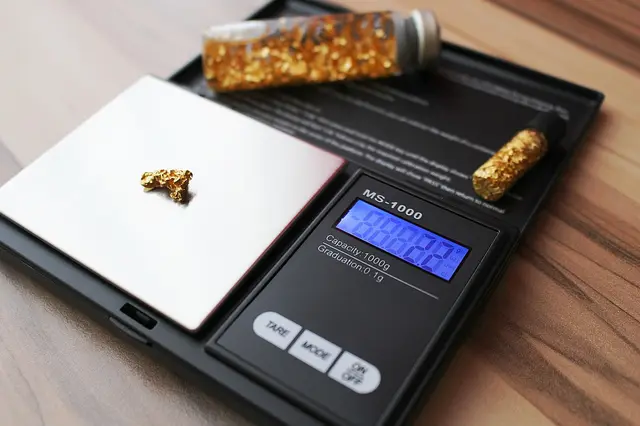
Gold and jewellery buying shopfront
Open a small secure shop where locals bring gold, silver and jewellery to be tested, weighed and bought.
- A$25k-80k
- Full-time
- Own premises
Local beauty supply shop
Open a small shop stocking hair, skin and nail products for local salons and the public.
- A$20k-80k
- Full-time
- Own premises

Local flag shop with a small shopfront
Open a small shop selling flags, poles and fittings, with advice and quick local orders.
- A$20k-80k
- Full-time
- Own premises
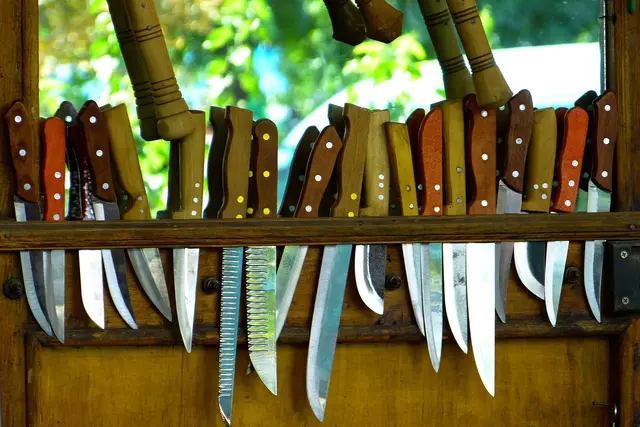
Knife shop with sharpening counter
Sell kitchen, pocket and hunting knives from a small shop and sharpen customers' knives while they wait.
- A$25k-80k
- Full-time
- Own premises
Neighbourhood stationery shop
Open a small shop selling pens, notebooks, art supplies and school and office basics to locals.
- A$25k-80k
- Full-time
- Own premises
Acrylic and plastics trade shop
Run a small unit with a cutting counter, selling acrylic sheet to sign makers, shopfitters and hobbyists.
- A$25k-80k
- Full-time
- Own premises