Second-hand music shop
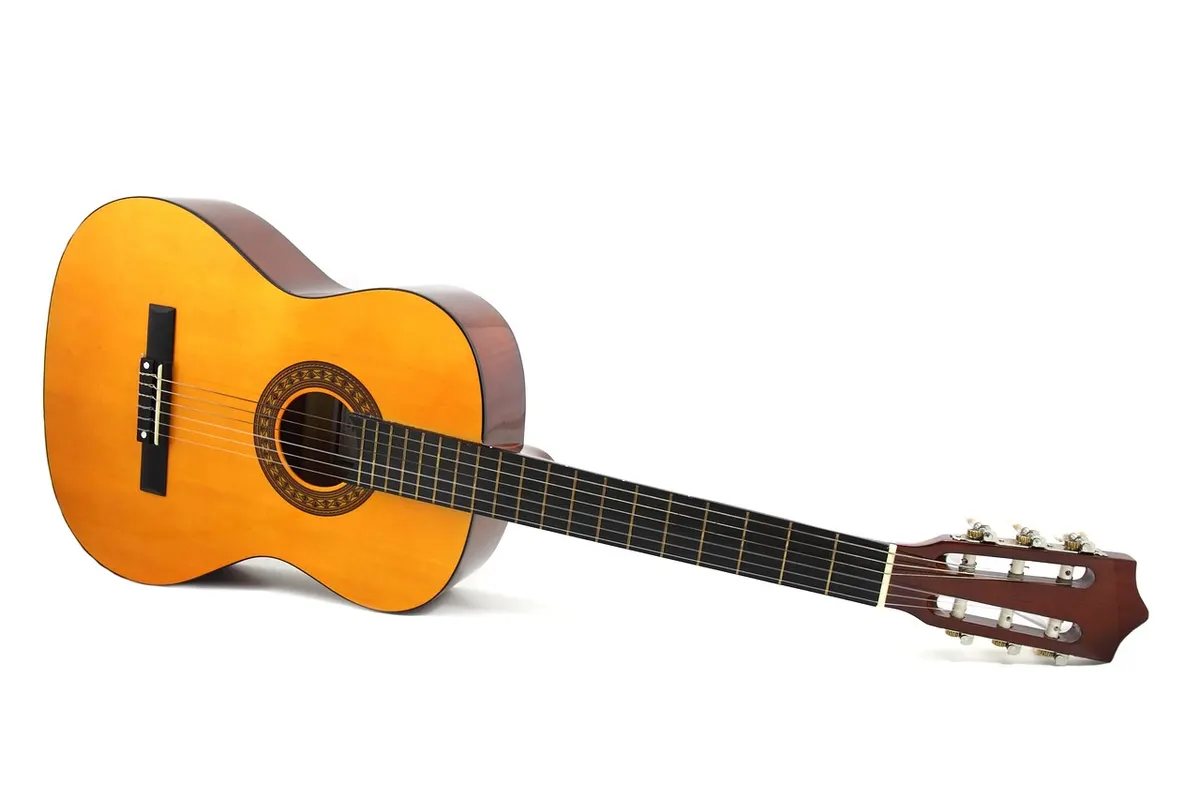
Open a small shopfront that buys, sells and part-exchanges used instruments for local players.
- A$15k-60k
- Full-time
- Own premises
- Licence or permit needed
Estimates for a small start in Australia, not guarantees.
What it is
A small retail shop where people can try, trade in and buy second-hand instruments and accessories, with a corner for basic setups like restringing.
Your first three steps
- Research local rents, nearby music shops and what the area's players and schools need
- Build a first stock of used instruments by buying from locals and advertising that you pay cash or trade-in credit
- Visit local music teachers and schools to build referrals, and set up your shop's online listings and social pages
Who pays
Local musicians, students, parents, school music programs and people trading up or clearing out old gear.
How it makes money
Margin on resold instruments, plus accessory sales, small setup or restringing fees and part-exchange deals that bring in more stock.
Skills that help
- Strong knowledge of instruments and their value
- Customer service and negotiation
- Basic repairs and setups
- Stock and cash management
Watch out for
- Commercial lease terms and council zoning or signage approval, so check with your local council
- Check state second-hand dealer rules, which may include licensing and record keeping
- Stolen goods risk: keep clear records of sellers and ID
- Public liability, contents and theft insurance, and workers compensation once you hire
- Register for an ABN, and check when GST registration applies
- Slow-moving stock and rent can strain cash flow, so budget for quiet months
🔒 Full research report for Australia
Real cost breakdown with current prices, licences and registration checklist, local competition, pricing, break-even and a 30-day launch plan, with sources.
Coming soonQuestions people ask
How much does it cost to open a second-hand music shop?
Estimates suggest startup costs are typically around $15,000 to $60,000, depending on your opening stock, lease deposit, fit-out and insurance. Slow-moving stock and rent can strain cash flow, so budget for quiet months.
How much can a second-hand music shop earn?
Monthly revenue is typically estimated at around $6,000 to $30,000, depending on your location, stock quality and trade-in volume. That is revenue before rent and stock costs. Expect to work at least 35 hours a week.
What rules should I check before opening a second-hand music shop?
Check your commercial lease terms, council zoning and signage approval, and your state's second-hand dealer rules, which may include licensing and record keeping. Keep clear seller records and ID, and check insurance, ABN and GST registration.
Other ways to run this business
Similar retail ideas
Local handmade gift and craft shop
Open a small shop stocking handmade items from local artisans for gift buyers and shoppers in your town.
- A$15k-60k
- Full-time
- Own premises
Kimono boutique with a small shopfront
Open a small shop where customers can try on, learn about and buy kimono and traditional Japanese clothing.
- A$15k-60k
- Full-time
- Own premises
Second-hand appliance shop with workshop
Run a small shopfront selling tested, refurbished appliances with a workshop out the back.
- A$15k-60k
- Full-time
- Own premises
Bangle and jewellery shop
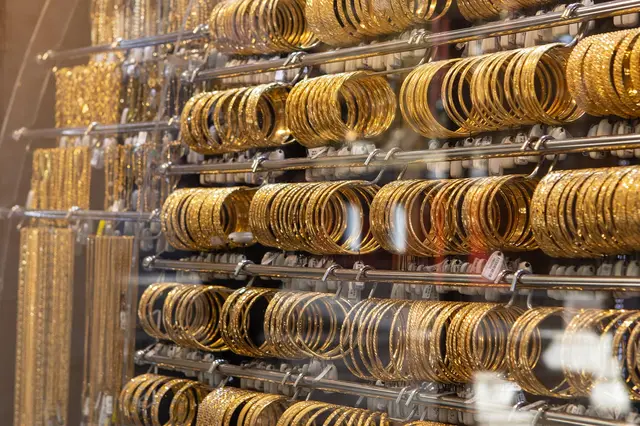
Open a small shop selling bangles and festive jewellery to wedding and gift shoppers.
- A$15k-60k
- Full-time
- Own premises
Gift wrap and packaging shop
Open a small local shop for wrapping paper, ribbons and gift packaging, with an in-store wrapping service.
- A$15k-60k
- Part-time
- Own premises
Second-hand bookshop with a shopfront
Open a small shop selling pre-owned books, buying stock from locals and building a loyal readership.
- A$15k-60k
- Full-time
- Own premises
Photo: PublicDomainPictures on Pixabay