Second-hand shop on your local high street
Open a small shop selling pre-loved clothes, homewares or furniture to bargain hunters and people who like unique finds.
- A$8k-40k
- Full-time
- Own premises
- Licence or permit needed
Estimates for a small start in Australia, not guarantees.
What it is
A small shopfront selling pre-owned goods such as clothing, furniture, books, toys or homewares. You buy or collect stock cheaply, tidy it up, price it and sell it in store.
Your first three steps
- Visit local op shops, markets and second-hand stores to see what sells, at what price, and what gaps exist in your area
- Line up stock sources such as house clearances, garage sales, auctions and public donations, and test your pricing by selling a first batch online
- Get an ABN, then price a small shop lease in a suburb with good foot traffic and check whether a retail lease is needed
Who pays
Bargain hunters, students, young families, renters furnishing a first home and shoppers who prefer pre-loved items.
How it makes money
You sell items for more than you paid for them. Some shops also take items on consignment and keep a share of the sale price.
Skills that help
- Spotting items that will sell
- Pricing and bargaining
- Merchandising and display
- Basic bookkeeping
Watch out for
- Rules for second-hand dealers differ by state and territory, so check with your state's fair trading office whether you need a licence or must keep a records register
- Check your council's rules on signage, trading hours and the shop's permitted use before signing a lease
- Secondhand electrical goods, children's items and cots may have safety rules, so check what you can legally sell
- Public liability insurance, plus cover for your stock
- Lease commitments are a real risk if sales are slow, so read terms carefully and get advice before signing
- Be careful about stolen goods, and ask for proof of ownership where required
🔒 Full research report for Australia
Real cost breakdown with current prices, licences and registration checklist, local competition, pricing, break-even and a 30-day launch plan, with sources.
Coming soonQuestions people ask
How much does it cost to open a second-hand shop in Australia?
Startup costs are typically around $8,000 to $40,000, depending on your shop size, fit-out, lease and opening stock. Treat this as an estimate and read lease terms carefully before signing.
Do I need a licence to run a second-hand shop?
Rules for second-hand dealers differ by state and territory, so check with your state's fair trading office about licences or records registers. Also check council rules, safety rules for electrical and children's items, and insurance.
How much revenue can a second-hand shop make?
Monthly revenue is typically around $4,000 to $20,000, depending on location, stock quality and pricing. This is an estimate of sales, not profit. Lease commitments are a real risk if sales are slow.
Other ways to run this business
Online second-hand reselling from home
Find pre-loved items cheaply, then sell them through online marketplaces and your own social pages from home.
- A$200-1.5k
- Side hustle
- Online
Second-hand market stall
Sell pre-loved goods at weekend markets and swap meets without the cost of a shop lease.
- A$500-3k
- Side hustle
- Out and about
Similar retail ideas
Clothing wholesaler for local boutiques and markets
Buy clothing in bulk and sell it on to independent shops, market stallholders and online sellers.
- A$8k-40k
- Part-time
- Own premises
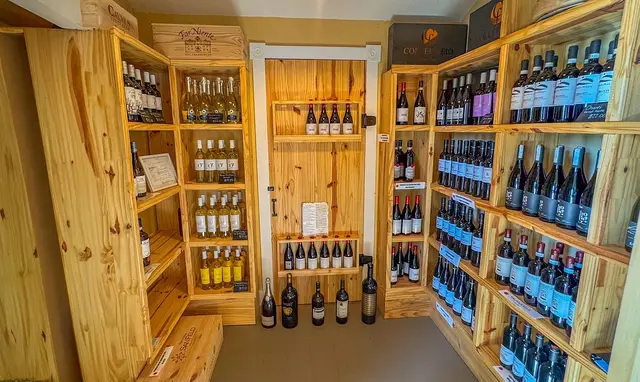
Online wine store with local delivery
Sell curated wines through your own website, with a small stock and delivery to customers' doors.
- A$8k-40k
- Side hustle
- Online
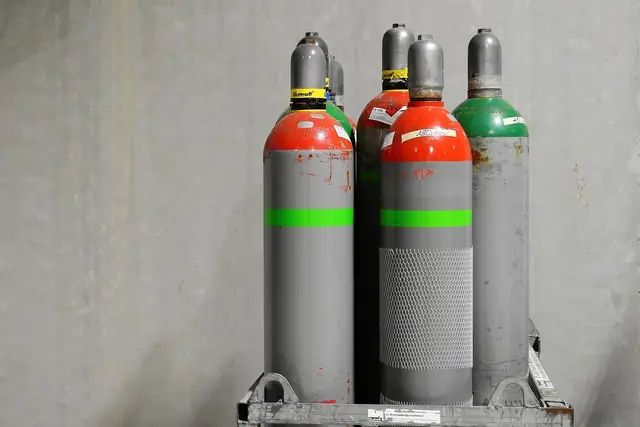
Gas bottle delivery service
Deliver and swap LPG bottles for homes, caravan parks and small businesses from a ute or van, without a full shop.
- A$8k-40k
- Part-time
- Out and about
Premium beauty vending in shopping centres
Run a few stylish machines selling premium beauty items in shopping centres, airports and hotels.
- A$10k-40k
- Part-time
- Out and about
Van-based wholesale supplier to local shops
Buy everyday groceries and household goods in bulk and deliver them to corner shops, cafes and kiosks on a regular round.
- A$8k-40k
- Part-time
- Out and about
Sheepskin and wool trade supplier with a unit
Hold a wider range of sheepskin and wool goods in a small unit and supply shops, designers and online sellers.
- A$10k-40k
- Part-time
- Own premises