Small self-storage units in a leased shed
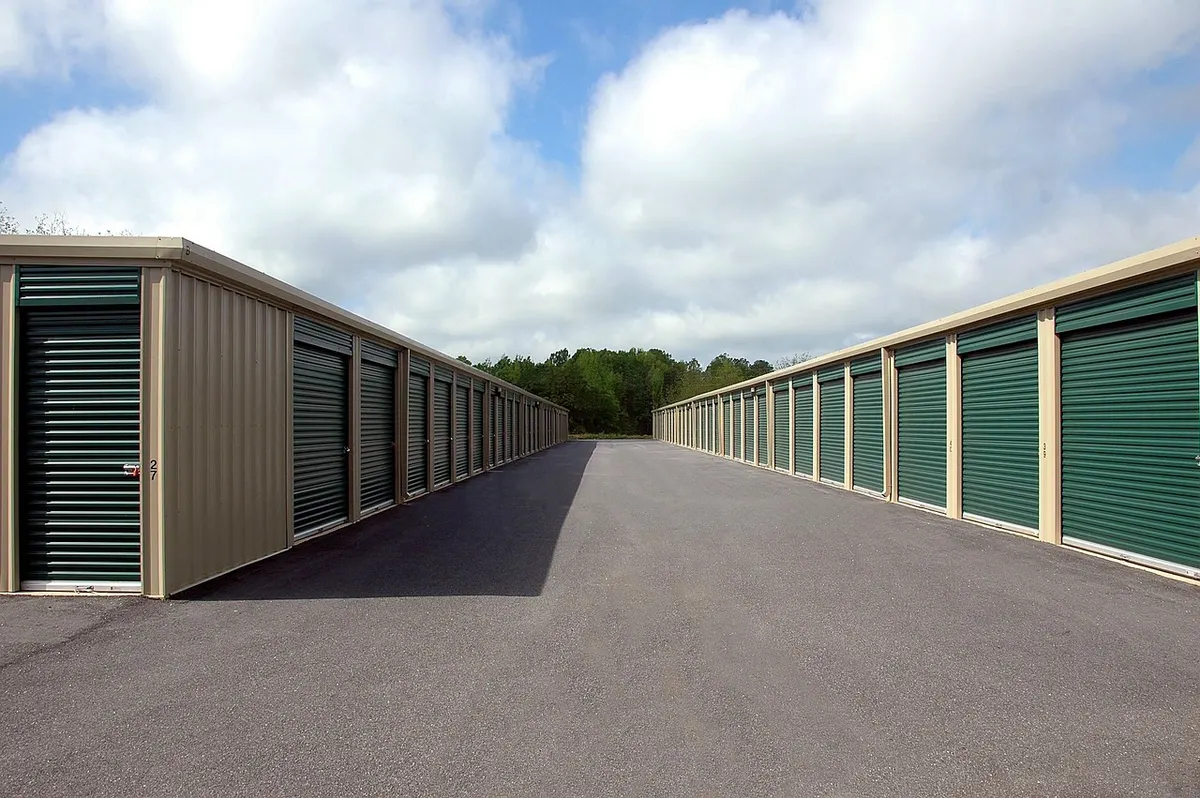
Fit out an industrial shed or warehouse with lockable units and rent them monthly.
- A$40k-200k
- Part-time
- Own premises
Estimates for a small start in Australia, not guarantees.
What it is
A small indoor storage facility made by leasing or buying an existing shed or industrial unit and dividing it into lockable units of different sizes, with access control and cameras.
Your first three steps
- Look at industrial units and sheds for lease in your area and compare rent per square metre with what storage units earn locally
- Check with the council that storage use is allowed in the building, and ask about fire safety and building requirements for a fit-out
- Get quotes for partitioning, roller doors, lighting, cameras and a basic online booking and payment system
Who pays
Households downsizing or renovating, renters, students, online sellers and small businesses that need dry, secure space for stock or tools.
How it makes money
Monthly rent per unit, with larger units priced higher. Extra income can come from selling boxes and locks, and from insurance referrals if you are authorised to offer them.
Skills that help
- Customer service
- Sales and local marketing
- Organising and record keeping
- Managing a lease and budget
Watch out for
- Council approval for change of use, and building and fire safety rules, which vary by state and council
- Lease terms, since your costs are fixed whether or not units are rented out
- Public liability and property insurance, and clear terms about customers insuring their own goods
- Filling units takes time, so keep enough cash to cover the lease for the first few months
🔒 Full research report for Australia
Real cost breakdown with current prices, licences and registration checklist, local competition, pricing, break-even and a 30-day launch plan, with sources.
Coming soonQuestions people ask
How much does it cost to start a self-storage business in Australia?
Startup costs are typically around $40,000 to $200,000, depending on the shed or industrial unit, the fit-out, the number of lockable units and the access control and cameras. These are estimates, so get quotes for your own site.
How much can small self-storage units earn?
Estimated monthly revenue is typically around $3,000 to $15,000, depending on the size of the facility and how many units are rented. Filling units takes time, and lease costs are fixed, so keep cash to cover the first few months.
What rules should I check before opening self-storage units?
Check council approval for change of use, and building and fire safety rules, which vary by state and council. Also check your lease terms, public liability and property insurance, and clear terms about customers insuring their own goods.
Other ways to run this business
Similar business services ideas

Trade wine storage for merchants and restaurants
Offer cool, secure pallet storage to small wine merchants, restaurants and producers who lack space or a proper cellar.
- A$40k-200k
- Full-time
- Own premises
Appliance wholesaler with a small warehouse
Buy appliances in bulk, store them in a small unit and supply independent retailers and trade buyers from stock.
- A$40k-150k
- Full-time
- Own premises
Local insurance brokerage with a small office
Open a small shopfront or office brokerage with a few staff, serving local households and businesses face to face.
- A$60k-250k
- Full-time
- Own premises
Small scrap metal buying yard
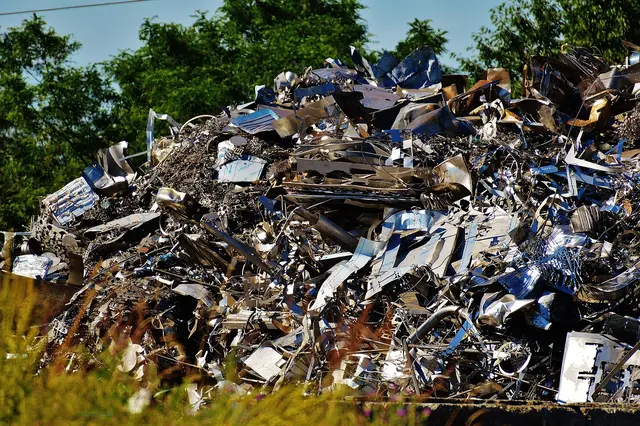
Run a small yard where tradies and the public sell scrap, then on-sell sorted metal in bulk.
- A$30k-150k
- Full-time
- Own premises
Full-time coffee vending route
Run a bigger route of bean-to-cup machines across offices, venues and sites, with a van and supplier deals.
- A$80k-250k
- Full-time
- Out and about
Wholesale importer with a small warehouse
Import container loads of a product range and supply retailers and trade buyers from a rented storage unit.
- A$30k-150k
- Full-time
- Own premises
Photo: paulbr75 on Pixabay