Local solar trade supplier for installers
Stock panels, inverters and mounting kits from a small unit so local solar installers can pick up or get next-day delivery.

- A$40k-200k
- Full-time
- Own premises
Estimates for a small start in Australia, not guarantees.
What it is
A small trade supply business with a unit or warehouse holding popular solar panels, inverters, batteries and mounting hardware. It focuses on local installers and electricians who need parts quickly, with some sales to homeowners.
Your first three steps
- Talk to local installers about what they struggle to get quickly and which brands they use
- Approach distributors and manufacturers about supplier terms and minimum orders
- Find a suitable unit, check council zoning for storage and trade counter use, and plan a starting range of products
Who pays
Solar installers, electricians, builders and some homeowners and small businesses.
How it makes money
You buy in volume from distributors and manufacturers and sell at a margin, with trade accounts, delivery fees and bundled packages for common system sizes.
Skills that help
- Knowledge of solar products and compatibility
- Stock control and supplier negotiation
- Building relationships with tradies
Watch out for
- Check which products are on the Clean Energy Council approved lists, as installers usually need this for eligible systems
- Stock is a big upfront cost and prices can change quickly, so avoid over-buying
- Check public liability, product liability and stock insurance, plus workers compensation once you hire
- Check warranty handling with suppliers and manufacturers, and your obligations under Australian Consumer Law
- Storing batteries and heavy panels may have safety and council requirements, so check locally
Deep research report · Australia
Everything you need to start: local solar trade supplier for installers
Researched with live web search for Australia: real startup prices, the licences and rules, what others charge, a break-even example, how to find your first customers and a 30-day launch plan. With sources.
- Startup costs with real prices
- Licences, registration and rules
- Pricing: what others charge
- Break-even example
- Finding your first customers
- 30-day launch plan
- Risks and how to reduce them
Questions people ask
How much does it cost to start a solar trade supply business?
Startup costs are typically around $40,000 to $200,000, depending on your unit or warehouse, the range you carry and how much stock you buy upfront. Stock is the big cost and prices can change quickly, so avoid over-buying.
How much revenue can a local solar trade supplier make?
Monthly revenue is typically around $15,000 to $75,000, depending on how many local installers and electricians you supply and your stock range. That is revenue, not profit. Running a trade counter typically takes at least 35 hours a week.
What should I check before supplying solar equipment to installers?
Check which products are on the Clean Energy Council approved lists, as installers usually need this for eligible systems. Also check public liability, product liability and stock insurance, warranty handling with suppliers, Australian Consumer Law, and safety and council requirements for storing batteries and heavy panels.
Other ways to run this business

Similar trades ideas
Marble and stone workshop: cut and install
Run a small workshop that cuts natural stone to order, then installs it for homes and commercial clients.
- A$40k-200k
- Full-time
- Own premises
Small timber framing yard
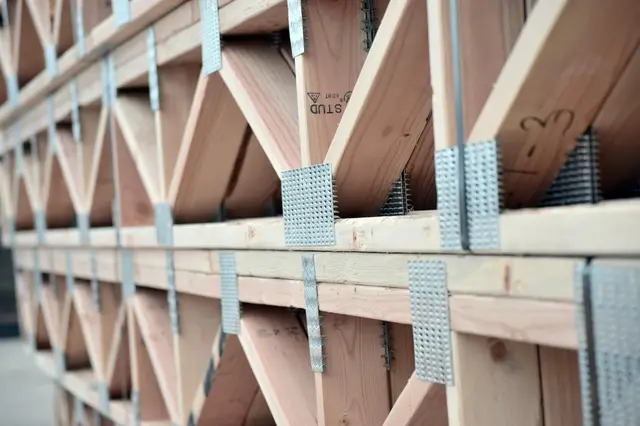
Run a small yard stocking framing timber, cut to length for local builders, joiners and self-builders.
- A$40k-200k
- Full-time
- Own premises
Septic pump-out truck service
Empty septic tanks for rural homes and businesses with your own vacuum truck.
- A$60k-200k
- Full-time
- Out and about

Plastering supplies trade counter
Run a small trade yard stocking plasterboard, compounds and plastering tools for local tradies.
- A$60k-200k
- Full-time
- Own premises
Small trade yard for cement and building supplies
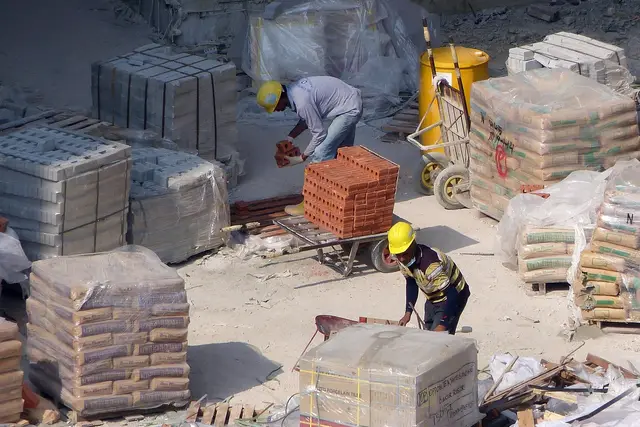
Run a small yard or unit selling cement and building basics over the counter, with local delivery on top.
- A$40k-200k
- Full-time
- Own premises
Mobile forklift service and hire
Service forklifts on site from a van and rent out a few machines to local businesses that need short-term cover.
- A$45k-180k
- Part-time
- Out and about
Photo: andreas160578 on Pixabay