Hands-on Cabling and Fibre Workshops
Run short practical courses in cabling and fibre skills for new tradies and employers' staff.

- A$6k-30k
- Part-time
- Own premises
Estimates for a small start in Australia, not guarantees.
What it is
A small training business running practical short courses in a hired or leased training room. Topics could include structured cabling, fibre termination and splicing, and network basics. You start with non-accredited courses, then decide later whether to partner with an accredited provider.
Your first three steps
- Pick one or two course topics and talk to local contractors about what training they would pay for
- Price out a hired training room, a used splicer and a set of cabling practice boards, then work out a per-student price
- Run a pilot course for a small group, collect feedback and testimonials, and set up an ABN and insurance
Who pays
Apprentices and career-changers paying for themselves, plus electrical, data and telecoms contractors sending staff for upskilling.
How it makes money
Per-student course fees for small groups, plus fixed-price group bookings from employers. Extra income can come from tool packs, assessment practice days or refresher sessions.
Skills that help
- Hands-on telecoms or data cabling experience
- Clear teaching and demonstrating
- Organising small groups and equipment
Watch out for
- Only registered training organisations can issue nationally recognised qualifications, so check with ASQA before using terms like 'accredited' or 'certified'
- Check what training cablers need under ACMA cabling provider rules, so you don't promise a registration your course doesn't deliver
- Public liability and professional indemnity insurance, as students handle tools and equipment
- Safety around fibre offcuts, lasers and working at height, so write clear safety briefings
- Equipment is costly and goes out of date, so start with what you really need
🔒 Full research report for Australia
Real cost breakdown with current prices, licences and registration checklist, local competition, pricing, break-even and a 30-day launch plan, with sources.
Coming soonQuestions people ask
How much does it cost to start a cabling and fibre training business?
Startup costs are typically around $6,000 to $30,000, depending on the equipment you buy and the training room you hire or lease. Equipment is costly and goes out of date, so start with what you really need.
Can I issue qualifications from a cabling and fibre workshop in Australia?
Only registered training organisations can issue nationally recognised qualifications, so check with ASQA before using terms like 'accredited' or 'certified'. Also check what training cablers need under ACMA cabling provider rules, so you do not promise a registration your course does not deliver.
How much can hands-on cabling and fibre workshops earn?
Monthly revenue is typically around $2,000 to $10,000, depending on how many courses you run, group sizes and whether employers send staff. Check your insurance and write clear safety briefings for fibre offcuts, lasers and working at height.
Other ways to run this business
Similar teaching and tutoring ideas
Beginner woodworking classes in a small workshop
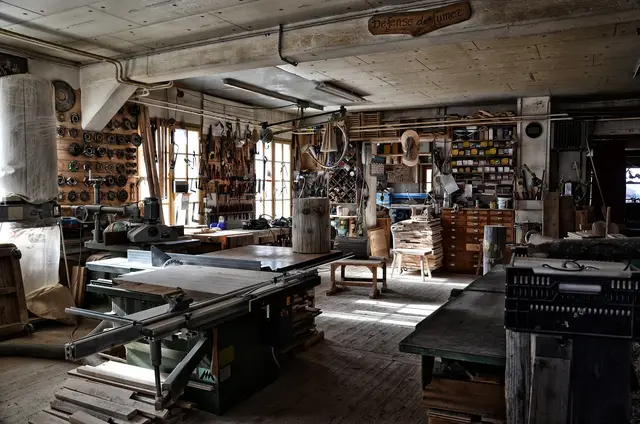
Run evening and weekend woodworking classes for beginners from a rented unit or shared workshop.
- A$8k-30k
- Part-time
- Own premises

Local study and tuition centre
Rent a small shopfront and run after-school tuition and supervised study sessions for local students.
- A$8k-30k
- Part-time
- Own premises
Small accounting classroom and workshop centre
Run evening and weekend accounting classes in a small rented room, plus short courses for local employers.
- A$6k-30k
- Part-time
- Own premises
Small local language school
Rent a small room and run weekly language classes for adults, kids and local businesses.
- A$5k-25k
- Part-time
- Own premises

Mobile farm animal visits for kids
Bring a small group of friendly farm animals to schools, parties and events for hands-on learning.
- A$5k-25k
- Side hustle
- Out and about

Local tutoring centre
Rent a small space and run after-school tutoring for primary and high school students.
- A$5k-25k
- Part-time
- Own premises