Beginner Woodworking Classes in a Small Workshop
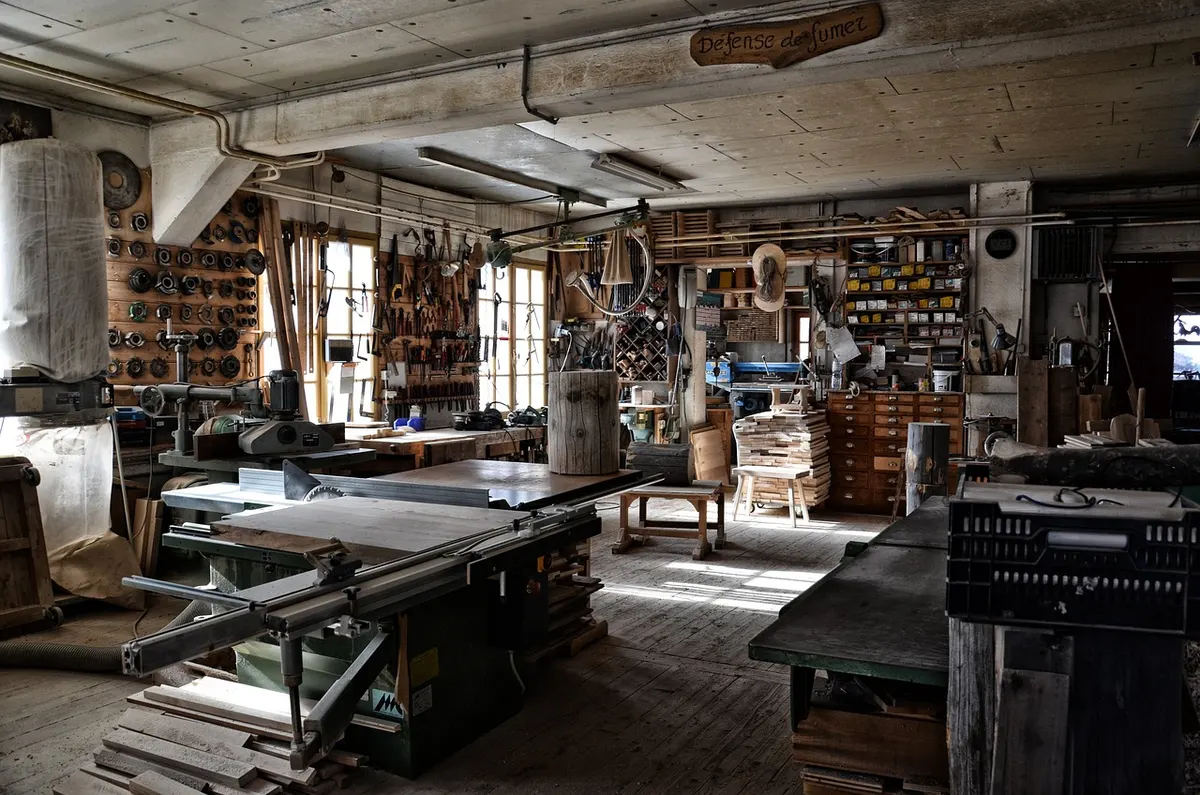
Run evening and weekend woodworking classes for beginners from a rented unit or shared workshop.
- A$8k-30k
- Part-time
- Own premises
Estimates for a small start in Australia, not guarantees.
What it is
Small group classes where beginners learn to use hand tools and basic machines, and take home a finished project such as a chopping board, stool or small shelf.
Your first three steps
- Design two or three simple beginner projects and work out the materials cost and time for each
- Find a unit, shared workshop or makerspace you can use and price out the tools and benches needed for 4 to 6 students
- Run a trial class for friends at a reduced price and collect photos and feedback for your website and socials
Who pays
Hobbyists, couples and friends looking for a night out, parents, gifts buyers and people new to making things.
How it makes money
Fee per person for a single session or a multi-week course, plus a materials charge and optional gift vouchers.
Skills that help
- Solid woodworking ability
- Clear, patient teaching
- Safe workshop habits
Watch out for
- Public liability insurance that covers teaching and students using tools
- Council zoning and lease terms for running classes from an industrial unit, check with your local council
- Machine guarding, dust extraction and safety briefings, check your state's workplace health and safety regulator
- Whether you need a working with children check if you offer classes for under 18s, check your state rules
🔒 Full research report for Australia
Real cost breakdown with current prices, licences and registration checklist, local competition, pricing, break-even and a 30-day launch plan, with sources.
Coming soonQuestions people ask
How much does it cost to start woodworking classes?
Startup costs are typically around $8,000 to $30,000, depending on the workshop space, the tools and machines you buy, and how many students you plan to teach at once.
How much can a woodworking class business earn?
Monthly revenue is typically around $1,500 to $7,000, depending on how many classes you run, class sizes and your pricing. Evening and weekend sessions are the usual pattern.
What rules should I check before teaching woodworking classes?
Check public liability insurance that covers teaching and students using tools, and council zoning and lease terms for classes in an industrial unit. Also check machine guarding, dust extraction and safety briefings with your state's workplace health and safety regulator, and working with children check rules for under 18s.
Other ways to run this business
Similar teaching and tutoring ideas

Hands-on cabling and fibre workshops
Run short practical courses in cabling and fibre skills for new tradies and employers' staff.
- A$6k-30k
- Part-time
- Own premises

Local study and tuition centre
Rent a small shopfront and run after-school tuition and supervised study sessions for local students.
- A$8k-30k
- Part-time
- Own premises
Small accounting classroom and workshop centre
Run evening and weekend accounting classes in a small rented room, plus short courses for local employers.
- A$6k-30k
- Part-time
- Own premises
Small local language school
Rent a small room and run weekly language classes for adults, kids and local businesses.
- A$5k-25k
- Part-time
- Own premises

Mobile farm animal visits for kids
Bring a small group of friendly farm animals to schools, parties and events for hands-on learning.
- A$5k-25k
- Side hustle
- Out and about

Local tutoring centre
Rent a small space and run after-school tutoring for primary and high school students.
- A$5k-25k
- Part-time
- Own premises
Photo: ThMilherou on Pixabay