Boutique vineyard with your own wine label
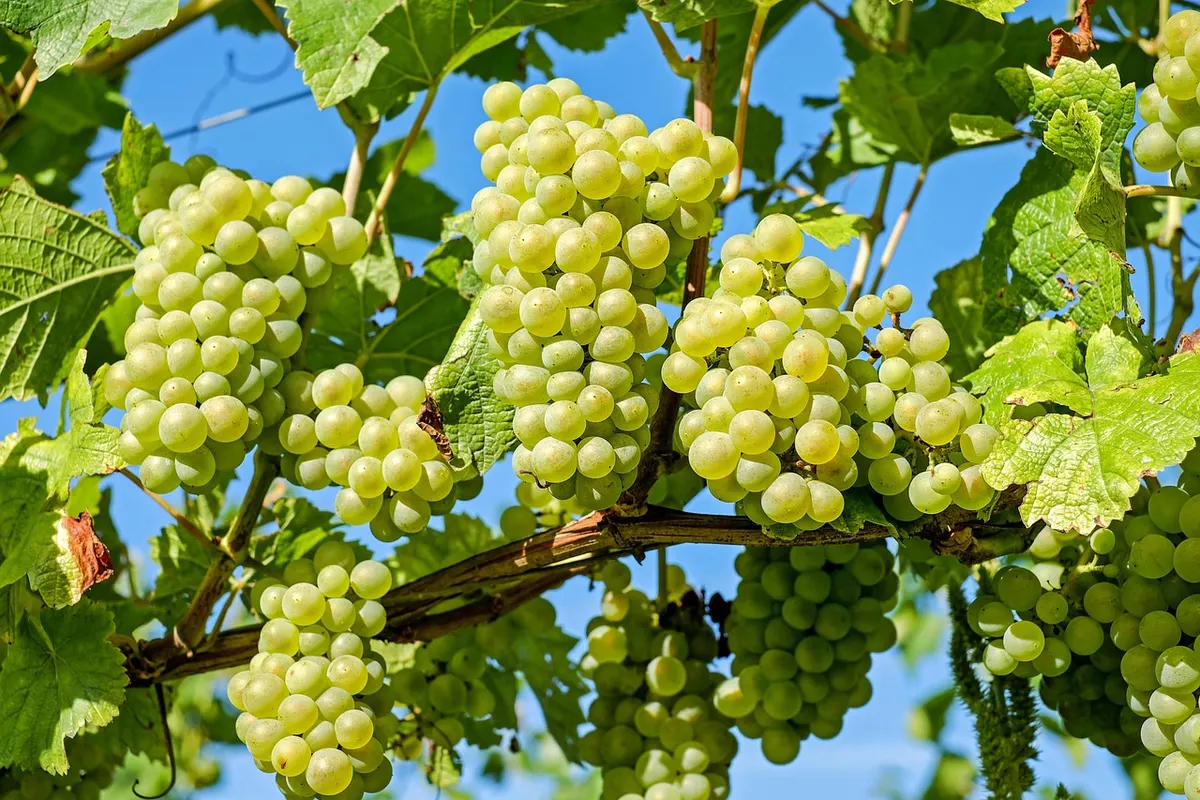
Grow grapes, have them made into wine by a contract winemaker, and sell under your own label.
- A$80k-400k
- Full-time
- Own premises
- Licence or permit needed
Estimates for a small start in Australia, not guarantees.
What it is
A small vineyard where you grow the fruit and use a contract winemaker to turn it into bottled wine under your own brand. You then sell it direct and through other outlets, with the option of a small cellar door.
Your first three steps
- Visit contract winemakers and ask about minimum volumes, costs and timelines
- Develop a simple brand and a small range of wines, and test interest at local markets and with local venues
- Speak to your local council about planning rules for a cellar door or onsite sales
Who pays
Wine lovers buying online, at the cellar door or at markets, plus local restaurants, bottle shops and visitors to the region.
How it makes money
You sell bottles at a retail price, or through wine club subscriptions and cases. You can also sell surplus grapes to other wineries.
Skills that help
- Vineyard or farming knowledge
- Branding and storytelling
- Selling direct to customers
- Managing cash flow across a long production cycle
Watch out for
- Land costs are not included in the startup estimate
- Selling alcohol usually needs a liquor licence or producer licence, so check your state or territory liquor authority
- Check how the Wine Equalisation Tax (WET) and any producer rebate apply to you with the ATO
- Wine labelling and food standards rules, so check with Wine Australia and Food Standards Australia New Zealand
- Check council planning rules for cellar doors, signage and events
- Cash is tied up in stock for a long time before it sells, and public liability and product liability insurance are worth checking
Deep research report · Australia
Everything you need to start: boutique vineyard with your own wine label
Researched with live web search for Australia: real startup prices, the licences and rules, what others charge, a break-even example, how to find your first customers and a 30-day launch plan. With sources.
- Startup costs with real prices
- Licences, registration and rules
- Pricing: what others charge
- Break-even example
- Finding your first customers
- 30-day launch plan
- Risks and how to reduce them
Questions people ask
How much does it cost to start a boutique vineyard with your own label?
Startup costs are typically around $80,000 to $400,000, depending on vineyard size, equipment and whether you add a cellar door. Land costs are not included in this estimate, so budget for that separately.
How much can an own-label vineyard earn?
Monthly revenue is typically around $3,000 to $15,000, depending on volume, pricing and whether you sell online, at the cellar door or through other outlets. Cash is tied up in stock for a long time before it sells.
What licences and rules should I check before selling my own wine?
Selling alcohol usually needs a liquor or producer licence, so check your state or territory liquor authority. Also check how Wine Equalisation Tax and any producer rebate apply with the ATO, labelling rules with Wine Australia and FSANZ, and council planning rules for cellar doors.
Other ways to run this business

Similar farming and garden ideas
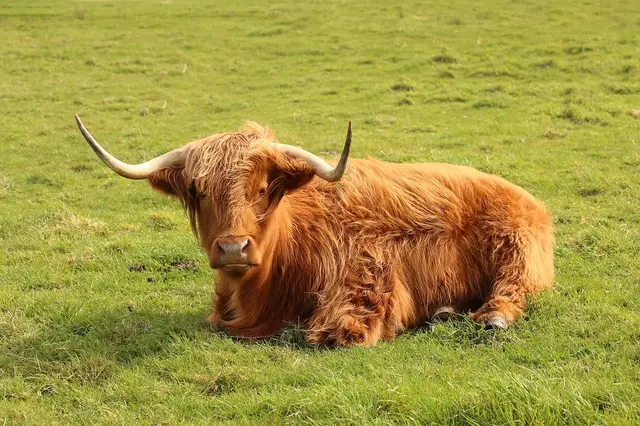
Beef breeding herd, full-time
Run breeding cows on leased or owned land and sell weaners or breeding stock to feedlots, dealers and other farmers.
- A$80k-400k
- Full-time
- Own premises
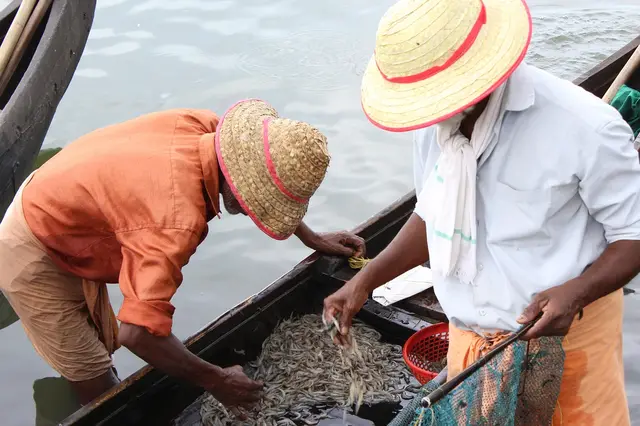
Small-boat prawn fisher
Run your own licensed boat in an estuary or inshore prawn fishery and sell the catch to merchants, markets and restaurants.
- A$80k-400k
- Full-time
- Out and about
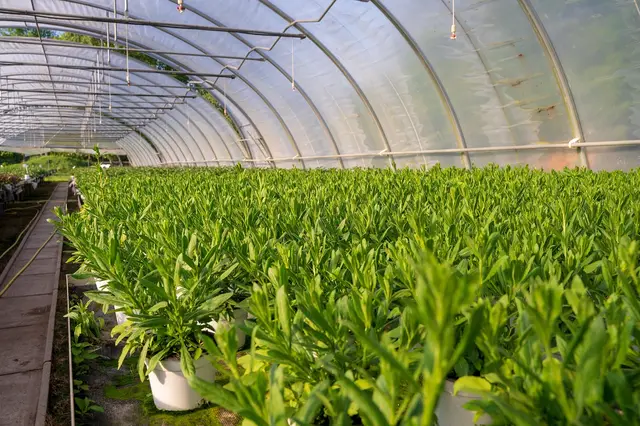
Full-time wholesale nursery with shadehouses
Run a leased or owned growing site with shadehouses and supply plants in volume to garden centres and landscapers.
- A$100k-350k
- Full-time
- Own premises
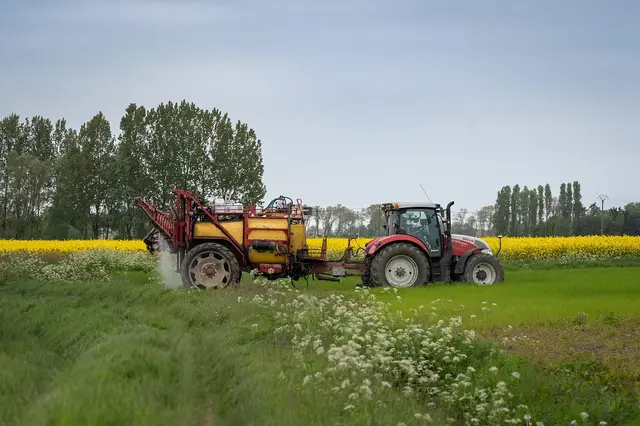
Rural farm equipment shop and yard
Open a small shop or yard in a farming town selling machinery, tools and parts, with delivery and after-sales help.
- A$80k-300k
- Full-time
- Own premises
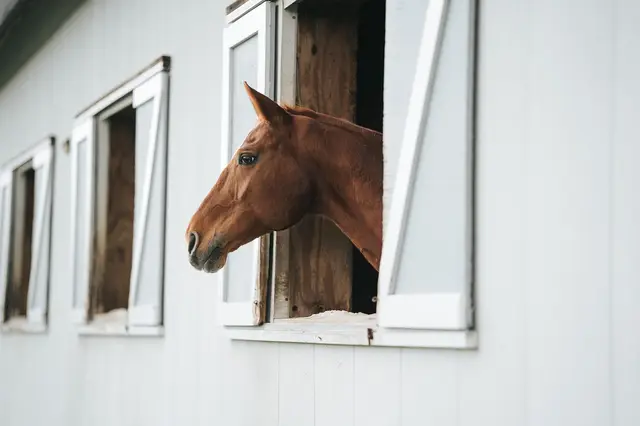
Full-care livery stable
Run a small boarding stable with stalls, daily feeding and care, and riding facilities for owners.
- A$100k-500k
- Full-time
- Own premises

Grain cropping on leased or share-farmed land
Crop a paddock owned by someone else under a lease or share deal, hiring contractors instead of buying big machinery.
- A$80k-300k
- Part-time
- Own premises
Photo: Couleur on Pixabay