Grain cropping on leased or share-farmed land
Crop a paddock owned by someone else under a lease or share deal, hiring contractors instead of buying big machinery.

- A$80k-300k
- Part-time
- Own premises
Estimates for a small start in Australia, not guarantees.
What it is
Growing cereals, canola or pulses on land you lease or share farm with a landowner. You pay contractors for sowing, spraying and harvesting rather than buying large machinery.
Your first three steps
- Talk to local farmers, an agronomist and a rural adviser about leasing or share farming options in your region
- Build a full crop budget with realistic yield and price scenarios, and get a rural finance adviser to check it
- Line up contractors and a grain marketer or merchant before you agree a lease
Who pays
Grain merchants, grain handlers and marketers, and feed or food processors who buy your harvest.
How it makes money
You sell the grain at harvest or store it and sell later. Your return is sales minus lease or landowner share, seed, fertiliser, chemicals and contractor costs.
Skills that help
- Understanding crop agronomy
- Budgeting and managing risk
- Managing contractors
- Grain marketing
Watch out for
- Get the lease or share farming agreement checked by a solicitor with rural experience
- Drought, frost and price swings can cause a loss, so only risk money you can afford
- Chemical user training or permits for spraying, which vary by state
- Crop and public liability insurance, and workers compensation if you hire
- Startup money is mostly working capital for lease payments, seed, fertiliser, chemicals and contractors, which you must fund months before harvest. Costs rise with the area you crop, so check what lenders will accept for a new operator
- Check marketing, storage and delivery terms with your grain buyer
Deep research report · Australia
Everything you need to start: grain cropping on leased or share-farmed land
Researched with live web search for Australia: real startup prices, the licences and rules, what others charge, a break-even example, how to find your first customers and a 30-day launch plan. With sources.
- Startup costs with real prices
- Licences, registration and rules
- Pricing: what others charge
- Break-even example
- Finding your first customers
- 30-day launch plan
- Risks and how to reduce them
Questions people ask
How much money do I need to start grain cropping on leased land?
Startup costs are estimated at typically around $80,000 to $300,000, depending on the area you crop. Most of this is working capital for lease payments, seed, fertiliser, chemicals and contractors, paid months before harvest.
How much can a share-farming grain cropper earn?
Estimates suggest monthly revenue of typically around $3,000 to $15,000, depending on area, yields, prices and your deal with the landowner. Drought, frost and price swings can cause a loss, so only risk money you can afford.
What should I check before signing a lease or share farming deal?
Have the lease or share farming agreement checked by a solicitor with rural experience. Also check chemical user training or permits in your state, crop and public liability insurance, workers compensation if you hire, and your grain buyer's marketing, storage and delivery terms.
Other ways to run this business

Similar farming and garden ideas
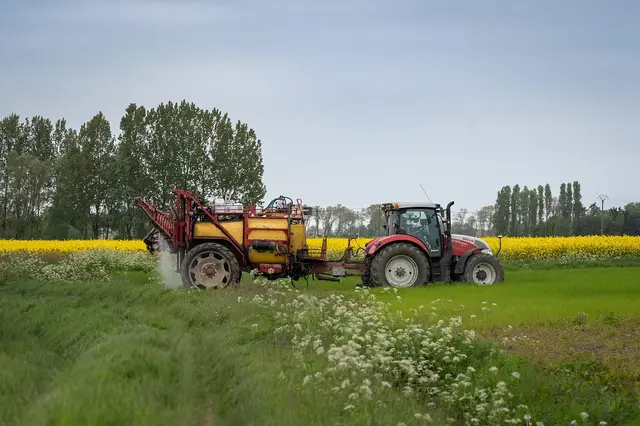
Rural farm equipment shop and yard
Open a small shop or yard in a farming town selling machinery, tools and parts, with delivery and after-sales help.
- A$80k-300k
- Full-time
- Own premises

Topsoil and landscape supply yard
Run a small yard that screens, mixes and sells bulk topsoil to trade and walk-in customers.
- A$60k-250k
- Full-time
- Own premises

Small rural supply store
Run a local shed or shopfront stocking fertilisers and crop protection products for farmers, growers and hobby farms.
- A$60k-250k
- Full-time
- Own premises
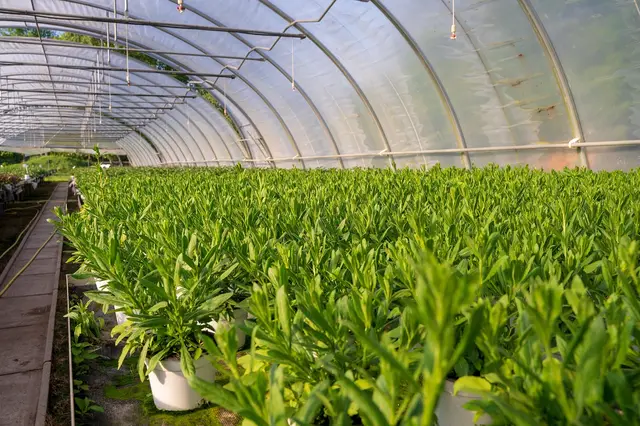
Full-time wholesale nursery with shadehouses
Run a leased or owned growing site with shadehouses and supply plants in volume to garden centres and landscapers.
- A$100k-350k
- Full-time
- Own premises
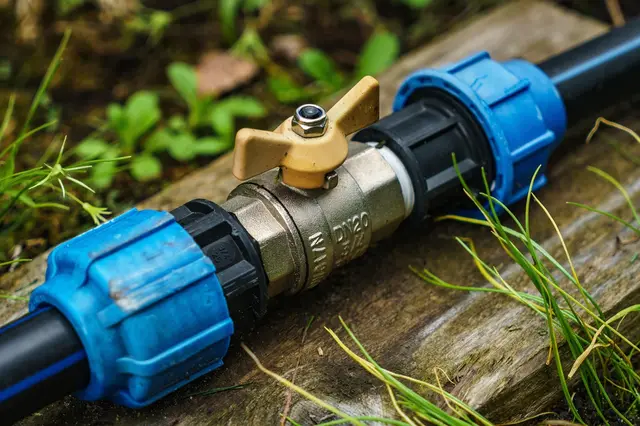
Local irrigation supplies shop
Sell pipes, pumps, sprinklers and drip kits to farmers, gardeners and tradies from a small shopfront or yard.
- A$60k-250k
- Full-time
- Own premises

Goat or sheep milk creamery on a small farm
Keep a small herd of goats or sheep and make cheese and yoghurt on your own property to sell direct and to local shops.
- A$60k-250k
- Full-time
- Own premises
Photo: Pexels on Pixabay