Wheel Alignment Workshop
Run a small workshop that aligns wheels for local drivers, tradies and small fleets.
- A$40k-120k
- Full-time
- Own premises
- Licence or permit needed
Estimates for a small start in Australia, not guarantees.
What it is
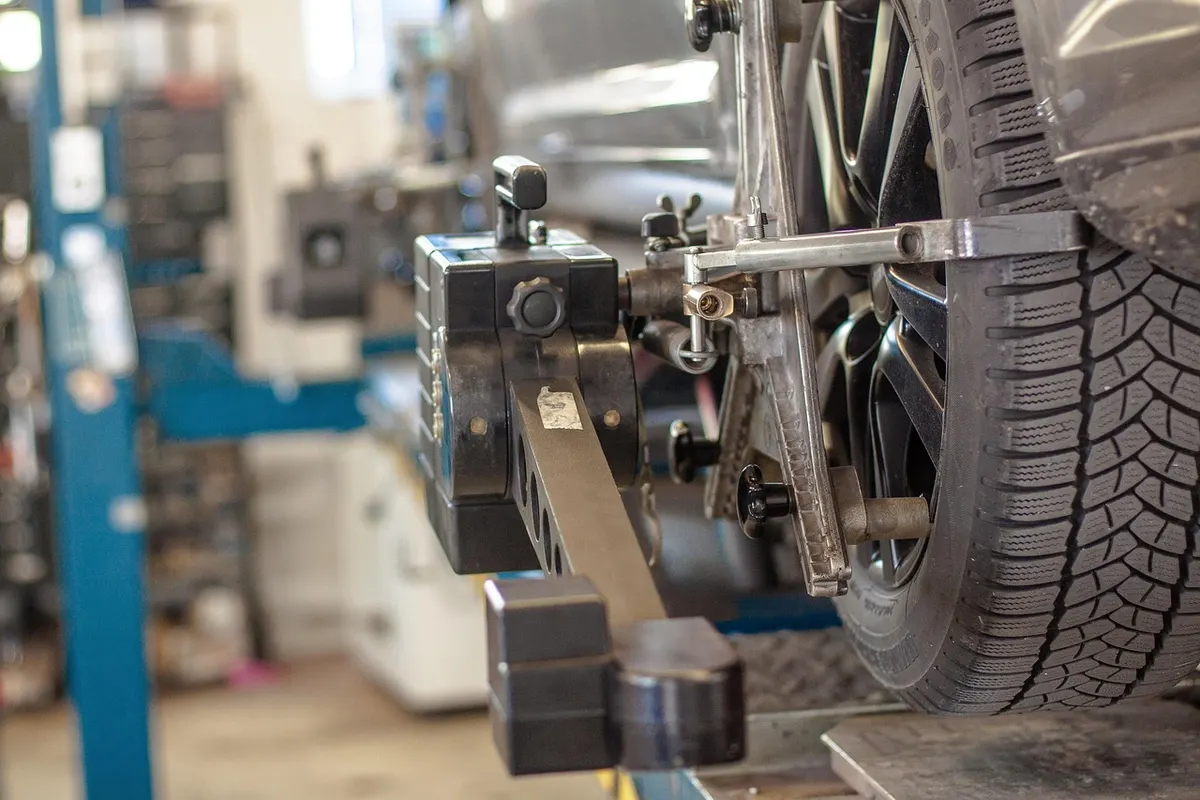
A small unit with a hoist or alignment ramp and a computerised alignment rig. You check and adjust wheel angles so cars and utes drive straight and tyres wear evenly. You can also add tyre fitting, balancing and basic suspension checks.
Your first three steps
- Price up new and second-hand alignment rigs and ask suppliers about training and calibration
- Look at industrial units or shared workshop space near busy roads and check zoning and lease terms
- Visit local tyre shops, mechanics and fleet operators to see if they would send alignment work to you
Who pays
Everyday motorists, tradies with utes and vans, small businesses with vehicle fleets, and tyre shops or mechanics who send work out.
How it makes money
A fixed price per alignment, often set by vehicle type, plus extras like tyre balancing and suspension part replacement. Fleet clients can bring in regular repeat work.
Skills that help
- Mechanical know-how and suspension basics
- Careful, accurate hands-on work
- Clear explanations to customers
Watch out for
- Check whether your state or territory requires a motor vehicle repairer licence or relevant trade qualification
- Public liability, and insurance covering customers' vehicles in your care
- Rig calibration and a level floor or ramp, as errors lead to comebacks
- Council zoning and approvals for a workshop, including noise and waste oil rules
- Workers compensation insurance once you hire staff
🔒 Full research report for Australia
Real cost breakdown with current prices, licences and registration checklist, local competition, pricing, break-even and a 30-day launch plan, with sources.
Coming soonQuestions people ask
How much does it cost to start a wheel alignment workshop?
Startup costs are estimates, typically around $40,000 to $120,000, depending on premises, equipment and fit-out. Monthly revenue is typically around $8,000 to $35,000, depending on customer volume and the services you offer.
Do I need a licence to run a wheel alignment workshop in Australia?
Check whether your state or territory requires a motor vehicle repairer licence or relevant trade qualification. Also check council zoning and approvals, including noise and waste oil rules, public liability and cover for customers' vehicles, and workers compensation once you hire staff.
What skills and time does a wheel alignment business need?
Mechanical know-how and suspension basics help, along with careful, accurate hands-on work and clear explanations to customers. Time is estimated at around 30 hours a week at minimum, depending on how busy the workshop is.
Other ways to run this business
Similar car and vehicle ideas

Windscreen and auto glass workshop
Run a small workshop fitting windscreens and windows, with stock on hand, bookings and insurer work.
- A$40k-120k
- Full-time
- Own premises
Used car parts yard and counter
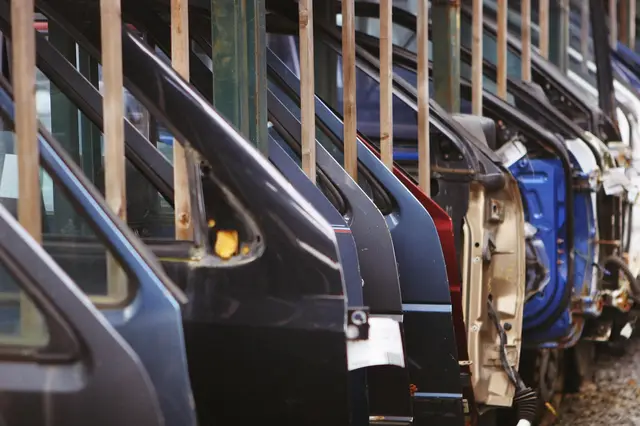
Dismantle scrapped cars and sell the parts from a small yard with a trade counter and online listings.
- A$30k-120k
- Full-time
- Own premises
Exhaust fitting and repair workshop
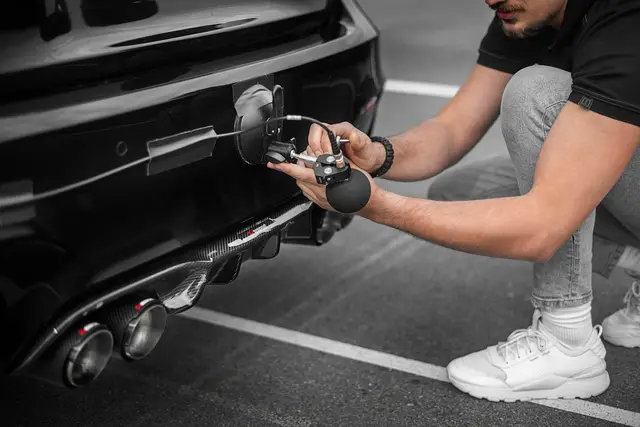
Run a small workshop fitting and repairing exhausts and mufflers for local car, ute and van owners.
- A$30k-120k
- Full-time
- Own premises
Diesel engine dealer with a small yard or unit
Hold stock of used and reconditioned diesel engines in a unit or yard and sell to workshops, fleets and local owners.
- A$30k-120k
- Full-time
- Own premises
Motorhome and RV repair workshop
Rent a workshop bay big enough for motorhomes and run servicing and repairs.
- A$25k-120k
- Full-time
- Own premises
LPG conversion workshop
Fit LPG systems to petrol cars, vans and utes for drivers who want cheaper fuel.
- A$30k-120k
- Full-time
- Own premises
Photo: delphinmedia on Pixabay