Local grocery wholesaler with a delivery van
Stock everyday grocery lines in a small unit and deliver in bulk to independent shops, delis and convenience stores nearby.

- A$25k-90k
- Full-time
- Own premises
- Licence or permit needed
Estimates for a small start in Australia, not guarantees.
What it is
A small trade supplier that buys everyday grocery lines (pantry staples, drinks, snacks, cleaning and paper goods) in bulk from manufacturers and larger distributors. You store them in a rented unit and deliver to local independent retailers on trade terms.
Your first three steps
- Visit 15 to 20 local independent shops and ask what they buy, from whom, and what delivery or terms they wish they had
- Open trade accounts with several suppliers and compare their minimum orders, prices and payment terms
- Price up a small unit and a van, then build a simple cash-flow forecast with a realistic number of weekly drops
Who pays
Independent grocers, convenience stores, delis, milk bars, small cafes and community shops that are too small for the big distributors' attention or want a flexible local supplier.
How it makes money
You buy at wholesale prices and sell at a margin on each carton or pallet. Income depends on order size, how often customers reorder and how well you manage stock and delivery costs.
Skills that help
- Sales and relationship building
- Stock control and ordering
- Basic bookkeeping and credit control
- Driving and delivery planning
Watch out for
- Storing and distributing food usually means registering or notifying your local council or state food authority as a food business, even for packaged goods, so check this before you start trading and ask whether a food safety supervisor or other requirements apply
- Check food labelling and storage rules, including date coding, temperature control where relevant and pest control
- Margins can be thin and customers may pay late, so check credit terms and consider trade credit insurance
- Public liability, product liability, motor vehicle and goods-in-transit insurance
- Anyone driving a forklift may need a high risk work licence, so check your state's workplace safety regulator
- Check zoning for your unit with your council, and whether you need an ABN and GST registration
Deep research report · Australia
Everything you need to start: local grocery wholesaler with a delivery van
Researched with live web search for Australia: real startup prices, the licences and rules, what others charge, a break-even example, how to find your first customers and a 30-day launch plan. With sources.
- Startup costs with real prices
- Licences, registration and rules
- Pricing: what others charge
- Break-even example
- Finding your first customers
- 30-day launch plan
- Risks and how to reduce them
Questions people ask
How much does it cost to start a grocery wholesale business in Australia?
Startup costs are typically around $25,000 to $90,000, depending on the unit, your van, opening stock and insurance. Margins can be thin and customers may pay late, so check credit terms and consider trade credit insurance.
Do I need to register as a food business to wholesale groceries?
Check whether storing and distributing packaged food means registering or notifying your local council or state food authority, and whether a food safety supervisor applies. Also check labelling and storage rules, unit zoning with your council, forklift licensing, and ABN and GST registration.
How much revenue can a local grocery wholesaler make?
Monthly revenue is typically around $15,000 to $70,000, depending on how many shops you supply, your product range and order sizes. Plan for around 35 hours a week or more, and watch margins and late payments.
Similar food ideas

Compact chocolate dessert bar
Start smaller with a tiny chocolate cafe in a shopping centre, arcade or market hall with a few seats.
- A$25k-90k
- Part-time
- Own premises

Full-time dairy and grocery delivery van round
Run a refrigerated van round delivering milk, dairy and pantry items to hundreds of subscribing homes.
- A$35k-90k
- Full-time
- Out and about
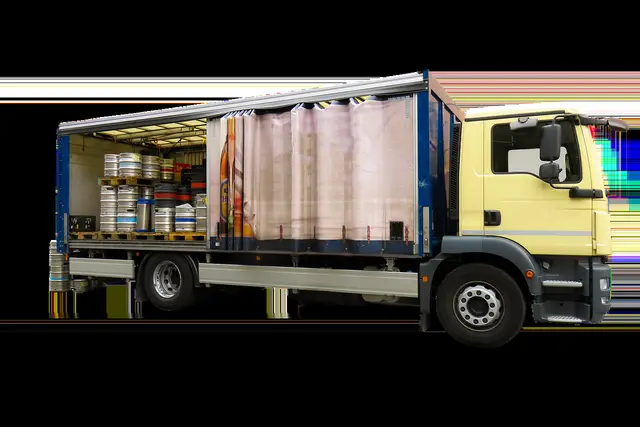
Independent craft beer distributor
Carry a range of small-brewery beers and deliver kegs and cartons to local pubs, bars and bottle shops.
- A$25k-90k
- Full-time
- Own premises

Office water cooler and refill supply service
Supply workplaces with water coolers and regular bottle refills on a contract, using a van and a small storage space.
- A$30k-90k
- Full-time
- Out and about
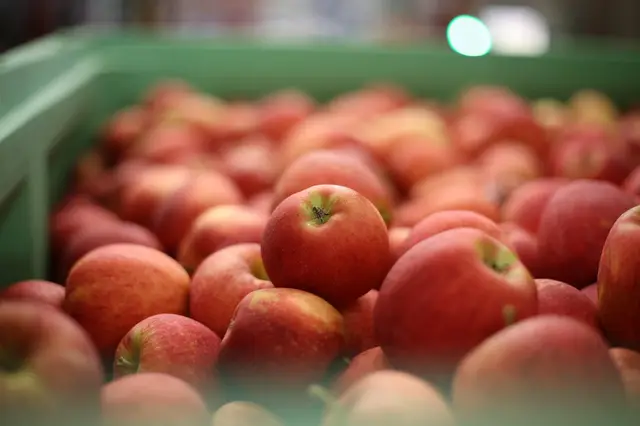
Fruit wholesale from a small cool store
Rent a small unit with cold storage, buy fruit in bulk and supply stallholders, shops and food makers.
- A$20k-90k
- Full-time
- Own premises
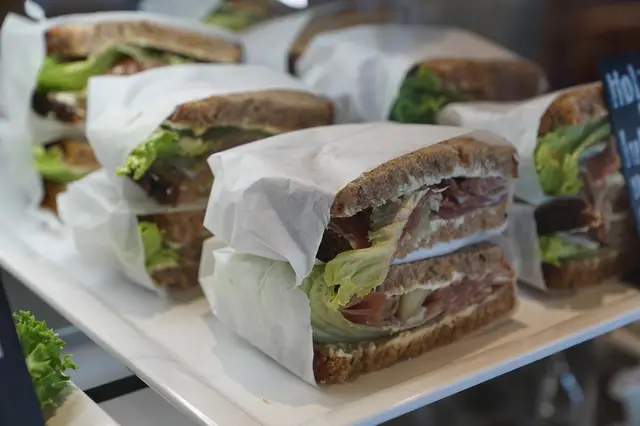
Neighbourhood snack bar
Run a small counter-service shop selling toasties, rolls, hot snacks and drinks to locals and passers-by.
- A$20k-90k
- Full-time
- Own premises