Start a tubestock nursery for landscapers
Grow tubestock and advanced shrubs in bulk for landscapers, councils and revegetation projects.
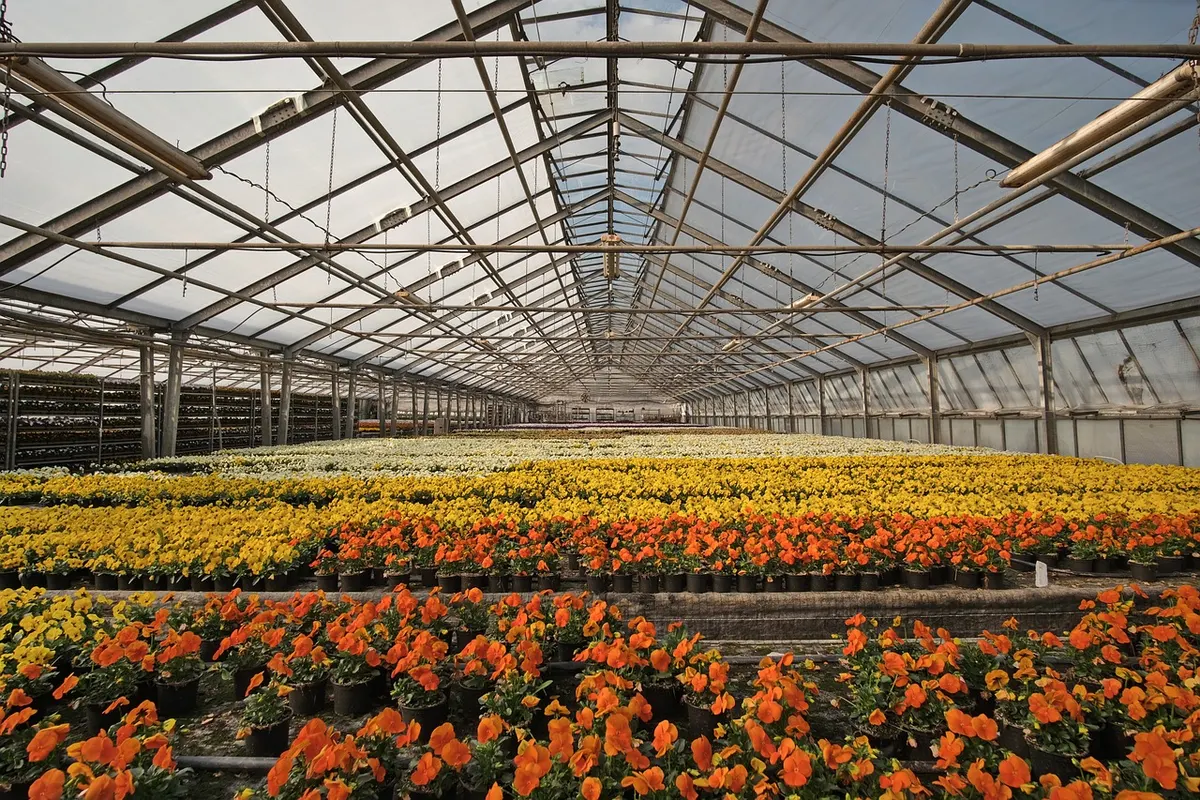
- A$10k-50k
- Part-time
- Own premises
Estimates for a small start in Australia, not guarantees.
What it is
A production nursery on a rural or semi-rural block, growing plants in volume (such as native tubestock, hedging and shrubs) for trade buyers rather than retail customers.
Your first three steps
- Talk to local landscapers, councils and landcare groups about which plants they buy and in what quantities
- Plan a small production block with shade house, irrigation and potting area, and cost a first crop cycle
- Quote a small grow-to-order job for one trade customer to prove your quality and lead times
Who pays
Landscapers, landscape designers, councils, landcare and revegetation groups, and retail garden centres.
How it makes money
Price per plant on bulk orders, often grown to order or on contract, with repeat orders from regular trade customers.
Skills that help
- Large-scale propagation and crop planning
- Irrigation and plant health management
- Building trade relationships and quoting
Watch out for
- Check zoning and planning rules with your local council before setting up a production nursery
- Check your state's nursery accreditation or biosecurity schemes, which some trade buyers expect or require
- Public liability insurance, and workers compensation once you hire staff
- Long lead times, as plants can take months before you can sell them, so plan your cash flow
- Water access and restrictions, plus risks from pests, disease, heat and frost
Deep research report · Australia
Everything you need to start: tubestock nursery for landscapers
Researched with live web search for Australia: real startup prices, the licences and rules, what others charge, a break-even example, how to find your first customers and a 30-day launch plan. With sources.
- Startup costs with real prices
- Licences, registration and rules
- Pricing: what others charge
- Break-even example
- Finding your first customers
- 30-day launch plan
- Risks and how to reduce them
Questions people ask
How much does it cost to start a tubestock nursery in Australia?
Startup costs are typically estimated at around $10,000 to $50,000, depending on the size of your block, your propagation and irrigation setup, and how much stock you grow before your first sales.
How much can a wholesale tubestock nursery earn?
Monthly revenue is typically estimated at around $2,000 to $10,000, depending on how much stock you produce, which trade buyers you win, and how long plants take to reach a saleable size.
What should I check before setting up a production nursery?
Check zoning and planning rules with your local council, and your state's nursery accreditation or biosecurity schemes, which some trade buyers expect. Also check insurance, water access and restrictions, and risks from pests, disease, heat and frost.
Other ways to run this business

Similar farming and garden ideas
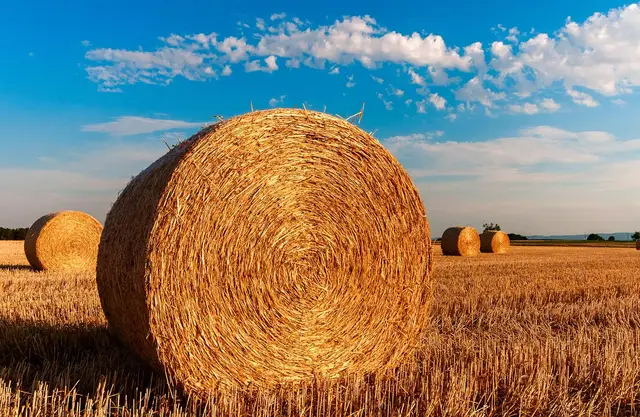
Rural hay and bedding yard
Hold hay, straw and bedding in a shed and sell to walk-in customers and regular delivery clients.
- A$10k-50k
- Part-time
- Own premises
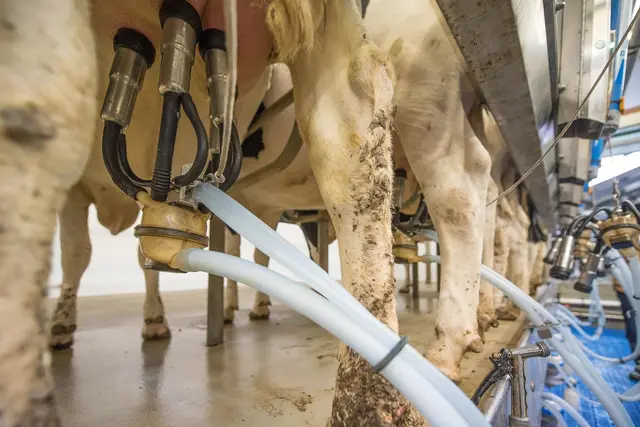
Dairy parts and consumables supplier
Stock and deliver milking liners, filters, hoses and fittings to dairy farms from a small shed or unit.
- A$10k-50k
- Part-time
- Own premises
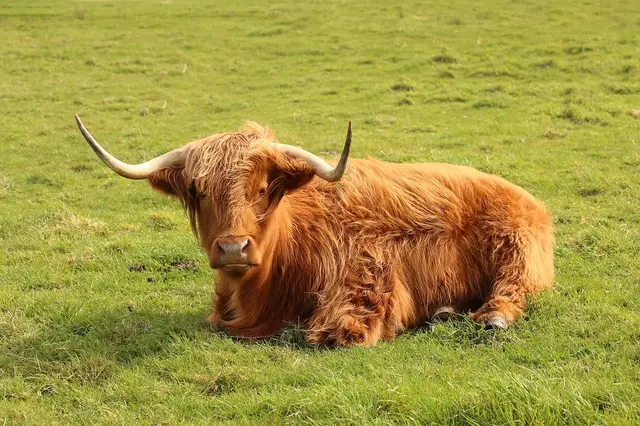
Small-block beef cattle, part-time
Buy weaner steers, grow them on a small block or agisted paddocks, and sell them on to dealers, farmers or an abattoir.
- A$10k-50k
- Side hustle
- Own premises
Stallion at stud service
Stand a stallion at stud and charge mare owners a fee for breeding to him.
- A$10k-50k
- Part-time
- Own premises

Small-block vegetable and field crop grower
Lease a few hectares and grow vegetables or field crops to sell to wholesalers, markets and local cafes.
- A$10k-50k
- Part-time
- Own premises
Pumpkin patch farm day out with café stall
Run a bigger autumn pumpkin patch with kids' activities, school visits and a food and drink stall.
- A$15k-60k
- Part-time
- Own premises
Photo: driesel on Pixabay