Solo timber floor installer for builders and retailers
Lay solid and engineered timber floors as a sole trader, taking regular jobs from builders, renovators and flooring shops.
- A$4k-15k
- Part-time
- Out and about
- Licence or permit needed
Estimates for a small start in Australia, not guarantees.
What it is
Installing solid and engineered timber flooring (nail-down, glue-down or floating) in homes and offices. You work as a sole trader on jobs passed to you by others, and you mainly charge for your labour.
Your first three steps
- Check your state's licensing body for what flooring work you can do and whether you need a licence or registration
- Get an ABN, public liability insurance and the core kit: compressor, nailer, saws, moisture meter and knee pads
- Introduce yourself to local builders and flooring shops with photos of your work and offer a small trial job
Who pays
Builders, renovators, flooring retailers and property managers who need a reliable installer. Some jobs come from homeowners.
How it makes money
Usually a rate per square metre for labour, sometimes a day rate. Extras such as stairs, trims and removing old floors are priced separately.
Skills that help
- Accurate measuring and cutting
- Knowledge of subfloors, moisture and expansion gaps
- Reliable, tidy work on other people's sites
Watch out for
- Licensing rules differ by state, and some require a licence above a certain job value, so check before quoting
- Public liability insurance, plus the contractor and workers compensation rules if you ever bring someone on
- Moisture or subfloor problems can ruin a floor, so test and record before you start
- A ute or van is usually needed, and the work is hard on knees and back
- Getting paid late by contractors, so agree payment terms in writing
Deep research report · Australia
Everything you need to start: solo timber floor installer for builders and retailers
Researched with live web search for Australia: real startup prices, the licences and rules, what others charge, a break-even example, how to find your first customers and a 30-day launch plan. With sources.
- Startup costs with real prices
- Licences, registration and rules
- Pricing: what others charge
- Break-even example
- Finding your first customers
- 30-day launch plan
- Risks and how to reduce them
Questions people ask
How much does it cost to start as a timber floor installer?
Startup costs are typically around $4,000 to $15,000, depending on your tools, vehicle and insurance. Because you mainly charge for your labour rather than supplying timber, costs are usually lower than for a company that buys materials upfront.
How much can a sole trader floor installer earn?
Monthly revenue is typically around $4,000 to $12,000, depending on how steady your work from builders, renovators and flooring retailers is. These are revenue estimates, before costs such as fuel, tools and insurance.
Do I need a licence to install timber floors in Australia?
Licensing rules differ by state, and some require a licence above a certain job value, so check before quoting. Also check public liability insurance, plus contractor and workers compensation rules if you ever bring someone on.
Other ways to run this business
Similar trades ideas
Online fibreglass supplies shop
Sell fibreglass matting, cloth and repair kits online to boat owners, hobbyists and small workshops.
- A$3k-15k
- Side hustle
- Online
Solo plasterer working for builders
Subcontract your plastering to local builders and renovators, fixing and finishing walls and ceilings on their jobs.
- A$4k-15k
- Full-time
- Out and about
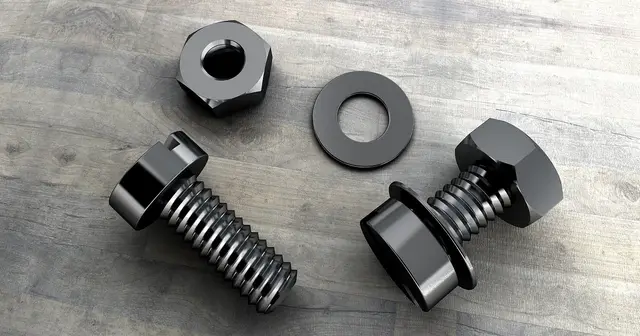
Online bulk fastener shop
Sell screws, bolts and anchors in bulk boxes online to tradies, makers and small manufacturers.
- A$3k-15k
- Side hustle
- Online

Mobile carpenter for repairs and fit-outs
Hang doors, fit skirting, repair decks and handle small carpentry jobs for homeowners and landlords.
- A$3k-15k
- Part-time
- Out and about
Home lighting installer
Fit LED downlights, feature and outdoor lighting for homeowners as a licensed sole trader.
- A$4k-15k
- Part-time
- Out and about
Trade air filter supply and delivery
Supply workshops, farms and building managers with regular filter orders delivered by ute or van.
- A$3k-15k
- Part-time
- Out and about