Body parts sourcing for local bodyshops
Find bumpers, panels and trim for local bodyshops from distributors, then deliver them. You hold little or no stock.
- C$1.5k-8k
- Side hustle
- From home
Estimates for a small start in Canada, not guarantees.
What it is
You work from home as a go-between for bodyshops and repairers. A shop sends you a part request by VIN or vehicle details. You find the part from wholesale distributors, aftermarket makers or recycled-parts sources, then arrange delivery. You keep little or no stock.
Your first three steps
- Visit local independent bodyshops to learn what parts they struggle to source quickly and what they pay now
- Apply for trade accounts with a few wholesale distributors and aftermarket suppliers to compare pricing and delivery times
- Set up simple order tracking and a price list, then offer free same-day quotes to three shops for a trial month
Who pays
Independent bodyshops, mechanics doing collision work, small fleet operators and mobile dent and paint repairers.
How it makes money
You buy at trade price and sell with a markup, or earn a margin or commission from the supplier. Fast turnaround and reliable delivery keep shops ordering from you.
Skills that help
- Reading part numbers and VIN details
- Building trade relationships
- Organised order tracking
- Clear communication under deadline pressure
Watch out for
- Check whether your municipality requires a home-based business licence
- Register for GST/HST (and PST or QST where it applies) once you pass the small supplier threshold, and check how your province treats resale
- Check that parts meet insurer requirements, since many insurers prefer certified aftermarket parts
- Returns, wrong parts and damaged freight can wipe out a thin margin, so agree return terms with suppliers first
- Check insurance for stock in transit and for any vehicle you use to deliver
- In Quebec, check French-language requirements for invoices and marketing
Deep research report · Canada
Everything you need to start: body parts sourcing for local bodyshops
Researched with live web search for Canada: real startup prices, the licences and rules, what others charge, a break-even example, how to find your first customers and a 30-day launch plan. With sources.
- Startup costs with real prices
- Licences, registration and rules
- Pricing: what others charge
- Break-even example
- Finding your first customers
- 30-day launch plan
- Risks and how to reduce them
Questions people ask
How much does it cost to start a body parts sourcing business?
Estimates suggest startup costs are typically around $1,500 to $8,000, depending on your setup and how you handle delivery. Check insurance for stock in transit and for any vehicle you use to deliver.
How much can a body parts broker earn?
Monthly revenue is typically estimated at around $4,000 to $20,000, depending on how many bodyshops you supply. Margins can be thin, and returns, wrong parts and damaged freight can wipe them out, so agree return terms with suppliers first.
What should I check before sourcing body parts in Canada?
Check whether your municipality requires a home-based business licence, and whether to register for GST/HST (and PST or QST where it applies) once you pass the small supplier threshold. Also check insurer requirements for parts and Quebec French-language rules.
Other ways to run this business
Similar car and vehicle ideas

Online truck parts sourcing business
Find and sell heavy truck parts to small fleets and garages from home, with suppliers shipping direct.
- C$1.5k-8k
- Side hustle
- From home
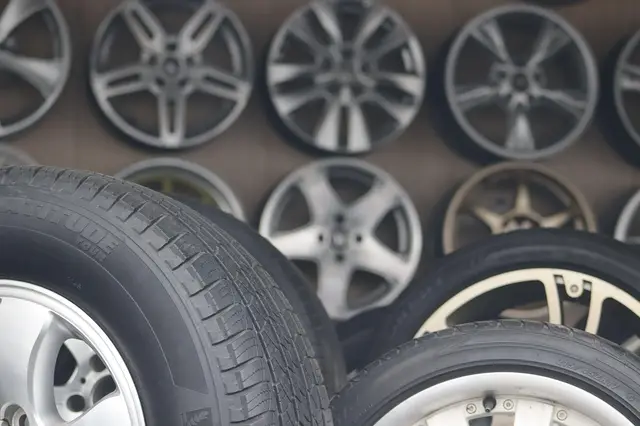
Online wheel and winter wheel package seller
Sell alloy and steel wheels online to drivers and garages, shipped from your supplier or a small home stock.
- C$1.5k-8k
- Side hustle
- Online
Licence plate frame wholesaler for local shops
Buy plate frames in bulk and supply car accessory shops, garages and dealers in your region.
- C$2k-8k
- Side hustle
- From home
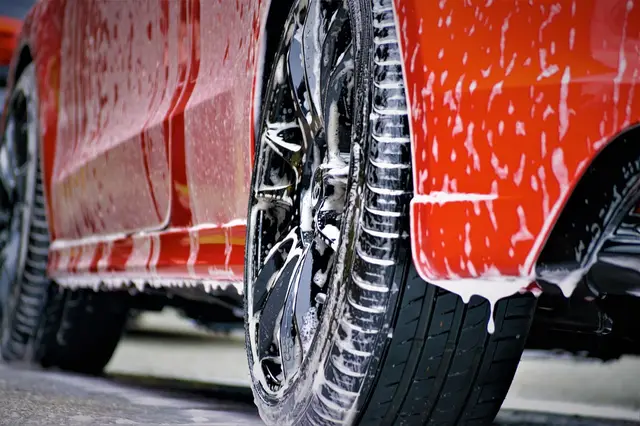
Mobile car detailing service
Drive to homes, workplaces and small fleets to deep clean car interiors and exteriors.
- C$2k-8k
- Side hustle
- Out and about

Mobile car audio installer
Fit car stereos, speakers and amps at customers' homes or workplaces, with no shop rent to pay.
- C$2k-8k
- Side hustle
- Out and about
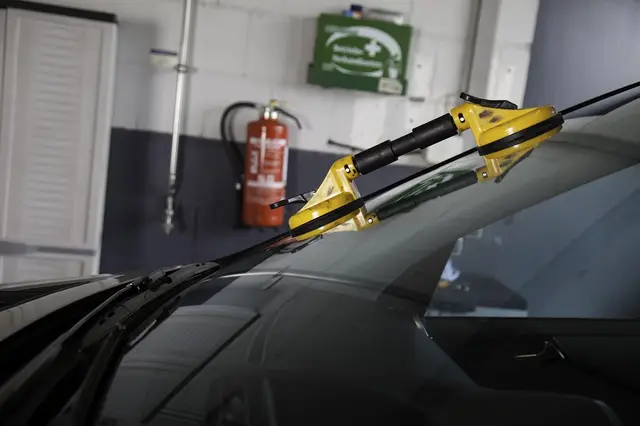
Windshield repair for dealers and fleets
Repair chips on dealer lots and company vehicles on a regular schedule.
- C$2.5k-8k
- Part-time
- Out and about