Body parts supplier with a small trade counter
Stock common panels, bumpers and trim in a small unit and supply local bodyshops with same-day delivery.

- C$30k-100k
- Full-time
- Own premises
- Licence or permit needed
Estimates for a small start in Canada, not guarantees.
What it is
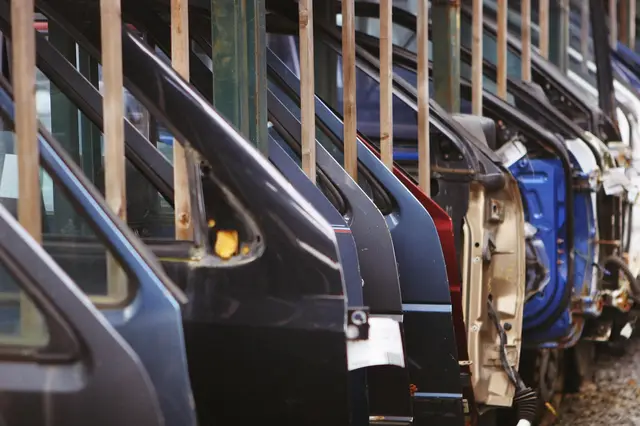
A small unit or warehouse holding fast-moving collision parts such as bumpers, fenders, headlights, mirrors and trim for popular local vehicles. You serve bodyshops with a trade counter and a delivery run, and order in the rest overnight from larger distributors.
Your first three steps
- Talk to local bodyshops about which parts they order most and what delays them, then build a starter stock list around that
- Get quotes for a small industrial unit and compare them with the likely first-year stock, rent and delivery costs
- Open trade accounts with distributors and aftermarket suppliers, and ask about stocking terms and return policies
Who pays
Bodyshops, collision repair centres, independent garages, fleet operators and some walk-in DIY customers.
How it makes money
You sell parts at a markup over your trade cost. Trade accounts give repeat orders, and delivery and quick availability let you compete with larger suppliers.
Skills that help
- Parts knowledge and catalogue systems
- Inventory management
- Sales and account management
- Basic bookkeeping
Watch out for
- Check municipal zoning and whether you need a business licence for your premises
- Stock is a big upfront cost, and slow-moving parts tie up cash
- Check commercial general liability and property insurance, plus cover for any delivery vehicle
- Register for GST/HST and any provincial sales tax, and check how resale exemptions work in your province
- If you add recycled or salvage parts, check your province's dismantler or recycler licensing rules
- WCB/WSIB coverage rules differ by province once you hire staff
- In Quebec, check French-language requirements for signage and documents
Deep research report · Canada
Everything you need to start: body parts supplier with a small trade counter
Researched with live web search for Canada: real startup prices, the licences and rules, what others charge, a break-even example, how to find your first customers and a 30-day launch plan. With sources.
- Startup costs with real prices
- Licences, registration and rules
- Pricing: what others charge
- Break-even example
- Finding your first customers
- 30-day launch plan
- Risks and how to reduce them
Questions people ask
How much does it cost to start a body parts supply business?
Estimates suggest startup costs are typically around $30,000 to $100,000, depending on your premises and how much stock you carry. Stock is a big upfront cost, and slow-moving parts can tie up cash.
How much can a body parts trade counter earn?
Monthly revenue is typically estimated at around $25,000 to $120,000, depending on how many bodyshop accounts you win and the range you stock. That is revenue, not profit, so allow for stock, rent, delivery and wages.
What licences and rules should I check for a parts supplier?
Check municipal zoning and whether you need a business licence for your premises. Also check GST/HST and provincial sales tax registration, insurance, dismantler or recycler rules if you add salvage parts, and Quebec French-language requirements.
Other ways to run this business
Similar car and vehicle ideas

Truck and van accessories shop with fitting bay
Sell and fit lights, box covers, bars and other add-ons for work trucks, vans and pickups from a small unit.
- C$25k-100k
- Full-time
- Own premises
Used car parts shop with a small yard
Run a small unit or yard selling tested second-hand parts to local drivers and garages.
- C$25k-100k
- Full-time
- Own premises
Car battery shop with fitting bay
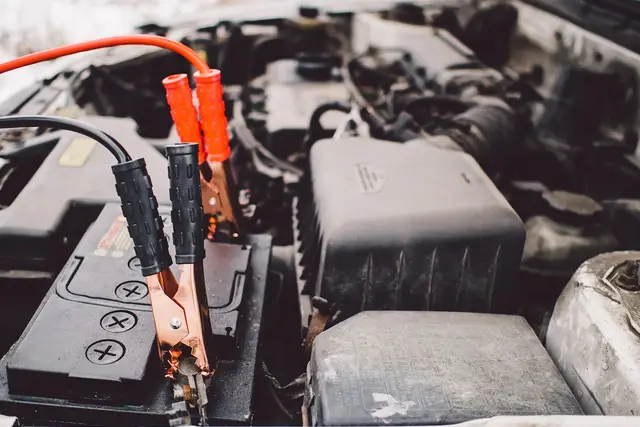
Sell, test and fit replacement car batteries from a small unit, and take back old ones for recycling.
- C$25k-100k
- Full-time
- Own premises
Trailer repair workshop
Run a rented bay or small unit repairing brakes, axles, coupling gear and bodywork for owners and fleets.
- C$20k-100k
- Full-time
- Own premises
Car stereo and audio shop
Run a small shop and install bay selling and fitting stereos, speakers and sound systems.
- C$25k-100k
- Full-time
- Own premises
Small independent repair garage
Rent a small garage unit and repair and service cars for local owners and small fleets.
- C$25k-100k
- Full-time
- Own premises