Neighbourhood battery shop
Sell car, household and device batteries from a small shop, with testing and fitting for walk-in customers and local trade buyers.

- C$30k-120k
- Full-time
- Own premises
- Licence or permit needed
Estimates for a small start in Canada, not guarantees.
What it is
A small shop stocking vehicle batteries, everyday batteries (AA, AAA, button cells), and packs for tools, phones, laptops, mobility devices and alarms. You test batteries, fit simple ones on the spot and take old ones back for recycling.
Your first three steps
- Visit local garages, contractors and property managers to find out which batteries they struggle to get quickly
- Contact battery distributors and wholesalers to compare prices, minimum orders and trade account terms
- Price a small unit on a busy road in your area and check zoning and signage rules with the municipality before signing a lease
Who pays
Drivers with a dead battery, households, local garages, small contractors, property managers and anyone who needs a hard-to-find battery fast.
How it makes money
Retail margin on each battery, plus fees for testing, fitting and custom packs. Regular accounts with local garages and contractors give steadier repeat sales.
Skills that help
- Product knowledge of battery types and sizes
- Customer service and clear advice
- Stock control and supplier negotiation
- Basic hand tools for fitting
Watch out for
- Provincial battery recycling or stewardship rules, including take-back obligations and any environmental fees (check your provincial regulator)
- Safe storage of lead-acid and lithium batteries, including fire safety and ventilation (check with your insurer and local fire department)
- Commercial general liability and property insurance, as faulty batteries can cause damage
- Municipal business licence, zoning and signage rules; in Quebec, French-language requirements for signs and packaging
- GST/HST and any provincial sales tax registration
- Large upfront stock cost, so start with fast-moving sizes and avoid overbuying
- Competition from big-box stores and online sellers, so lean on advice, testing and speed
🔒 Full research report for Canada
Real cost breakdown with current prices, licences and registration checklist, local competition, pricing, break-even and a 30-day launch plan, with sources.
Coming soonQuestions people ask
How much does it cost to start a battery shop in Canada?
Estimates suggest startup costs are typically around $30,000 to $120,000, depending on your premises and the stock you buy. Upfront stock cost is large, so start with fast-moving sizes and avoid overbuying.
How much revenue can a battery shop make?
Estimated monthly revenue is typically around $10,000 to $45,000, depending on foot traffic, your product mix and trade customers. Big-box stores and online sellers compete, so lean on advice, testing and speed.
What rules should I check before opening a battery shop in Canada?
Check provincial battery recycling or stewardship rules, including take-back obligations and environmental fees. Also check safe storage of lead-acid and lithium batteries with your insurer and fire department, municipal licence and zoning rules, and tax registration.
Other ways to run this business

Similar retail ideas
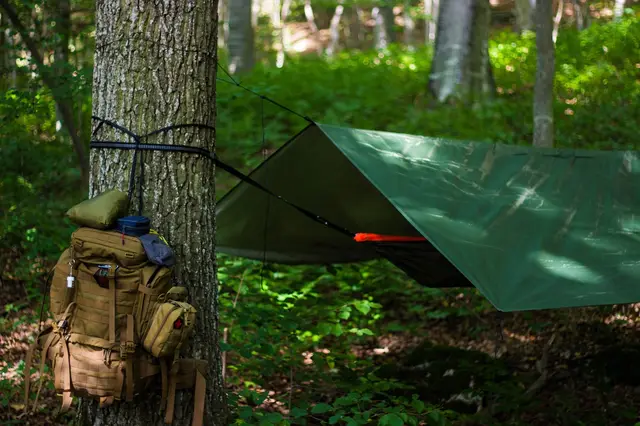
Camping gear shop
Open a small shop selling tents, sleeping bags and camping gear to local campers and hikers.
- C$30k-120k
- Full-time
- Own premises
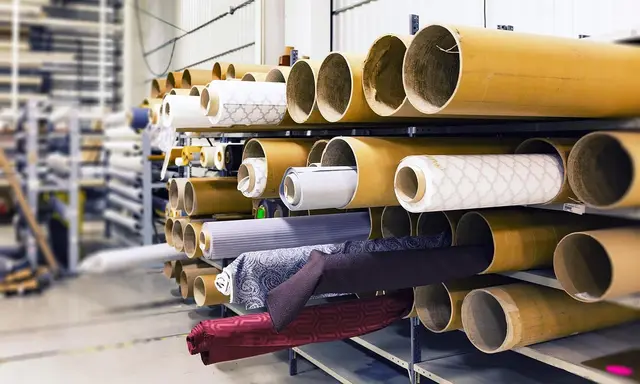
Small-warehouse fabric wholesaler
Buy bolts from mills and importers, and sell them by the bolt to makers, upholsterers and shops from a small unit.
- C$25k-120k
- Full-time
- Own premises
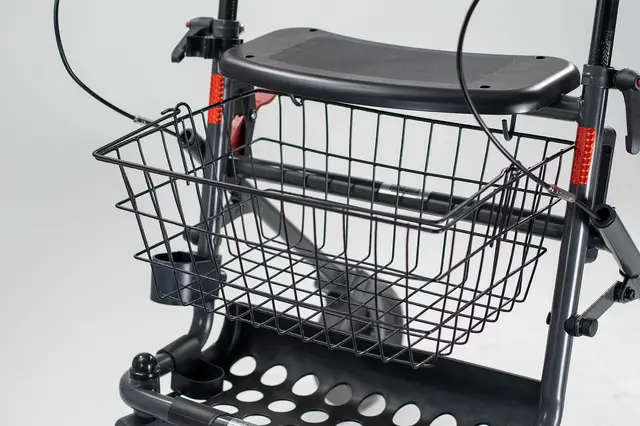
Local mobility and support products shop
Open a small shop selling braces, walkers and support aids to people recovering from injuries or living with mobility needs.
- C$40k-120k
- Full-time
- Own premises

Neighbourhood coffee bean and gear shop
Open a small shop selling fresh whole and ground beans, plus grinders, brewers and accessories to local coffee fans.
- C$40k-120k
- Full-time
- Own premises

Independent bridal boutique
Open a small shop where brides try on gowns and buy veils, shoes and accessories.
- C$40k-120k
- Full-time
- Own premises

Local hobby shop with a gaming table
Open a small shop for model kits, crafts and games, with space for play nights and workshops.
- C$30k-120k
- Full-time
- Own premises