Small-Batch Jarred Preserves
Make jams, pickles and sauces in a rented commercial kitchen and sell them at markets, local shops and online.
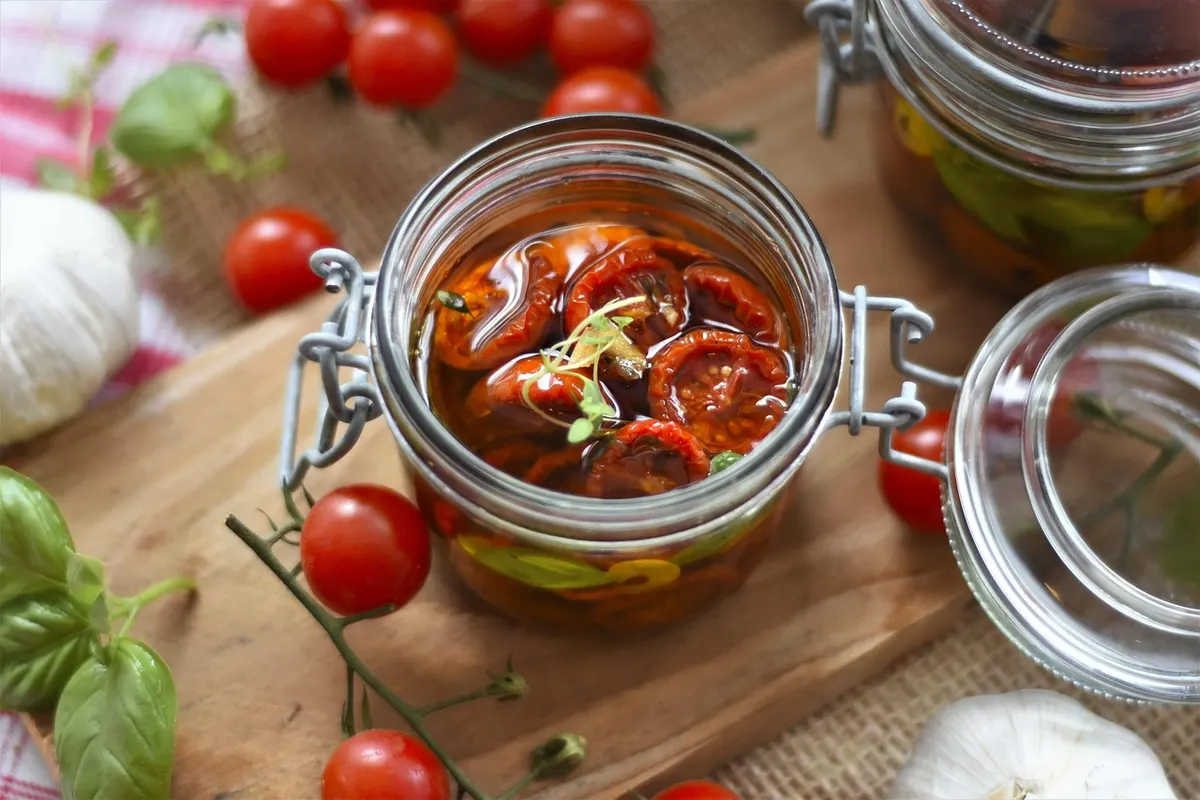
- C$2k-9k
- Side hustle
- Own premises
- Licence or permit needed
Estimates for a small start in Canada, not guarantees.
What it is
You preserve local fruit and vegetables in jars and sell them under your own brand. Start with naturally acidic products such as fruit jams and jellies. Pickles, relishes and tomato sauces can be added once each recipe has been tested and confirmed safe (for example, by checking the acidity level). You make small batches in a licensed shared or rented commercial kitchen.
Your first three steps
- Contact your local public health unit to ask which permits and kitchen type your products need
- Book time in a shared commercial kitchen and test two or three fruit-based recipes from trusted, tested sources
- Before selling any pickles, relishes or sauces, have the recipe and process checked by a food safety expert or lab
Who pays
Shoppers at farmers' markets and craft fairs, local grocers and gift shops, cafés, and online customers buying gift sets, especially in the autumn and holiday season.
How it makes money
You sell jars at retail price at markets and online, or at a lower wholesale price to shops. Margins improve when you buy produce in season, in bulk, from nearby farms.
Skills that help
- Following tested recipes and food safety steps carefully
- Cooking and batch planning
- Selling face to face and building a brand
Watch out for
- Vegetables and other low-acid foods can carry a serious botulism risk if they are not made acidic enough or processed correctly. Do not sell pickles, relishes or vegetable-based sauces until the recipe and process have been validated by a food safety expert or recognised lab, and ask your health unit what proof they need
- Food premises approval and permits differ by province and municipality, and Quebec has its own rules
- Selling across provincial borders may need a federal licence from the CFIA, and labelling rules such as bilingual labels and nutrition facts may apply
- Commercial general liability and product liability insurance, which markets and shops often ask for
- Seasonal supply and storage space, since harvest comes in a rush and winter markets are quieter
🔒 Full research report for Canada
Real cost breakdown with current prices, licences and registration checklist, local competition, pricing, break-even and a 30-day launch plan, with sources.
Coming soonQuestions people ask
How much does it cost to start a jarred preserves business in Canada?
Estimates for this idea are typically around $2,000 to $9,000 to start, depending on your kitchen rental, jars, labels and ingredients. The idea suggests starting with naturally acidic products such as fruit jams and jellies.
How much can a small-batch preserves business earn?
Estimates suggest monthly revenue of typically around $800 to $4,000, depending on your markets, shop customers and online sales. That is revenue, not profit. Harvest comes in a rush and winter markets are quieter, so plan for seasonality.
What food safety rules should I check before selling preserves in Canada?
Low-acid foods can carry a serious botulism risk. Check that pickles, relishes or vegetable sauces have a validated recipe and process, and ask your health unit what proof it needs. Also check food premises approval, CFIA licensing, labelling and insurance.
Other ways to run this business
Similar food ideas

Online Japanese sweets and snack boxes
Sell Japanese snacks and candy online across Canada, as single items or monthly snack boxes.
- C$2k-10k
- Side hustle
- Online
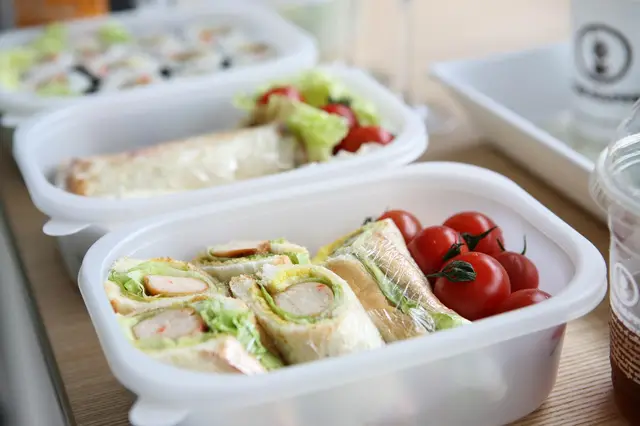
Office box lunch delivery
Prepare packed lunch boxes in a rented kitchen and deliver them to offices for meetings and team days.
- C$2k-10k
- Part-time
- Own premises
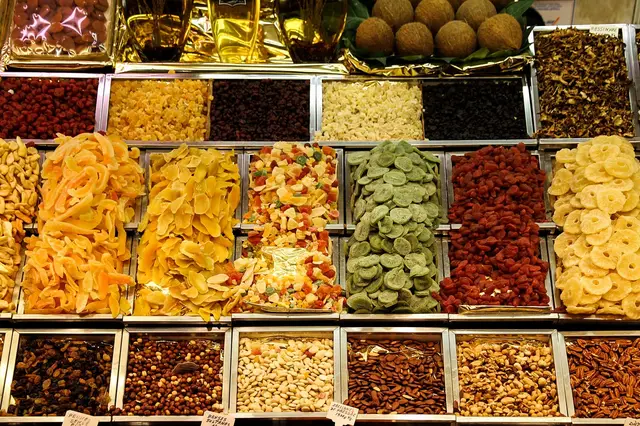
Dried fruit and nut market stall
Sell dried fruit, nuts and snack mixes at farmers' markets and seasonal fairs, without renting a shop.
- C$3k-10k
- Side hustle
- Out and about
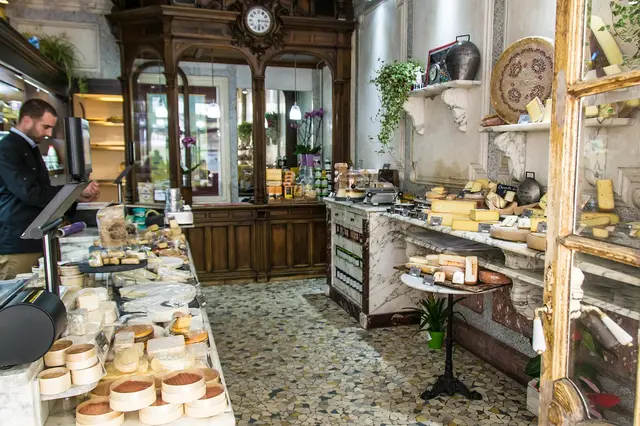
Deli platters and lunch orders
Prepare deli-style sandwich trays, meat and cheese platters and salads to order for offices and gatherings.
- C$2k-10k
- Side hustle
- Own premises
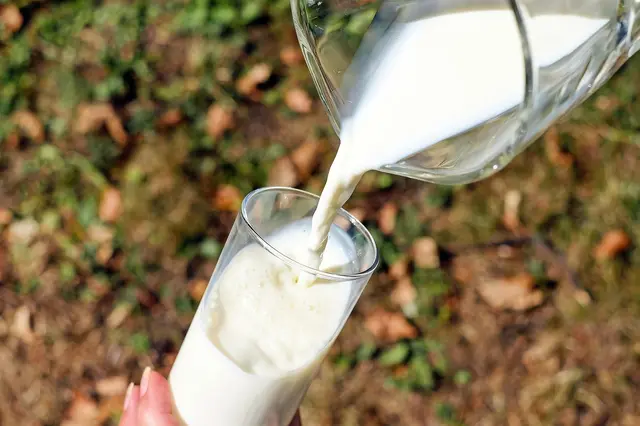
Early-morning dairy round for cafes
Buy milk, cream and butter from a licensed source and deliver to local cafes and small shops on a set weekly route.
- C$2k-8k
- Part-time
- Out and about
Ready-meal prep and delivery
Cook portioned, ready-to-heat meals in a rented kitchen and deliver them to local households.
- C$2k-10k
- Part-time
- Own premises
Photo: RitaE on Pixabay