Small-Batch Sauce and Condiment Supplier
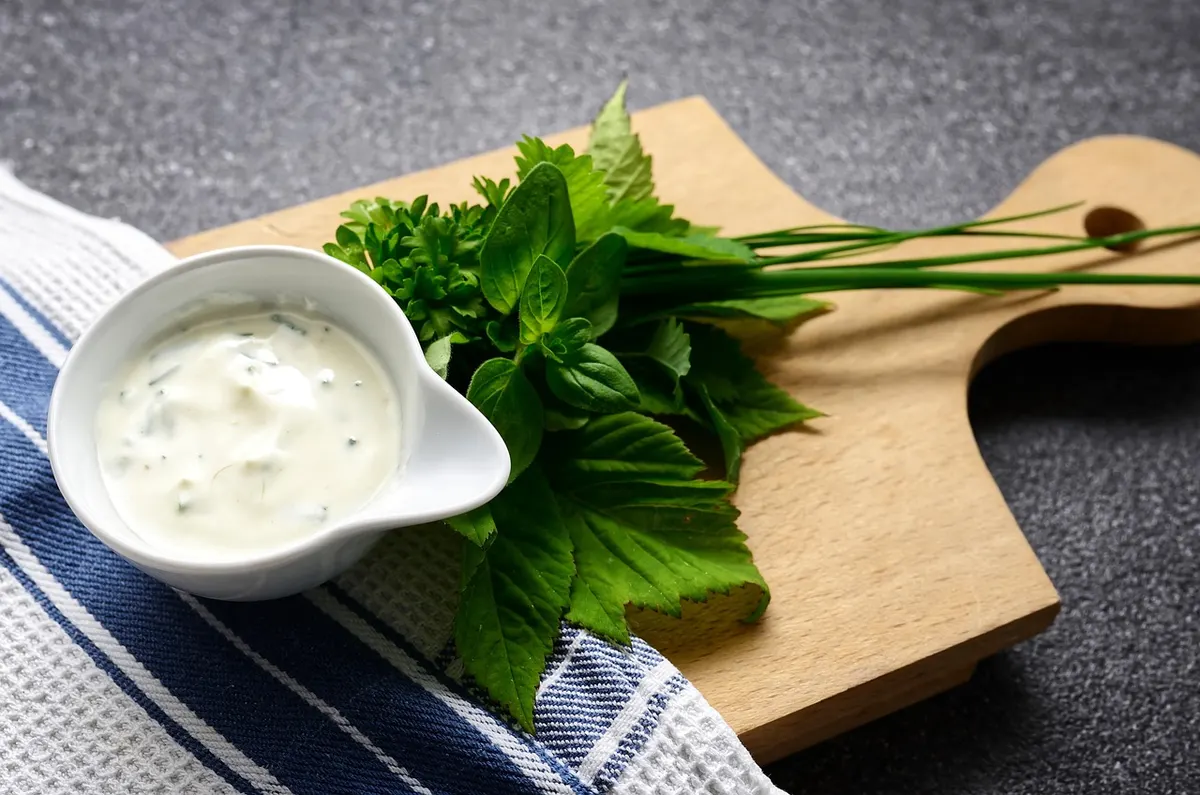
Make your own sauces and dressings in a rented licensed kitchen and sell them in bulk to local cafés and shops.
- C$2k-10k
- Side hustle
- Own premises
- Licence or permit needed
Estimates for a small start in Canada, not guarantees.
What it is
You make a small range of sauces, dressings, relishes or hot sauces in a rented commercial kitchen. You pack them in bulk tubs or jars and supply local cafés, restaurants and independent grocers.
Your first three steps
- Perfect two or three signature recipes and work out the cost per litre or jar
- Contact your local public health unit about permits and find a rentable commercial kitchen
- Take samples to five local cafés and shops and ask what size and price suit them
Who pays
Independent cafés, restaurants, delis, farm shops and small grocers who want a distinctive local product.
How it makes money
You sell by the case, tub or litre at a wholesale price, ideally with repeat weekly or monthly orders from the same customers.
Skills that help
- Cooking and recipe development
- Food safety habits
- Selling to local businesses
- Costing and pricing
Watch out for
- Food premises permit and inspection from your local public health unit, check what applies to you
- Rules on shelf-stable and acidified products, which may need a process review, check with your provincial or federal food regulator
- Labelling rules, including allergens and bilingual labels, check with the Canadian Food Inspection Agency, and Quebec's language rules if selling there
- Commercial general liability and product liability insurance
- Check whether you need a Business Number and GST/HST registration
🔒 Full research report for Canada
Real cost breakdown with current prices, licences and registration checklist, local competition, pricing, break-even and a 30-day launch plan, with sources.
Coming soonQuestions people ask
How much does it cost to start a small-batch sauce business in Canada?
Estimates suggest startup costs are typically around $2,000 to $10,000, depending on the kitchen rental, ingredients, packaging, labels and insurance. Your range of products and batch sizes will also affect the total.
What permits and labelling rules should I check for selling sauces?
Check food premises permits and inspection with your local public health unit. Ask your food regulator about shelf-stable and acidified products, and check labelling rules, including allergens and bilingual labels. Also check insurance, Business Number and GST/HST registration.
How much can a small-batch sauce supplier make each month?
Estimates suggest monthly revenue of typically around $800 to $5,000, depending on how many cafés, restaurants and grocers you supply. The time needed is estimated at a minimum of about 10 hours a week.
Other ways to run this business
Similar food ideas

Online Japanese sweets and snack boxes
Sell Japanese snacks and candy online across Canada, as single items or monthly snack boxes.
- C$2k-10k
- Side hustle
- Online
Office box lunch delivery
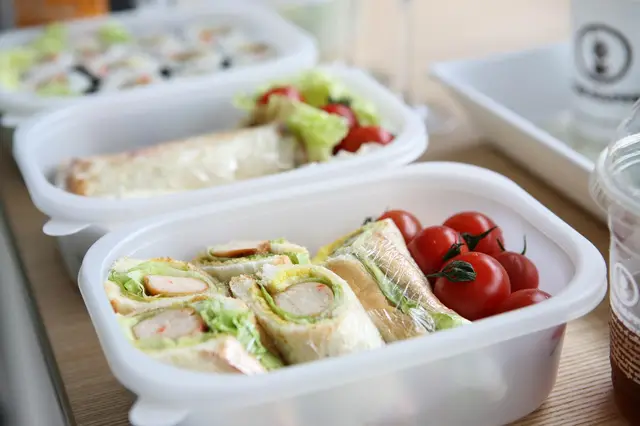
Prepare packed lunch boxes in a rented kitchen and deliver them to offices for meetings and team days.
- C$2k-10k
- Part-time
- Own premises
Dried fruit and nut market stall
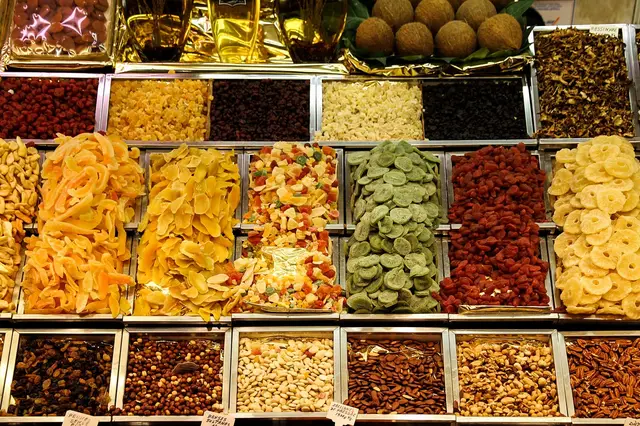
Sell dried fruit, nuts and snack mixes at farmers' markets and seasonal fairs, without renting a shop.
- C$3k-10k
- Side hustle
- Out and about

Deli platters and lunch orders
Prepare deli-style sandwich trays, meat and cheese platters and salads to order for offices and gatherings.
- C$2k-10k
- Side hustle
- Own premises
Ready-meal prep and delivery
Cook portioned, ready-to-heat meals in a rented kitchen and deliver them to local households.
- C$2k-10k
- Part-time
- Own premises
Home-run supplier of dry goods and takeout packaging
Take orders online and deliver shelf-stable ingredients and packaging to local cafes, caterers and food trucks.
- C$2k-10k
- Side hustle
- From home
Photo: congerdesign on Pixabay