Pop-up ham and charcuterie bar
Run a ham and charcuterie counter inside a brewery, wine bar or market on set nights, with no lease of your own.
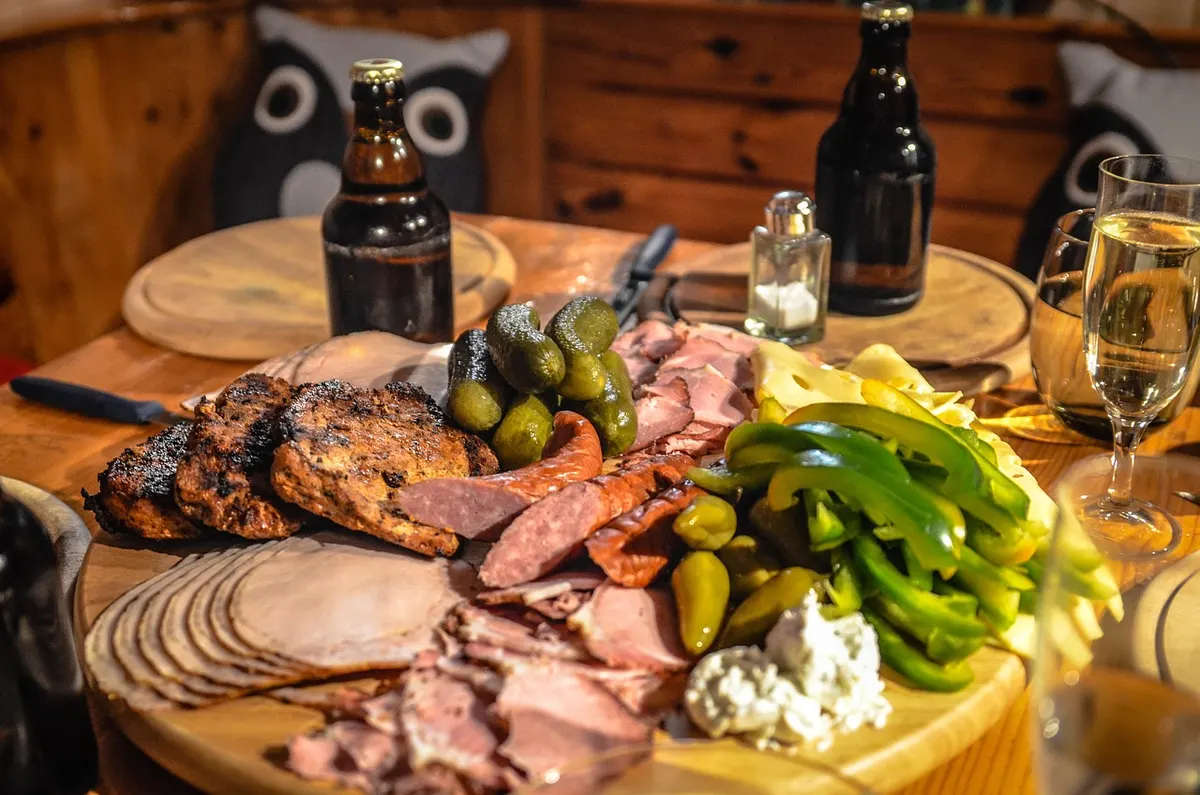
- C$4k-20k
- Side hustle
- Out and about
- Licence or permit needed
Estimates for a small start in Canada, not guarantees.
What it is
You set up a small slicing counter in a venue that already has a licence and seating, such as a brewery, cidery, wine bar or indoor market. You serve hand-sliced hams and boards to go with the host's drinks.
Your first three steps
- Contact your local public health unit about the permit or approved kitchen you would need to prepare and serve food at a host venue
- Build a short menu, cost it from licensed suppliers and test it at a friends-and-family tasting
- Pitch two or three local breweries, wine bars or markets with a simple offer such as a weekly Friday night
Who pays
The host venue's customers, plus guests at private tastings and small events.
How it makes money
Board and plate sales, either kept by you or shared with the host under an agreed split. You can add tasting nights and takeaway packs.
Skills that help
- Knife skills and food presentation
- Knowledge of cured meats and pairings
- Negotiating simple deals with venues
- Food safety habits
Watch out for
- Food permits and handler certification depend on your health unit. Check whether you can prepare food at home or need a commissary kitchen
- Let the host venue's liquor licence cover drinks, and check that your agreement does not break its licence conditions
- Commercial general liability insurance, and many venues will ask for proof of cover
- Keep cold-chain control for cured meats and dairy, and avoid cross-contamination with allergens
- Winter and quieter seasons can mean fewer customers, so build indoor or booked events into your plan
🔒 Full research report for Canada
Real cost breakdown with current prices, licences and registration checklist, local competition, pricing, break-even and a 30-day launch plan, with sources.
Coming soonQuestions people ask
How much does it cost to start a pop-up charcuterie bar?
Startup costs are typically estimated at around $4,000 to $20,000, depending on your slicing equipment, stock and display setup. Your host venue provides the space, so you avoid a lease, but check whether you need a commissary kitchen.
How much revenue can a pop-up ham bar make?
Monthly revenue is typically estimated at around $2,000 to $10,000, depending on how many nights you run and the host venue's customers. Winter and quieter seasons can mean fewer customers, so build in booked events.
What permits and rules apply to a pop-up food counter in Canada?
Check food permits and handler certification with your health unit, and whether you can prepare food at home. Make sure your agreement respects the host's liquor licence conditions, and that you have liability insurance, which many venues ask to see.
Other ways to run this business
Similar food ideas

Japanese deli market stall
Sell Japanese prepared dishes and pantry items at farmers' markets and events.
- C$5k-20k
- Side hustle
- Out and about
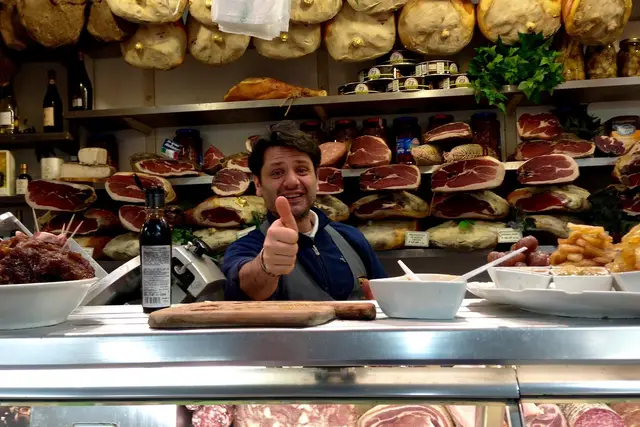
Farmers' market ham and cured meats stall
Sell hams and cured meats from a chilled market stall, with a low-cost way to test demand before renting a shop.
- C$5k-20k
- Side hustle
- Out and about

Frozen food market stall
Sell frozen meals and desserts from freezers at markets, with online pre-orders for pickup.
- C$4k-20k
- Side hustle
- Out and about

Local farm produce supplier for chefs and small shops
Gather produce from nearby farms and sell it in bulk to restaurants, caterers and food shops that want local ingredients.
- C$3k-20k
- Side hustle
- Out and about
Indian grocery delivery service
Sell Indian pantry staples online and deliver to local homes, with no shopfront to rent.
- C$3k-20k
- Side hustle
- From home
Mobile coffee cart for markets and events
Serve espresso drinks from a compact cart at farmers' markets, festivals and community events.
- C$5k-20k
- Side hustle
- Out and about
Photo: TheAngryTeddy on Pixabay