European grocery shop
Open a small shop stocking European foods, drinks and treats for local communities and curious food lovers.

- C$30k-120k
- Full-time
- Own premises
- Licence or permit needed
Estimates for a small start in Canada, not guarantees.
What it is
A small neighbourhood shop selling packaged European groceries such as preserves, pasta, biscuits, sweets, drinks, tinned goods, and often chilled items like cheese, cured meats and bread. You focus on one or a few regions, for example Polish, Ukrainian, Italian or Greek, based on who lives nearby.
Your first three steps
- Visit areas with a large community from your chosen region and check which products are missing or overpriced locally
- Contact importers and wholesalers for price lists, minimum orders and delivery terms
- Price up a small unit to rent, including fit-out, shelving and a fridge, and write a simple budget for your first six months
Who pays
People from European communities who want familiar foods, plus local food lovers, gift shoppers and home cooks looking for specialist products.
How it makes money
You buy from importers and wholesalers and sell at a mark-up. Extra income can come from gift baskets, holiday orders (such as Christmas and Easter) and a small deli counter or pre-packed ready meals.
Skills that help
- Knowing the products and what your community wants
- Buying and stock control
- Customer service
- Basic bookkeeping
Watch out for
- Food business registration or permit from your local public health unit, especially for chilled foods, deli items or repackaging
- Federal food import and labelling rules (check with the Canadian Food Inspection Agency), including bilingual labelling and rules on imported dairy and meat
- Alcohol can only be sold with the right provincial licence, and many provinces limit who can sell it, so check before stocking any
- Short shelf lives and waste on chilled and fresh items, so start with a small range
- Commercial general liability insurance and a commercial lease you fully understand
- GST/HST registration and which items are zero-rated (basic groceries often are, but many snacks and drinks are not)
Deep research report · Canada
Everything you need to start: european grocery shop
Researched with live web search for Canada: real startup prices, the licences and rules, what others charge, a break-even example, how to find your first customers and a 30-day launch plan. With sources.
- Startup costs with real prices
- Licences, registration and rules
- Pricing: what others charge
- Break-even example
- Finding your first customers
- 30-day launch plan
- Risks and how to reduce them
Questions people ask
How much does it cost to open a European grocery shop in Canada?
Startup costs are typically estimated at around $30,000 to $120,000, depending on the premises, shop fit-out, size of your opening stock and whether you add chilled items. A full-time commitment of at least about 40 hours a week is assumed.
How much can a European grocery shop earn?
Monthly revenue is typically estimated at around $12,000 to $50,000, depending on location, the community you serve and your range. These are revenue estimates, so allow for stock, rent and waste on short-life items.
What licences and rules should I check before opening?
Check food business registration with your local public health unit, Canadian Food Inspection Agency import and bilingual labelling rules, provincial licensing if you want to sell alcohol, and GST/HST registration and which items are zero-rated. Also review your lease and liability insurance.
Other ways to run this business
Similar food ideas
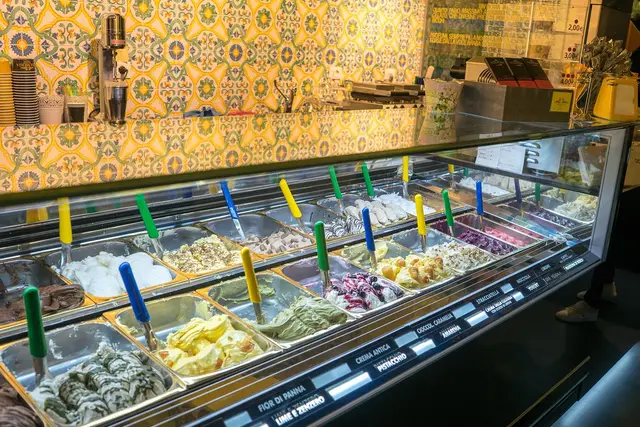
Neighbourhood ice cream scoop shop
Run a small shop scooping ice cream and frozen treats for walk-in families, tourists and locals.
- C$30k-120k
- Full-time
- Own premises
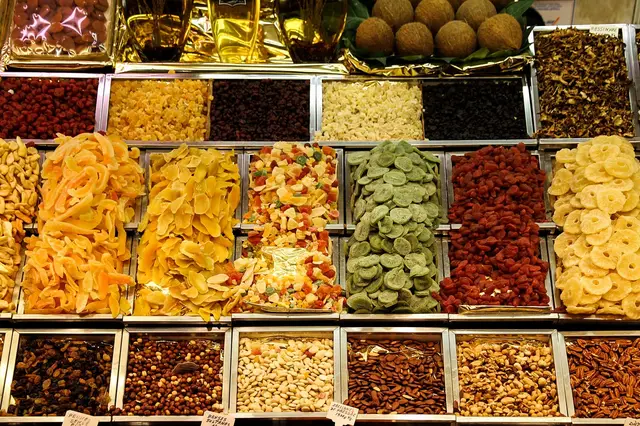
Nut and dried fruit shop
Run a small neighbourhood store selling nuts, dried fruit and baking and snack ingredients by weight.
- C$40k-120k
- Full-time
- Own premises

Small food production unit supplying retailers
Lease a small unit, fit it out as a licensed food facility and supply restaurants, shops and grocery chains.
- C$30k-120k
- Full-time
- Own premises

Neighbourhood frozen food shop
Open a small shop selling frozen meals, ingredients and desserts to local households.
- C$30k-120k
- Full-time
- Own premises
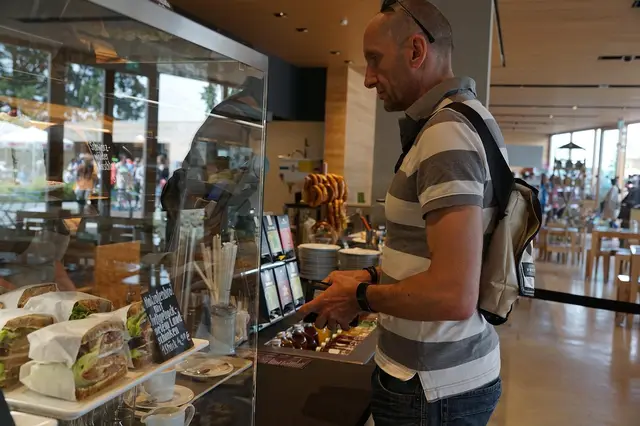
Neighbourhood sandwich shop
Make fresh sandwiches, wraps and snacks to order from a small shop for office workers and locals.
- C$30k-120k
- Full-time
- Own premises

Popcorn shop in a small retail unit
Open a small shop popping fresh flavoured popcorn for shoppers, families and gift buyers.
- C$30k-120k
- Full-time
- Own premises