Small food production unit supplying retailers
Lease a small unit, fit it out as a licensed food facility and supply restaurants, shops and grocery chains.
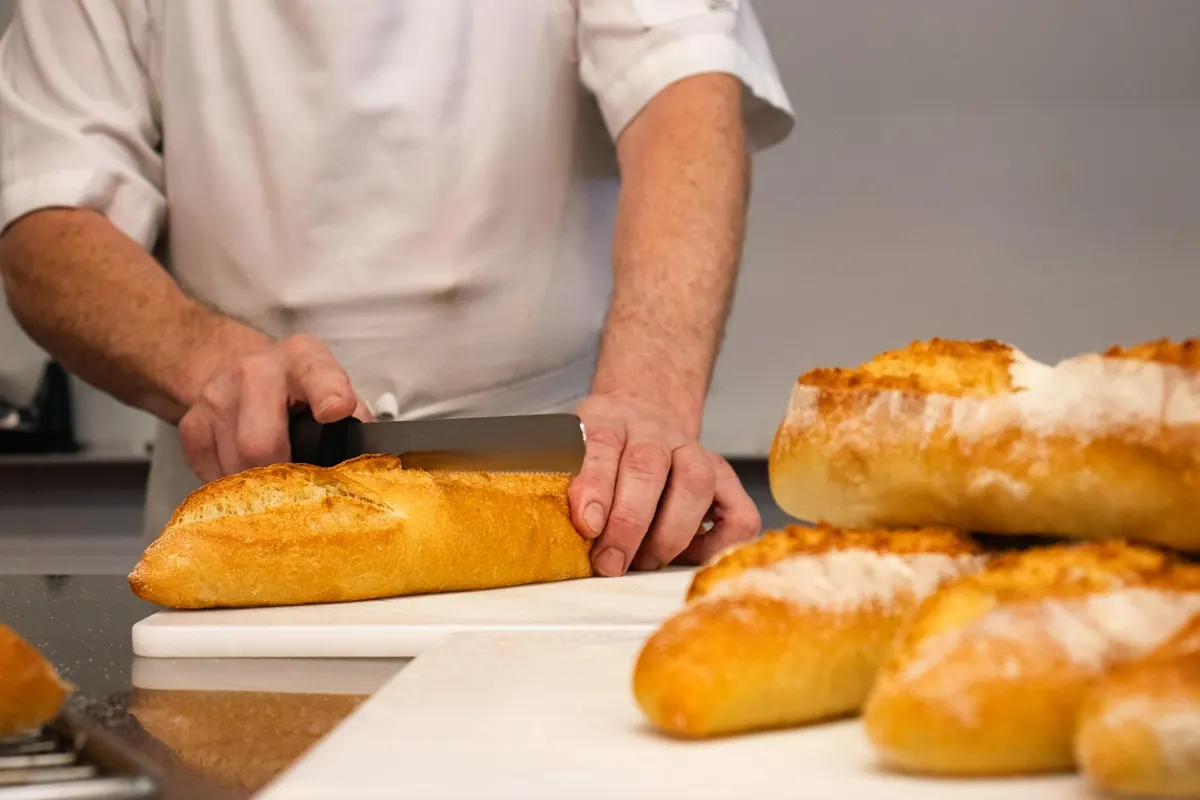
- C$30k-120k
- Full-time
- Own premises
- Licence or permit needed
Estimates for a small start in Canada, not guarantees.
What it is
You run your own small food production space making a product in volume, such as baked goods, sauces, fresh pasta or prepared meals. You supply restaurants, retailers and online customers on a regular schedule.
Your first three steps
- Prove your product first through a shared kitchen or market sales, and collect orders or letters of interest from buyers
- Contact your municipality and public health unit about zoning and facility requirements before signing any lease
- Get quotes for equipment (secondhand where possible), insurance and a lease, and build a simple cash flow plan
Who pays
Restaurants, cafés, independent grocers, caterers and sometimes larger grocery chains. Some also sell direct to consumers online or from a small shop counter.
How it makes money
Regular wholesale orders at set prices, supplemented by direct sales. Profit depends on controlling ingredient costs, wastage and labour as volume grows.
Skills that help
- Production planning and scheduling
- Food safety systems and record keeping
- Managing suppliers and staff
- Wholesale selling and costing
Watch out for
- Zoning, building and fire code approvals, and a food premises permit with plan review and inspection, check with your municipality and public health unit
- A Safe Food for Canadians licence from the CFIA may be needed for interprovincial trade or export, and larger buyers may ask for a written food safety plan
- Equipment, fit-out and lease costs can add up quickly, so check ventilation, drainage and utility requirements before committing
- Workers' compensation coverage once you hire (rules by province), plus product liability and property insurance
- Ingredient prices and large buyers' payment terms can squeeze cash flow
- Cold winters and seasonal demand can change volumes and delivery logistics
Deep research report · Canada
Everything you need to start: small food production unit supplying retailers
Researched with live web search for Canada: real startup prices, the licences and rules, what others charge, a break-even example, how to find your first customers and a 30-day launch plan. With sources.
- Startup costs with real prices
- Licences, registration and rules
- Pricing: what others charge
- Break-even example
- Finding your first customers
- 30-day launch plan
- Risks and how to reduce them
Questions people ask
How much does it cost to start a small food production unit?
Estimates suggest startup costs typically around $30,000 to $120,000, depending on the lease, fit-out, equipment and utility requirements. Costs can add up quickly, so check ventilation, drainage and utility needs before committing to a unit.
How much revenue can a small food production unit make?
Monthly revenue is typically estimated at around $8,000 to $35,000, depending on your products, number of wholesale customers and production volume. That is revenue, not profit. The business is estimated to need about 35 hours a week or more.
What approvals should I check before opening a food production unit?
Check zoning, building and fire code approvals, and a food premises permit with plan review and inspection. Also check whether a Safe Food for Canadians licence applies to interprovincial trade, plus insurance and workers' compensation coverage once you hire.
Other ways to run this business

Home kitchen food producer
Make a small range of baked goods, preserves or snacks at home and sell them at markets and online.
- C$600-3k
- Side hustle
- From home

Small-batch food brand from a shared kitchen
Rent hourly time in a licensed commercial kitchen to make a packaged product for local shops and cafés.
- C$3k-15k
- Part-time
- Own premises
Similar food ideas
Neighbourhood ice cream scoop shop
Run a small shop scooping ice cream and frozen treats for walk-in families, tourists and locals.
- C$30k-120k
- Full-time
- Own premises
Nut and dried fruit shop
Run a small neighbourhood store selling nuts, dried fruit and baking and snack ingredients by weight.
- C$40k-120k
- Full-time
- Own premises

Neighbourhood frozen food shop
Open a small shop selling frozen meals, ingredients and desserts to local households.
- C$30k-120k
- Full-time
- Own premises
Neighbourhood sandwich shop
Make fresh sandwiches, wraps and snacks to order from a small shop for office workers and locals.
- C$30k-120k
- Full-time
- Own premises

Popcorn shop in a small retail unit
Open a small shop popping fresh flavoured popcorn for shoppers, families and gift buyers.
- C$30k-120k
- Full-time
- Own premises
Fresh juice and smoothie bar
Run a small counter-service shop selling fresh juices and smoothies to locals, office workers and gym-goers.
- C$30k-120k
- Full-time
- Own premises
Photo: Storme22k on Pixabay