Small-Batch food brand from a shared kitchen
Rent hourly time in a licensed commercial kitchen to make a packaged product for local shops and cafés.
- C$3k-15k
- Part-time
- Own premises
- Licence or permit needed
Estimates for a small start in Canada, not guarantees.
What it is
You develop a shelf-stable or chilled product, such as sauces, granola, frozen meals or baked goods, and produce it in batches in a rented, licensed commissary kitchen. You package it with proper labels and sell it wholesale and direct.
Your first three steps
- Tour two or three shared or commissary kitchens near you and ask about hourly rates, storage and what permits they require
- Finalize one hero product, run a test batch and cost it per unit at wholesale and retail prices
- Contact your public health unit about your food business permit and have your labels checked against Canadian labelling rules
Who pays
Independent grocers, cafés, specialty food shops, restaurants and online customers. Some also sell through farmers' markets and local delivery boxes.
How it makes money
Wholesale sales at a lower price per unit to shops, plus higher-priced direct sales at markets and online. You pay for kitchen time by the hour or month.
Skills that help
- Recipe development and consistent batch production
- Costing and pricing for wholesale
- Food safety and record keeping
- Pitching to shop buyers
Watch out for
- A food premises permit from your local public health unit, often linked to the kitchen you use, so confirm who holds it
- Labelling rules, including nutrition facts tables, allergens and bilingual labelling, and shelf life testing for some products
- A federal Safe Food for Canadians licence may be needed if you sell across provincial borders or export, check with the CFIA
- Product liability insurance, which shops often require before stocking you
- Buyer payment terms can be slow, so keep enough cash to cover ingredients and packaging
- Kitchen booking slots can fill up, which limits how fast you can grow
Deep research report · Canada
Everything you need to start: small-batch food brand from a shared kitchen
Researched with live web search for Canada: real startup prices, the licences and rules, what others charge, a break-even example, how to find your first customers and a 30-day launch plan. With sources.
- Startup costs with real prices
- Licences, registration and rules
- Pricing: what others charge
- Break-even example
- Finding your first customers
- 30-day launch plan
- Risks and how to reduce them
Questions people ask
How much does it cost to start a small-batch food brand?
Estimates suggest startup costs typically around $3,000 to $15,000, depending on kitchen rental, packaging and labelling, ingredients and insurance. Your costs will depend on your product and how much you make per batch.
How much revenue can a small-batch food brand make?
Monthly revenue is typically estimated at around $1,500 to $7,500, depending on your product, wholesale and direct sales, and how many kitchen slots you can book. That is revenue, not profit. Expect about 15 hours a week or more.
What permits and rules should I check for selling packaged food?
Check the food premises permit from your local public health unit and who holds it for the shared kitchen. Also check labelling rules, including allergens and bilingual labels, and whether a CFIA Safe Food for Canadians licence applies to interprovincial sales.
Other ways to run this business

Home kitchen food producer
Make a small range of baked goods, preserves or snacks at home and sell them at markets and online.
- C$600-3k
- Side hustle
- From home

Small food production unit supplying retailers
Lease a small unit, fit it out as a licensed food facility and supply restaurants, shops and grocery chains.
- C$30k-120k
- Full-time
- Own premises
Similar food ideas

Small-batch soy sauce from a shared kitchen
Brew craft soy sauce in rented commercial kitchen space and sell it at markets, local shops and to chefs.
- C$4k-15k
- Side hustle
- Own premises
Online Japanese pantry store
Sell Japanese sauces, snacks and ingredients online, shipped to customers across Canada.
- C$3k-15k
- Side hustle
- Online
Online Italian pantry and gift boxes
Sell Italian pasta, oils and treats online, with curated gift boxes and local delivery or shipping.
- C$3k-15k
- Side hustle
- Online
Online specialty soda store with local delivery
Sell craft sodas and mixers online, deliver locally and supply nearby cafés and bars from a small storage space.
- C$3k-15k
- Side hustle
- Online
Pop-up cosplay café on weekends
Run a themed café for a day or weekend in a rented space or at a fan event, with costumed staff.
- C$3k-15k
- Side hustle
- Out and about
Part-time rice supply round
Buy sealed sacks of rice from a larger supplier and deliver to a handful of local restaurants and shops each week.
- C$3k-15k
- Side hustle
- Out and about
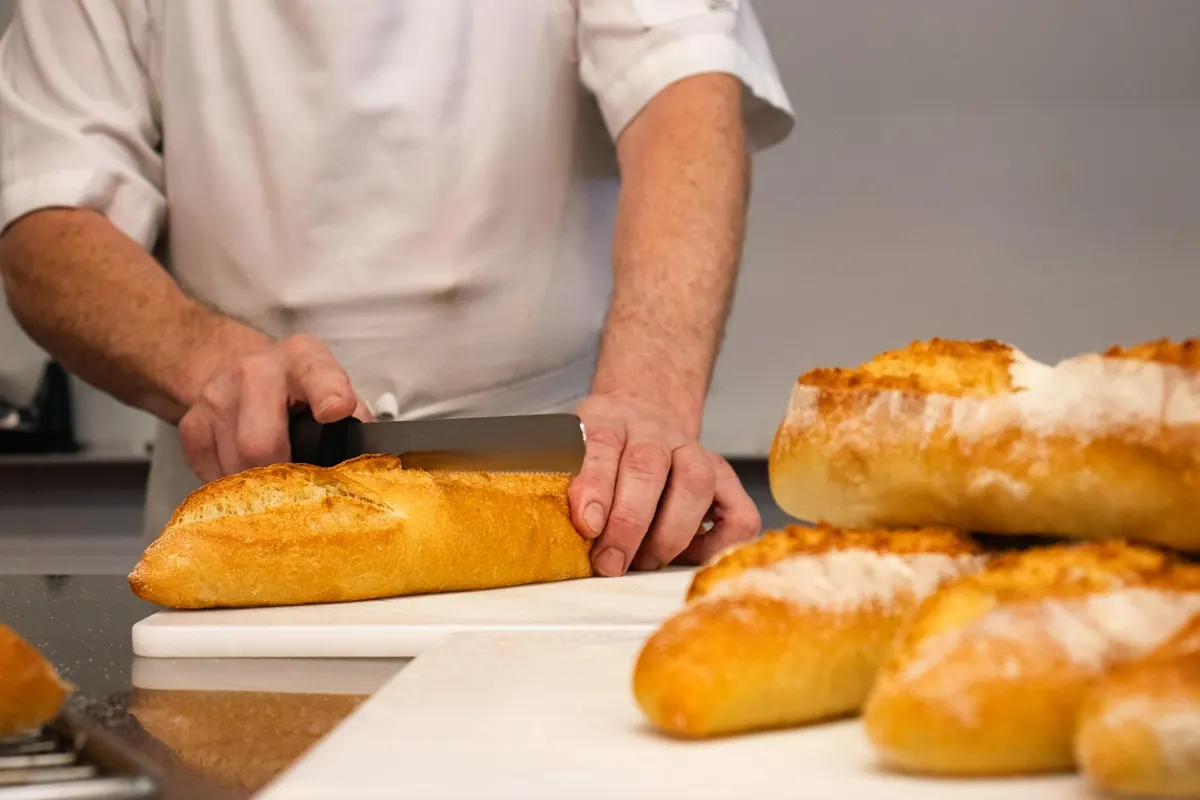
Photo: Storme22k on Pixabay