Small fitness equipment supplier for studios
Stock bands, mats, weights and accessories and sell in bulk to studios, clinics and retailers.
- C$4k-20k
- Side hustle
- From home
Estimates for a small start in Canada, not guarantees.
What it is
You buy smaller fitness items such as resistance bands, mats, kettlebells, foam rollers and yoga props from manufacturers or importers. You store them at home or in a small storage unit and sell in bulk to businesses.
Your first three steps
- Pick a niche, such as yoga, strength or rehab, and compare trade prices from several suppliers
- Order samples, set wholesale prices and put together a simple online catalogue or price list
- Contact local studios, clinics and shops with a sample offer and a small minimum order
Who pays
Yoga and pilates studios, small gyms, personal trainers, physio and chiropractic clinics, recreation centres and independent sports shops.
How it makes money
You buy at a trade price and sell at a wholesale price with a margin. Repeat orders from regular customers and bundles for new studios bring steady sales.
Skills that help
- Selling to businesses
- Organising stock and orders
- Negotiating with suppliers
- Basic bookkeeping
Watch out for
- Import duties, customs brokerage and GST/HST on imported goods, and how exchange rates and tariffs affect your margins
- Product safety and labelling rules for items you resell, including bilingual labelling, so check with Health Canada and the Competition Bureau
- Commercial general liability and product liability insurance
- Cash tied up in stock and slow-paying customers, so start with small orders
- Whether your municipality allows stock storage and deliveries from a home-based business
Deep research report · Canada
Everything you need to start: small fitness equipment supplier for studios
Researched with live web search for Canada: real startup prices, the licences and rules, what others charge, a break-even example, how to find your first customers and a 30-day launch plan. With sources.
- Startup costs with real prices
- Licences, registration and rules
- Pricing: what others charge
- Break-even example
- Finding your first customers
- 30-day launch plan
- Risks and how to reduce them
Questions people ask
How much does it cost to start a fitness equipment supply business?
Estimates suggest startup costs typically run around $4,000 to $20,000, depending on how much stock you buy, such as bands, mats and weights, and whether you need a storage unit.
How much can a small fitness equipment supplier earn?
Monthly revenue is typically estimated at around $2,000 to $10,000, depending on your range, order sizes and how many studios, clinics and shops you supply.
What rules should I check before importing fitness equipment to resell?
Check import duties, customs brokerage and GST/HST on imported goods. Also check product safety and labelling rules with Health Canada and the Competition Bureau, including bilingual labelling, plus insurance and whether your municipality allows home stock storage.
Other ways to run this business
Similar sports and fitness ideas
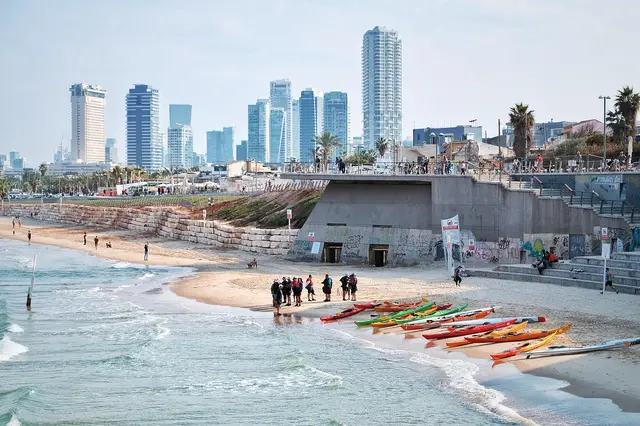
Mobile kayak and paddleboard hire
Tow a trailer of kayaks and paddleboards to lakes and beaches and rent them by the hour or day.
- C$5k-20k
- Side hustle
- Out and about

Private group rafting trips
Guide pre-booked groups on a river you know well, using leased or shared rafts instead of a full base.
- C$4k-20k
- Side hustle
- Out and about
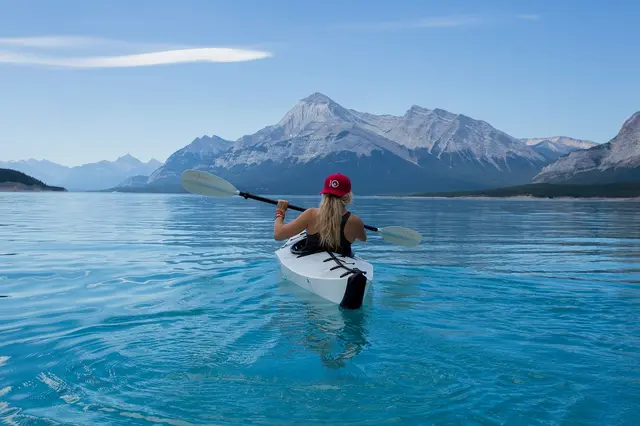
Mobile kayak and canoe rental delivery
Trailer kayaks and canoes to cottages, campsites and launch points, so customers can paddle without owning gear.
- C$4k-20k
- Side hustle
- Out and about
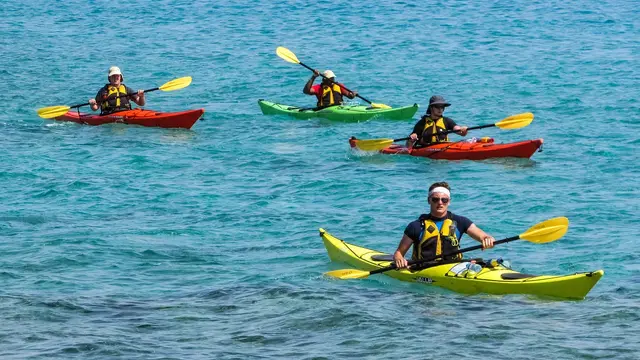
Guided canoe and kayak day tours
Lead small guided paddling trips on a local lake or river for visitors and locals in the warm months.
- C$6k-25k
- Side hustle
- Out and about
Member-run water ski club
Start a small seasonal club where members chip in for boat time, coaching and fun events on a local lake.
- C$5k-25k
- Side hustle
- Out and about
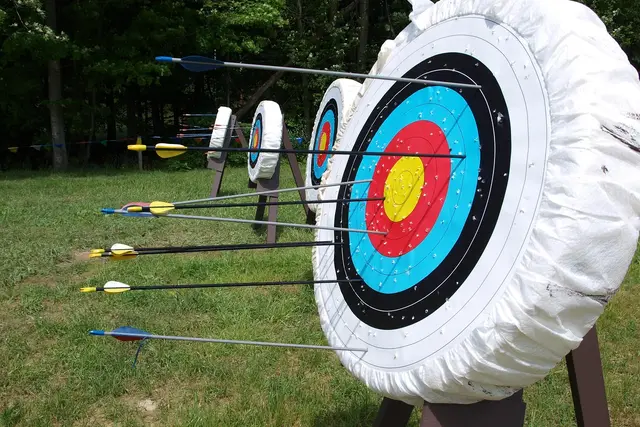
Seasonal outdoor archery range
Set up a target range on your own or leased rural land and open for booked sessions in the warmer months.
- C$5k-25k
- Side hustle
- Own premises