Solo flooring installer for homes and rentals
Fit vinyl plank, laminate and carpet for homeowners and landlords, one room or one unit at a time.
- C$2.5k-10k
- Part-time
- Out and about
Estimates for a small start in Canada, not guarantees.
What it is
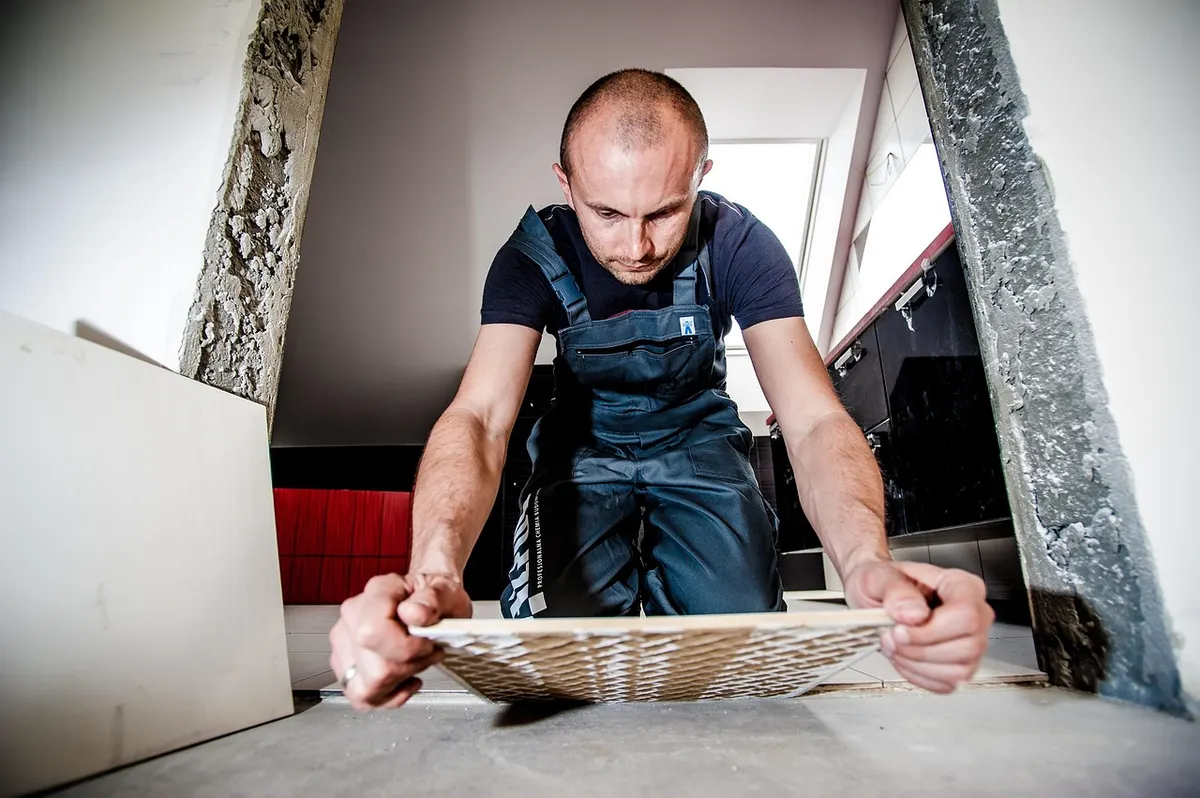
You install floating vinyl plank, laminate and carpet, usually in homes, condos and rental units. You lift old flooring, prep the subfloor and fit the new floor, with the customer or you buying the materials.
Your first three steps
- Practise on a spare room or a friend's project, and work with an experienced installer if you can to learn subfloor prep
- Buy a core tool kit (knee kickers, saws, tapping block, underlayment tools) and arrange a work vehicle
- Contact local landlords, property managers and renovators with a clear price per square foot and photos of your work
Who pays
Homeowners doing renovations, landlords turning over units, property managers and small renovation firms that need extra hands.
How it makes money
Price per square foot for labour, plus a margin on materials if you supply them. Repeat work from landlords and property managers helps keep your calendar full.
Skills that help
- Accurate measuring and cutting
- Physical fitness for kneeling and lifting
- Clear quotes and customer communication
Watch out for
- Commercial general liability insurance, and check whether you need WCB/WSIB coverage in your province
- Check whether your province or municipality requires a business licence or trade registration for flooring work
- Poor subfloor prep can cause failures that you pay to fix, so build in time and a warranty policy
- Dust, adhesives and heavy lifting: check safety guidance and use proper protection
- Register for GST/HST once you pass the small supplier threshold
🔒 Full research report for Canada
Real cost breakdown with current prices, licences and registration checklist, local competition, pricing, break-even and a 30-day launch plan, with sources.
Coming soonQuestions people ask
How much does it cost to start a flooring installation business in Canada?
Estimates suggest startup costs are typically around $2,500 to $10,000, depending on your tools, vehicle needs and insurance. Costs vary with the equipment you already own.
What licences or rules should a flooring installer check in Canada?
Check whether your province or municipality requires a business licence or trade registration for flooring work, plus commercial general liability insurance, WCB/WSIB coverage and GST/HST registration. Also check safety guidance for dust, adhesives and heavy lifting.
How much can a solo flooring installer earn?
Estimates suggest monthly revenue is typically around $2,000 to $9,000, depending on how many jobs you take and your pricing. The estimates assume at least about 15 hours a week.
Other ways to run this business
Similar trades ideas
Part-time deck builder
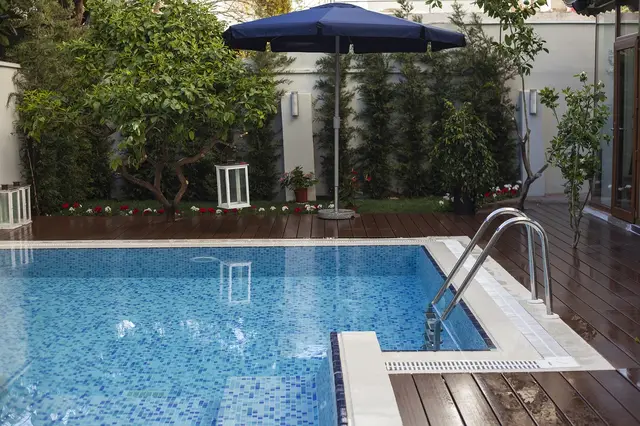
Build and repair small timber decks for homeowners on weekends and evenings during the warm months.
- C$2.5k-10k
- Side hustle
- Out and about
Home-based lighting supplier to electricians
Sell lighting to local electricians and contractors, using supplier drop-shipping and a small stock of fast sellers.
- C$2k-10k
- Side hustle
- From home
Prefab garage kit installer
Assemble prefabricated garage kits on site for homeowners who buy online or from big-box stores.
- C$2k-10k
- Side hustle
- Out and about

Home-based light bulb and lamp supplier
Stock popular LED bulbs and lamps at home and supply electricians, shops and property managers.
- C$2k-10k
- Side hustle
- From home

Online solar kit shop for cabins, RVs and DIY
Sell certified solar panels, inverters and mounting kits online to off-grid, cabin and RV owners, often shipped direct from suppliers.
- C$2k-10k
- Side hustle
- Online

Subcontract excavation with rented machine
Start digging for builders and landscapers by renting a machine per job, with no big equipment purchase.
- C$2k-10k
- Side hustle
- Out and about
Photo: jarmoluk on Pixabay