Food exporter with own stock and small unit
Hold a range of Canadian products in a small rented unit and ship mixed orders to overseas distributors.

- C$60k-250k
- Full-time
- Own premises
- Licence or permit needed
Estimates for a small start in Canada, not guarantees.
What it is
You rent a small storage or light industrial unit, buy a range of products in bulk and keep them in stock. You pack, label and ship mixed pallets or containers to overseas buyers who prefer one supplier for several products.
Your first three steps
- Line up two or three overseas buyers who would commit to trial orders before you rent space
- Get quotes for a small unit, pallet racking and freight forwarding, and work out your cost per pallet shipped
- Speak to the CFIA and your local public health unit about the licences and storage standards your unit and activities need
Who pays
Overseas distributors, supermarkets, specialty grocers and restaurant suppliers that want a regular mixed supply from Canada.
How it makes money
Bulk-buy discounts and a margin on each order, plus fees for packing, labelling or mixed pallets. Regular contracts give steadier income than one-off orders.
Skills that help
- Sales and relationship building
- Stock control and logistics
- Understanding food labelling and safe storage
- Cash flow planning
Watch out for
- Startup budget needs to cover more than the unit: initial stock, deposits, racking, packaging and several months of working capital while buyers pay, so plan carefully
- Safe Food for Canadians licence, preventive control and traceability requirements, check what applies to your products
- Storing food may need inspection or a permit from your local public health unit, check before signing a lease
- Stock tied up in cash: slow-paying buyers or expiring products can hurt quickly
- Check destination-country import rules, product shelf life and shipping temperature needs
- Commercial general liability and product liability insurance, plus WCB/WSIB if you hire, check by province
- Winter road and port delays can affect delivery timing
Deep research report · Canada
Everything you need to start: food exporter with own stock and small unit
Researched with live web search for Canada: real startup prices, the licences and rules, what others charge, a break-even example, how to find your first customers and a 30-day launch plan. With sources.
- Startup costs with real prices
- Licences, registration and rules
- Pricing: what others charge
- Break-even example
- Finding your first customers
- 30-day launch plan
- Risks and how to reduce them
Questions people ask
How much does it cost to start a food export business with a warehouse?
Startup costs are typically estimated at around $60,000 to $250,000, depending on the unit, deposits, racking, packaging, initial stock and the working capital you need while buyers pay.
How much revenue can a food exporter with its own stock make?
Monthly revenue is typically estimated at around $10,000 to $50,000, depending on your product range, buyers and order sizes. These are revenue estimates before stock and running costs, and slow-paying buyers can strain cash flow.
What licences and rules should I check before storing and exporting food?
Check Safe Food for Canadians licence, preventive control and traceability requirements for your products, and whether your local public health unit requires an inspection or permit before you sign a lease. Also check destination import rules, insurance and WCB/WSIB if you hire.
Other ways to run this business
Similar food ideas
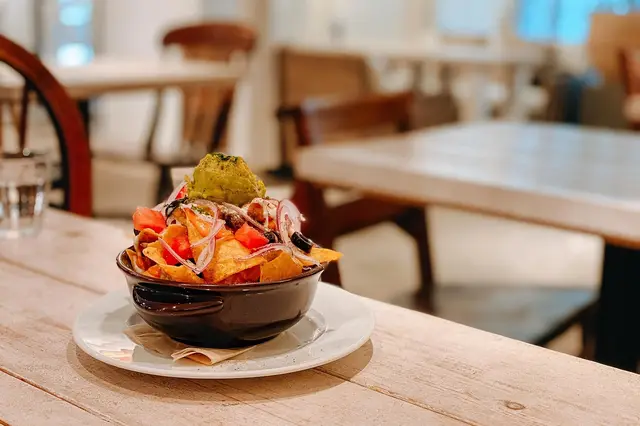
Small plant-based neighbourhood restaurant
Run a small eat-in and takeout restaurant serving fully vegan meals to local diners.
- C$60k-250k
- Full-time
- Own premises
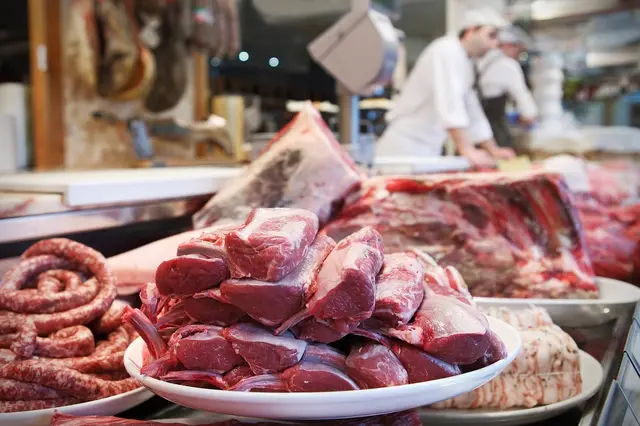
Neighbourhood butcher shop
Open a small counter-service shop selling fresh cuts, sausages and prepared meats to local households and restaurants.
- C$60k-250k
- Full-time
- Own premises

Meat wholesale unit with cold room and cutting
Run a small licensed unit that stores, portions and supplies meat to food businesses.
- C$60k-250k
- Full-time
- Own premises
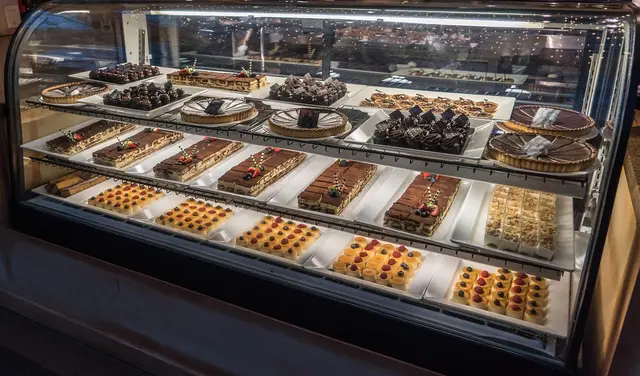
Neighbourhood cake shop
Open a small shop selling ready-made cakes and slices, plus custom orders for local celebrations.
- C$80k-250k
- Full-time
- Own premises

Mineral water distributor with a small warehouse
Rent a small unit, stock several water brands and supply hotels, offices and shops across your region.
- C$80k-250k
- Full-time
- Own premises
Cat cafe with a rescue partner
Open a small cafe where guests pay to relax with adoptable cats from a local rescue.
- C$60k-250k
- Full-time
- Own premises