Home-Based Canadian food export trader
Buy Canadian specialty foods from small producers and sell them to overseas importers, working from home.

- C$1.5k-8k
- Side hustle
- From home
- Licence or permit needed
Estimates for a small start in Canada, not guarantees.
What it is
You act as the middle step between Canadian food makers and buyers abroad. You pick a niche, such as maple products, sauces, snacks or seafood. You find overseas importers or distributors, then arrange orders, paperwork and shipping through a freight forwarder. You buy stock only once a buyer has committed.
Your first three steps
- Pick one product category and one or two target countries, then check that country's import rules for that food
- Talk to a few Canadian producers about wholesale prices, minimum orders and whether they already export
- Contact a freight forwarder or customs broker, and look up export support from Trade Commissioner Service and Export Development Canada
Who pays
Importers, distributors, specialty retailers and online food shops in other countries that want Canadian products.
How it makes money
You buy from producers at one price and sell to the overseas buyer at a higher price, keeping the margin after shipping, paperwork and bank costs. Repeat orders from the same buyers matter most.
Skills that help
- Sales and negotiation by email and video call
- Organising paperwork and shipments
- Researching overseas markets
- Careful with numbers and exchange rates
Watch out for
- Check whether you need a Safe Food for Canadians licence from the CFIA for exporting, and whether the producer's licence covers your sales
- Each destination country has its own labelling, ingredient and certificate rules, check before you quote
- Payment risk: consider deposits, letters of credit or export credit insurance rather than shipping unpaid
- Check provincial business registration, GST/HST treatment of exports and commercial liability insurance with a broker
- Alcohol and some products such as meat and dairy face stricter export rules, check before choosing them
- Check whether your municipality requires a home-based business licence
Deep research report · Canada
Everything you need to start: home-based Canadian food export trader
Researched with live web search for Canada: real startup prices, the licences and rules, what others charge, a break-even example, how to find your first customers and a 30-day launch plan. With sources.
- Startup costs with real prices
- Licences, registration and rules
- Pricing: what others charge
- Break-even example
- Finding your first customers
- 30-day launch plan
- Risks and how to reduce them
Questions people ask
How much does it cost to start a food export business from home?
Startup costs are typically estimated at around $1,500 to $8,000, depending on the products you choose, samples, paperwork and shipping set-up. You buy stock only once a buyer has committed.
How much revenue can a home-based food export trader make?
Monthly revenue is typically estimated at around $2,000 to $10,000, depending on your products, buyers and order sizes. These are revenue estimates before product costs, shipping and tax, and payment timing can vary.
What licences and rules should I check before exporting food?
Check whether you need a Safe Food for Canadians licence from the CFIA, and each destination country's labelling and certificate rules. Also check payment risk protection, GST/HST treatment of exports, insurance, and stricter rules for alcohol, meat and dairy.
Other ways to run this business
Similar food ideas

Early-morning dairy round for cafes
Buy milk, cream and butter from a licensed source and deliver to local cafes and small shops on a set weekly route.
- C$2k-8k
- Part-time
- Out and about
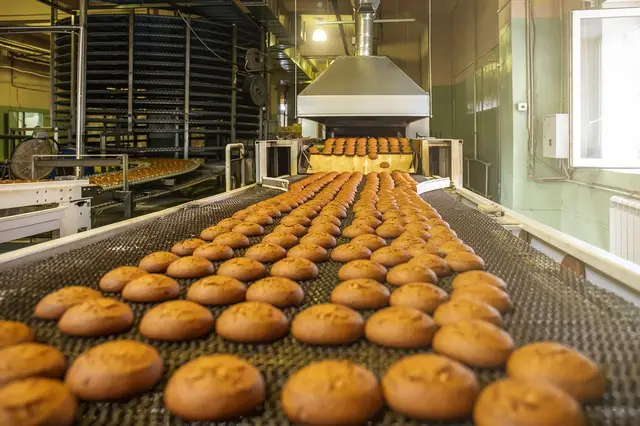
Small-batch food products from a shared kitchen
Make sauces, granola or baked goods in a rented commercial kitchen and sell to shops, cafés and online.
- C$2k-8k
- Side hustle
- Own premises

Market stall patisserie
Bake in a rented commercial kitchen and sell pastries at weekend farmers' markets and local events.
- C$2k-8k
- Side hustle
- Out and about

Pretzel stall for markets and events
Bake soft pretzels and sell them with dips at farmers' markets, fairs and local events.
- C$2k-8k
- Side hustle
- Out and about

Online popcorn gifts and bulk orders
Sell flavoured popcorn tins and party favours online to gift buyers and local businesses.
- C$2k-8k
- Side hustle
- Online

Event dessert buffet service
Set up styled sweet tables and dessert buffets for weddings, birthdays and corporate events.
- C$2k-8k
- Side hustle
- Out and about