Small-Scale kerosene delivery to homes and sites
Deliver kerosene in approved drums and totes to cottages, farms and work sites that don't need a full tanker.
- C$8k-40k
- Side hustle
- Out and about
- Licence or permit needed
Estimates for a small start in Canada, not guarantees.
What it is
You buy kerosene from a wholesale or bulk supplier and deliver it in approved containers or small transfer tanks on a pickup or small truck. Customers use it for heaters, lamps, stoves and site equipment.
Your first three steps
- Take Transportation of Dangerous Goods (TDG) training and ask a bulk fuel wholesaler about opening a supply account
- Price your vehicle setup with approved containers or a transfer tank, and get quotes for commercial liability insurance that covers fuel
- Contact rural households, farms and small contractors within about an hour's drive and offer a first delivery
Who pays
Rural homeowners, cottage owners, farms, workshops, construction crews and ice-fishing or hunting camps.
How it makes money
You sell fuel per litre at a margin above your wholesale cost, plus a delivery fee. Repeat customers who reorder before and during winter keep the work steady.
Skills that help
- Safe handling of flammable liquids
- Driving and route planning
- Reliable customer service
Watch out for
- Check which provincial fuel safety regulator and municipal rules apply to selling and transporting kerosene where you live
- TDG rules for carrying fuel, including container approvals, labelling and training, need checking before you load
- Make sure insurance covers fuel handling and spills, as some standard policies exclude them
- Demand is strongly seasonal, so plan cash flow for summer
- Have a spill kit and know your provincial spill reporting rules
🔒 Full research report for Canada
Real cost breakdown with current prices, licences and registration checklist, local competition, pricing, break-even and a 30-day launch plan, with sources.
Coming soonQuestions people ask
How much does it cost to start a small kerosene delivery business?
Startup costs are typically around $8,000 to $40,000, depending on your vehicle, approved containers or transfer tanks and first fuel purchases. Monthly revenue is estimated at around $2,000 to $10,000. Demand is strongly seasonal, so plan cash flow for summer.
What rules should I check before delivering kerosene in Canada?
Check which provincial fuel safety regulator and municipal rules apply to selling and transporting kerosene where you live. Check TDG rules on container approvals, labelling and training before you load. Confirm your insurance covers fuel handling and spills, and know your provincial spill reporting rules.
What skills and time does a kerosene delivery business need?
You need safe handling of flammable liquids, driving and route planning, and reliable customer service. The estimate is at least around 15 hours a week. Keep a spill kit on board and plan for strongly seasonal demand.
Other ways to run this business
Similar transport ideas
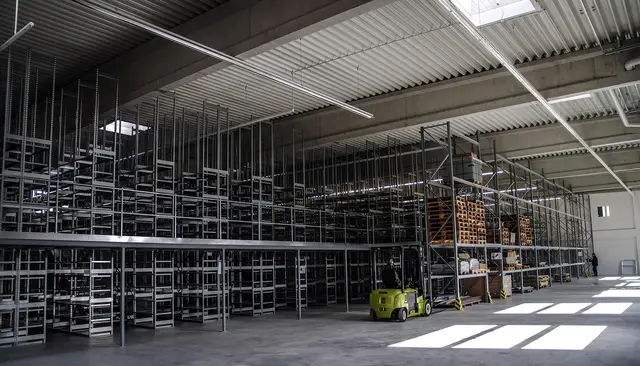
Small pallet storage and handling warehouse
Lease a small industrial unit and rent out pallet space to local businesses that need storage.
- C$8k-40k
- Part-time
- Own premises
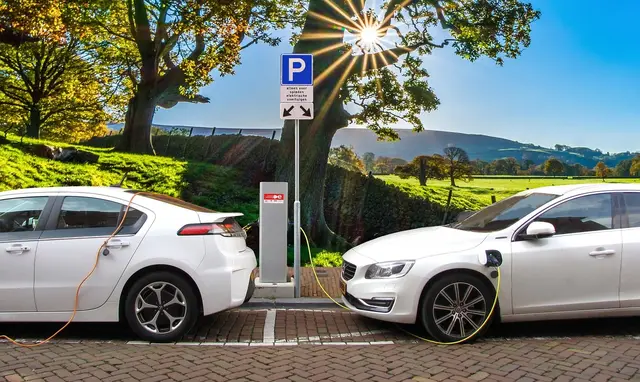
Level 2 EV charging at local host sites
Install a few pay-to-use chargers at a shop, motel or lot and earn from each charging session.
- C$8k-40k
- Side hustle
- Own premises
Airport and corporate chauffeur service
Drive business travellers and airport passengers in your own clean, comfortable car, on pre-booked trips.
- C$8k-40k
- Part-time
- Out and about
Small van school shuttle for families
Drive a small group of pupils to and from school in a van, paid by parents or a private school.
- C$8k-40k
- Side hustle
- Out and about
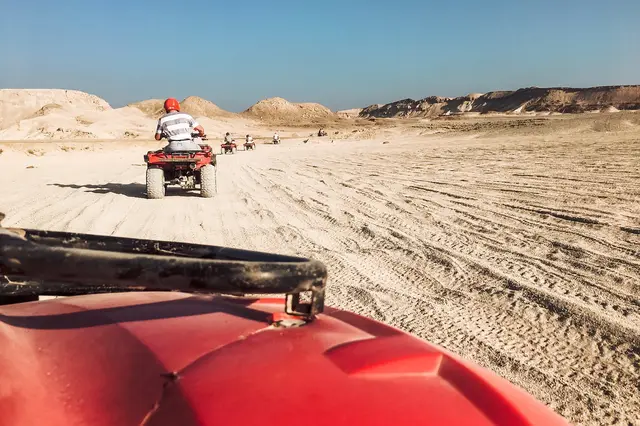
Guided ATV rides at a campground or lodge
Bring a few ATVs on a trailer and run guided rides on a campground, resort or farm's land.
- C$12k-40k
- Side hustle
- Out and about

Small car fleet rented through apps
Buy a few vehicles and rent them out by the day through car-sharing apps, run from home.
- C$8k-40k
- Side hustle
- From home