Local supplier of measuring instruments to workshops
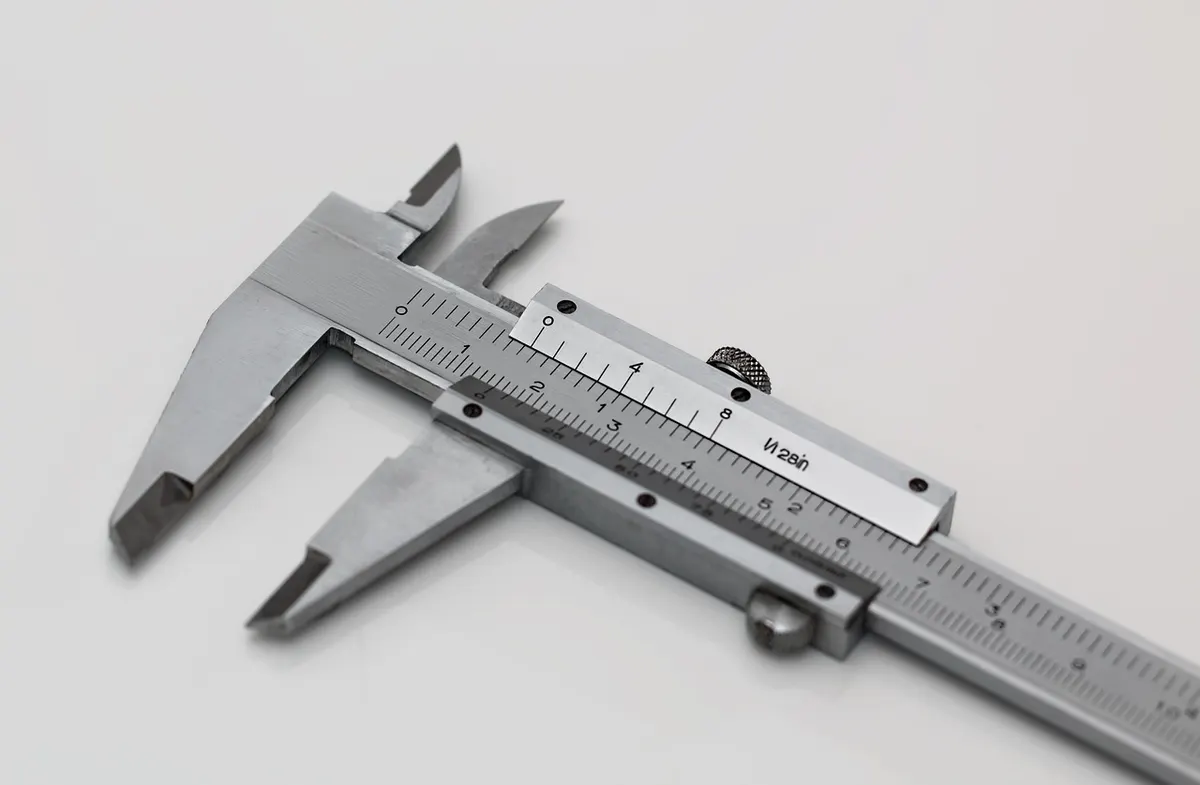
Visit machine shops, labs and contractors to supply measuring tools, restock regularly and advise on the right instrument.
- C$5k-25k
- Part-time
- Out and about
Estimates for a small start in Canada, not guarantees.
What it is
A business-to-business supplier serving local workplaces. You carry a core stock of popular instruments, take orders by phone, email or visit, and deliver. Many owners start from a spare room or garage and a vehicle.
Your first three steps
- List 40 local workplaces that buy measuring tools and find out who handles purchasing at each
- Apply for dealer accounts with two or three manufacturers or distributors, and ask about pricing tiers and credit terms
- Build a small core stock and a simple catalogue, then offer a first-order discount to a few local shops
Who pays
Machine shops, fabricators, contractors, labs, schools, quality control teams and maintenance departments.
How it makes money
Margin on instruments and accessories, with repeat orders from accounts. Some suppliers also arrange calibration through accredited partners and take a referral fee.
Skills that help
- Technical product knowledge
- Selling to businesses
- Building long-term customer relationships
- Stock and invoicing management
Watch out for
- Instruments used in trade (selling by weight or measure) may need Measurement Canada approval, so check before selling these
- Check whether your municipality requires a home-based business licence if you store stock at home
- Stock can tie up cash, so avoid over-ordering before you know what sells
- Large customers may pay slowly, so check payment terms and consider credit checks
- Commercial general liability and product liability insurance, plus WCB/WSIB coverage if you hire, with rules varying by province
- Winter driving and delivery delays in some regions
Deep research report · Canada
Everything you need to start: local supplier of measuring instruments to workshops
Researched with live web search for Canada: real startup prices, the licences and rules, what others charge, a break-even example, how to find your first customers and a 30-day launch plan. With sources.
- Startup costs with real prices
- Licences, registration and rules
- Pricing: what others charge
- Break-even example
- Finding your first customers
- 30-day launch plan
- Risks and how to reduce them
Questions people ask
How much does it cost to start a measuring instruments supply business in Canada?
Startup costs are typically estimated at around $5,000 to $25,000, depending on how much stock you carry and whether you need a vehicle. Stock can tie up cash, so avoid over-ordering before you know what sells.
What can a local measuring instruments supplier earn?
Monthly revenue is typically estimated at around $3,000 to $15,000, depending on your customer base and how often clients reorder. Large customers may pay slowly, so check payment terms and consider credit checks.
Do I need approval to sell measuring instruments in Canada?
Check before you sell. Instruments used in trade, such as selling by weight or measure, may need Measurement Canada approval. If you store stock at home, also check whether your municipality requires a home-based business licence.
Other ways to run this business

Similar making and manufacturing ideas

Stone sourcing and wholesale from home
Source natural stone from quarries and exporters, then sell it to fabricators and contractors without holding a big stock.
- C$5k-25k
- Part-time
- From home
Home workshop for small machined parts
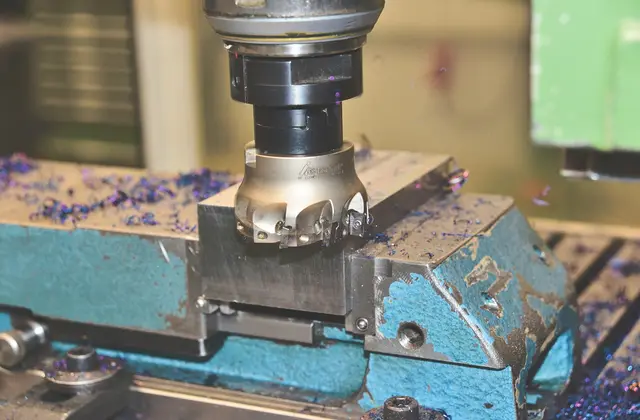
Use a garage or outbuilding with a small lathe and mill to make and repair parts in your spare hours.
- C$5k-25k
- Side hustle
- From home

Mobile food equipment service technician
Repair, maintain and install mixers, slicers, ovens and packing lines at food producers' sites.
- C$5k-25k
- Part-time
- Out and about

Custom covers and upholstery workshop
Make made-to-measure cushions, covers and upholstered pieces for homes, boats, cafés and designers.
- C$5k-25k
- Part-time
- Own premises
Private-label activewear line
Design your own activewear range and have a contract factory produce it, then sell to clubs and shops.
- C$5k-25k
- Side hustle
- From home
Handmade lamp studio at home
Design and make small batches of table, floor and pendant lamps and sell them online and at craft markets.
- C$6k-25k
- Side hustle
- From home
Photo: stevepb on Pixabay