Small real estate licensing school
Run evening and weekend classes from a rented classroom for people working towards a real estate licence.

- C$15k-60k
- Full-time
- Own premises
- Licence or permit needed
Estimates for a small start in Canada, not guarantees.
What it is
A small in-person or hybrid school helping people prepare for a real estate licence. Where your province lets approved private providers deliver pre-licensing courses, you can apply to offer them. Where it does not, you offer exam prep, study support and any continuing education courses you are approved for. You hire instructors, rent classroom space and guide students through their studies.
Your first three steps
- Contact your provincial real estate regulator and, if needed, the private career college regulator to learn what approval is required
- Talk to licensed brokers and local instructors about demand, and price out classroom rental
- Prepare your course plan and budget, and sound out experienced instructors who might teach for you
Who pays
Students paying course fees themselves, and brokerages that sponsor new recruits.
How it makes money
Tuition per course or package, with extra income from exam prep sessions, materials and continuing education courses for licensed agents, where approved.
Skills that help
- Teaching or managing teachers
- Organising schedules and student records
- Local marketing and building relationships with brokerages
Watch out for
- Check with your provincial real estate regulator before investing anything: in several provinces the official pre-licensing course is delivered only by a single designated provider, so a private school may be limited to exam prep, tutoring or continuing education
- Check whether exam prep or continuing education courses need regulator approval or accreditation in your province before you advertise them
- Check whether your courses count as private career college training in your province; if so, registration may involve fees, financial security and inspections
- Do not suggest that your courses lead to a licence unless the regulator has approved them for that purpose
- Commercial general liability insurance and workers' compensation coverage once you hire; check with your provincial board
- Enrolment can be seasonal and depends on the housing market, so keep a cash buffer
- In Quebec, check with the OACIQ about which training it recognises, and check French-language requirements
Deep research report · Canada
Everything you need to start: small real estate licensing school
Researched with live web search for Canada: real startup prices, the licences and rules, what others charge, a break-even example, how to find your first customers and a 30-day launch plan. With sources.
- Startup costs with real prices
- Licences, registration and rules
- Pricing: what others charge
- Break-even example
- Finding your first customers
- 30-day launch plan
- Risks and how to reduce them
Questions people ask
How much does it cost to open a real estate licensing school?
Startup costs are typically estimated at around $15,000 to $60,000, depending on your classroom rent, instructors and set-up. Enrolment can be seasonal and depends on the housing market, so keep a cash buffer.
Can a private school teach the real estate licensing course in Canada?
Check with your provincial real estate regulator before investing anything. In several provinces the official pre-licensing course is delivered only by one designated provider, so a private school may be limited to exam prep, tutoring or continuing education. Check approval requirements before advertising.
How much revenue can a real estate school make?
Monthly revenue is typically estimated at around $5,000 to $25,000, depending on enrolment and the courses you are approved to offer. Plan for about 20 hours a week at minimum, and check whether your courses count as private career college training.
Other ways to run this business

Similar teaching and tutoring ideas
Residential English immersion camp for international teens
Host international students for a week or two of English lessons and activities at a rented campus, lodge or camp site.
- C$15k-60k
- Full-time
- Own premises

Small licensed preschool in a rented space
Run a play-based preschool for ages 2.5 to 5 from a rented hall, church or small unit.
- C$15k-60k
- Full-time
- Own premises
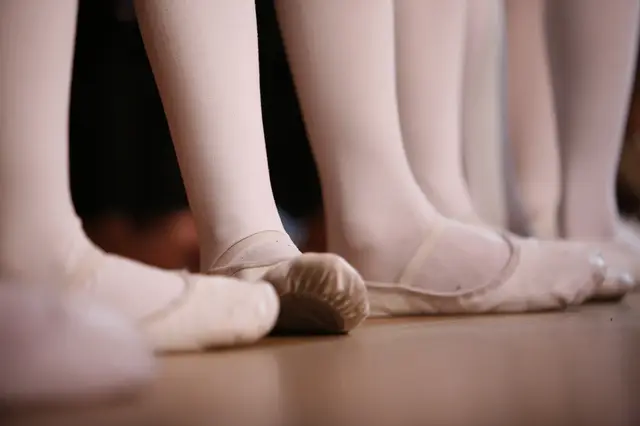
Full dance school with your own studio
Lease a studio and run a full weekly timetable of classes for children and adults.
- C$15k-60k
- Full-time
- Own premises
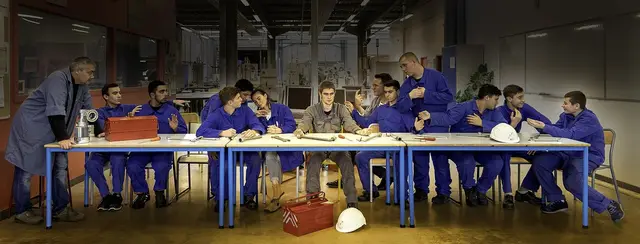
Small career training centre for one trade or skill
Rent a small unit and run short, hands-on courses that prepare local students for one specific job.
- C$15k-60k
- Full-time
- Own premises

Neighbourhood tutoring and study centre
Rent a small unit and offer after-school tutoring, homework help and exam prep with a few part-time tutors.
- C$15k-60k
- Full-time
- Own premises

Test prep centre with classrooms
Rent a small unit and run classes and tutoring for several exams with a team of tutors.
- C$10k-50k
- Full-time
- Own premises