Bar and club resident DJ
Play regular sets at bars, lounges and clubs, paid per night by the venue.

- C$500-2.5k
- Side hustle
- Out and about
Estimates for a small start in Canada, not guarantees.
What it is
Regular DJ nights at local bars, pubs, lounges and clubs. The venue usually provides the sound system, so you mainly bring your music, controller or USB drives and your own following.
Your first three steps
- Build a few strong mixes in your genre and share them online
- Visit local venues on quiet nights and ask the manager about a trial slot or a themed night
- Play for a small fee or a share of the door at first, then promote your nights to build a crowd
Who pays
Bar, club and restaurant owners or managers who book DJs for weekend nights, themed evenings and special events.
How it makes money
A set fee per night or per shift from each venue. Income grows as you add more regular nights or take on private bookings.
Skills that help
- Mixing and building a set
- Knowing your local music scene
- Self-promotion on social media
- Reliable, professional approach with venue staff
Watch out for
- Late nights and irregular income, so many people keep another job at first
- Check who is responsible for music licensing (SOCAN and Re:Sound) at the venue
- Insurance for your own equipment, and whether a liability policy is needed
- Agree fees and payment dates in writing, as some venues pay late
- Check your provincial rules on sole proprietorship registration and tax obligations as a self-employed contractor
Deep research report · Canada
Everything you need to start: bar and club resident DJ
Researched with live web search for Canada: real startup prices, the licences and rules, what others charge, a break-even example, how to find your first customers and a 30-day launch plan. With sources.
- Startup costs with real prices
- Licences, registration and rules
- Pricing: what others charge
- Break-even example
- Finding your first customers
- 30-day launch plan
- Risks and how to reduce them
Questions people ask
How much does it cost to start as a bar or club DJ in Canada?
Startup costs are typically estimated at around $500 to $2,500, depending on whether you buy a controller, headphones and other gear. Venues usually provide the sound system, so your own equipment needs can be modest.
How much can a resident DJ earn each month?
Monthly revenue is typically estimated at around $300 to $1,500, depending on how many nights you play and what each venue pays. Income can be irregular, so many people keep another job at first.
What should I check before becoming a resident DJ in Canada?
Check who is responsible for SOCAN and Re:Sound music licensing at each venue, and whether you need insurance for your equipment or a liability policy. Also check provincial rules on sole proprietorship registration and self-employed tax, and agree fees in writing.
Other ways to run this business

Similar events ideas

Home-based entertainment booking agency
Match local bands, DJs, magicians and other acts with weddings, parties and corporate events, and earn a commission.
- C$300-2.5k
- Side hustle
- From home

Virtual and hybrid event planner
Run online and hybrid meetings, webinars and town halls for organizations with teams across Canada.
- C$300-2.5k
- Side hustle
- Online
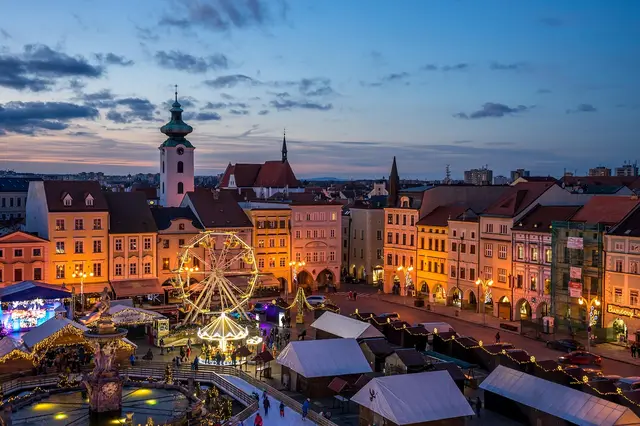
Small-town Christmas market organiser
Run a one-day or weekend festive market in a hall, church or arena, with local makers paying for stalls.
- C$500-3k
- Side hustle
- Own premises

Wedding day-of coordinator
Run the schedule and suppliers on the wedding day so couples who planned it themselves can relax and enjoy it.
- C$300-2k
- Side hustle
- Out and about

Kids' party magician
Perform 45 to 60 minute magic shows at birthday parties and family gatherings in your area.
- C$300-2k
- Side hustle
- Out and about

Home-based event planner for private parties
Plan weddings, milestone birthdays and family celebrations for local clients, working from your own home office.
- C$500-3k
- Side hustle
- From home
Photo: FoxFedProductions on Pixabay