Salsa Bar with Its Own Dance Floor
Open a small bar with a dance floor, Latin music and regular salsa nights, earning from drinks, entry fees and classes.

- C$60k-300k
- Full-time
- Own premises
- Licence or permit needed
Estimates for a small start in Canada, not guarantees.
What it is
A licensed bar built around Latin dance. You lease a small premises with a dance floor, serve drinks and light snacks, and run several themed nights a week such as salsa, bachata and beginner classes. Quieter nights can host private parties or dance school rentals.
Your first three steps
- Research your city's dance scene and shortlist neighbourhoods where bars with dance floors are allowed by zoning
- Check your provincial liquor regulator and municipality for licence, capacity, fire and noise requirements before signing a lease
- Build a business plan with realistic costs, then approach a landlord, a lender and local dance instructors about a founding schedule of nights
Who pays
Regular dancers, groups of friends, beginners attending classes, and people booking birthdays or corporate events.
How it makes money
Drink sales are the main income, along with cover charges on busy nights, class fees, private hire and sometimes small food sales.
Skills that help
- Running a bar or hospitality venue
- Managing staff and rosters
- Marketing events and building a community
- Budgeting and stock control
Watch out for
- Liquor licence rules and server training differ by province, so check your provincial regulator, and approval can take months
- Zoning, occupancy limits, fire code and noise bylaws for late-night venues with a dance floor
- Music licensing for public performance, such as SOCAN and Re:Sound, plus liquor liability and commercial general liability insurance
- Staff safety and security, and WCB/WSIB coverage once you hire (rules vary by province)
- Slow weeknights, winter weather and high fixed costs like rent can squeeze cash flow
🔒 Full research report for Canada
Real cost breakdown with current prices, licences and registration checklist, local competition, pricing, break-even and a 30-day launch plan, with sources.
Coming soonQuestions people ask
How much does it cost to open a salsa bar in Canada?
Startup costs are typically around $60,000 to $300,000, depending on the premises, fit-out, dance floor, sound system and licensing. These are estimates, so get detailed quotes for your own venue before committing.
How much can a salsa bar earn?
Monthly revenue is typically estimated around $15,000 to $70,000, depending on how many nights you open, drinks sales, entry fees and classes. That is revenue, not profit, so allow for rent, stock and staff.
What licences and rules should I check before opening a salsa bar?
Check liquor licence rules and server training with your provincial regulator, as approval can take months. Also check zoning, occupancy, fire code and noise bylaws, music licensing (SOCAN, Re:Sound), insurance, security, and WCB/WSIB once you hire.
Other ways to run this business
Similar hospitality ideas
Neighbourhood tapas bar
Open a small bar serving Spanish plates and drinks to locals who come to share food and stay for the evening.
- C$80k-300k
- Full-time
- Own premises
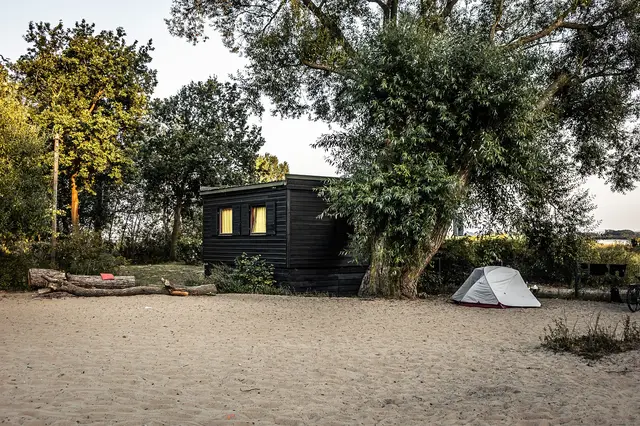
Small cabin site with four to eight cabins
Run a small cabin getaway site with several cabins, a shared fire pit and a simple office, rented by the night.
- C$60k-300k
- Full-time
- Own premises
Neighbourhood cider bar
Open a small, welcoming bar built around local ciders, with a few snacks and non-alcoholic options.
- C$60k-300k
- Full-time
- Own premises
Neighbourhood piano bar
Open a small licensed bar with live piano where people come for drinks, light bites and a relaxed evening.
- C$80k-300k
- Full-time
- Own premises
Neighbourhood wine bar
Open a small, cosy bar serving wine by the glass and simple snacks to locals after work and on weekends.
- C$80k-300k
- Full-time
- Own premises

Small neighbourhood bar
Open a small, licensed local bar with a focused drinks menu and regulars who come back each week.
- C$100k-300k
- Full-time
- Own premises