Brazilian pastelaria counter shop
Open a small counter selling fresh pastéis, coxinhas and Brazilian drinks for eating in or taking away.

- £15k-60k
- Full-time
- Own premises
- Licence or permit needed
Estimates for a small start in the UK, not guarantees.
What it is
A small shop or unit with a fryer counter and a few seats or a stand-up bar. You sell fresh pastéis in savoury and sweet fillings, with other Brazilian snacks and drinks such as guaraná and sugarcane juice.
Your first three steps
- Look at units near footfall such as high streets, markets or student areas, and compare rent and fit-out costs
- Write a simple menu with costings and a cash-flow forecast, then talk to your council about food registration and any planning needs
- Book a Level 2 food hygiene course and get quotes for fryers, extraction, a fridge and shop insurance
Who pays
Local residents, students, shoppers and workers nearby, Brazilian and Latin American communities, and delivery app customers.
How it makes money
Per-item sales, combo deals with drinks and extras like delivery or party platters. Steady daily footfall and controlling rent and wage costs matter most.
Skills that help
- Cooking and frying consistently at volume
- Managing costs, stock and rotas
- Customer service
- Local marketing
Watch out for
- Planning permission or change of use for hot food, which depends on the unit and council, so check before signing a lease
- Extraction and ventilation for frying, which can be a significant cost and may be required by the landlord or council
- Food business registration, allergen information and a written food safety system
- Fire safety risk assessment, hot oil and gas or electrical safety checks
- Business rates, lease terms and personal guarantees, so get advice before committing
- Employer's liability insurance once you hire staff, plus public liability and contents cover
Deep research report · UK
Everything you need to start: brazilian pastelaria counter shop
Researched with live web search for United Kingdom: real startup prices, the licences and rules, what others charge, a break-even example, how to find your first customers and a 30-day launch plan. With sources.
- Startup costs with real prices
- Licences, registration and rules
- Pricing: what others charge
- Break-even example
- Finding your first customers
- 30-day launch plan
- Risks and how to reduce them
Questions people ask
How much does it cost to open a Brazilian pastelaria?
Startup costs are estimated at typically around £15,000 to £60,000, depending on the unit, fit-out and extraction. Frying ventilation can be a significant cost, and business rates, lease terms and personal guarantees are worth checking before committing.
How much revenue can a pastelaria shop make?
Monthly revenue is typically estimated at around £8,000 to £30,000, depending on location, opening hours and menu. Rent, business rates and staffing sit on top of that, and employer's liability insurance applies once you hire staff.
What planning and food rules should I check before opening?
Check planning permission or change of use for hot food before signing a lease, plus extraction and ventilation requirements. Also check food business registration, allergen information, a written food safety system and a fire safety risk assessment.
Other ways to run this business
Similar food ideas
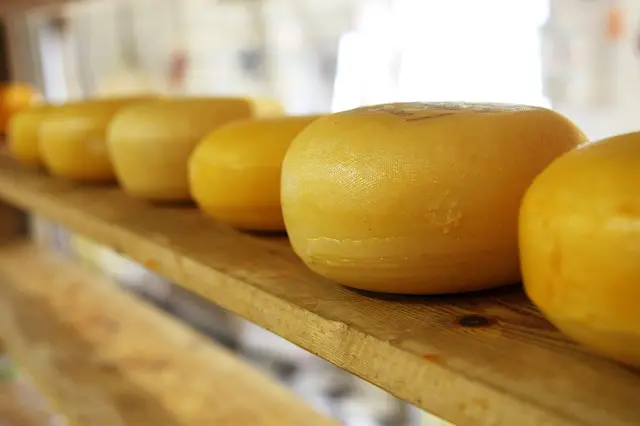
Small-batch cheese and yoghurt maker
Buy in local milk and make cheese, yoghurt or butter in a small rented unit for delis and markets.
- £15k-60k
- Part-time
- Own premises
Local frozen food shop
Open a small high street shop selling frozen meals, ingredients and desserts to local households.
- £15k-60k
- Full-time
- Own premises
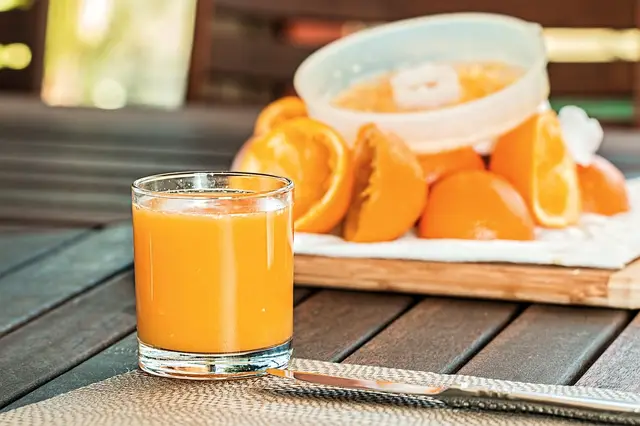
Juice and smoothie bar
Run a small shop serving fresh juices and smoothies made to order for locals, workers and gym-goers.
- £15k-60k
- Full-time
- Own premises

Russian and Eastern European grocery shop
Open a small shop selling Russian and Eastern European foods, drinks and treats to local shoppers.
- £15k-60k
- Full-time
- Own premises

Niche wine importer using a bonded warehouse
Bring in wines from a region you know well and sell them to independent restaurants, bars and shops.
- £15k-60k
- Part-time
- From home
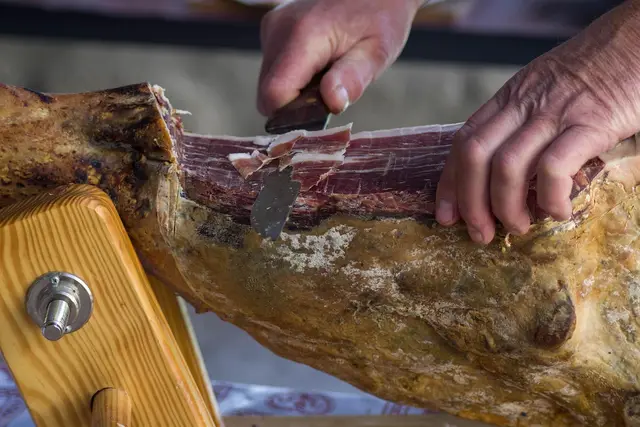
Cured ham and charcuterie shop
Run a small high street shop selling whole and sliced cured hams, salamis and matching extras to local food lovers.
- £15k-60k
- Full-time
- Own premises