How to start a small domestic building firm
Build extensions, conversions and refurbishments with a small crew of your own, plus specialists when needed.

- £5k-25k
- Full-time
- Out and about
Estimates for a small start in the UK, not guarantees.
Official data
92,967 UK companies in this field, 30% registered in the last 2 years
SIC 41202 “Construction of domestic buildings”. Source: Companies House, November 2026.
What it is
A small building firm that does much of the work itself, such as groundwork, brickwork, carpentry and finishing. You bring in specialist trades for the rest. You usually run it from a van with a small team of two to four people.
Your first three steps
- Work out your running costs and day rate, then price three recent job types to test your quotes
- Sort insurance, a suitable vehicle and core tools, and check what you need for working at height
- Ask past employers, clients and local architects or surveyors for introductions and photos of your work
Who pays
Homeowners planning extensions, loft conversions and major renovations, plus small landlords and local businesses.
How it makes money
Fixed-price quotes or day rates for labour plus materials. Stage payments help cash flow. Margin comes from your own labour and a mark-up on materials and subcontractors.
Skills that help
- Building trade skills such as bricklaying, carpentry or general building
- Estimating labour and materials
- Leading a small team
- Keeping to health and safety on site
Watch out for
- Public liability, contract works and employer's liability insurance once you take on staff
- Building Regulations sign-off and planning permission, check who applies and who pays on each job
- CDM 2015 duties, site safety, working at height and asbestos risks in older properties
- CIS registration and VAT rules, including the domestic reverse charge
- Waste carrying: check whether you need to be a registered waste carrier
- Rising material prices and delayed payments can squeeze your cash, so agree stage payments in writing
- Physical work with long days, plan for injury and downtime
🔒 Full research report for UK
Real cost breakdown with current prices, licences and registration checklist, local competition, pricing, break-even and a 30-day launch plan, with sources.
Coming soonQuestions people ask
How much does it cost to start a small building firm in the UK?
Startup costs are typically around £5,000 to £25,000, depending on your tools, vehicle and team. These are estimates, so allow a buffer for materials and cash flow, especially while you wait for stage payments.
How much can a small domestic building firm earn?
Monthly revenue is typically around £4,000 to £20,000, depending on the jobs you win and the size of your team. This is revenue, not profit, so materials, labour and insurance costs all come out of it.
What rules should I check before starting a building firm?
Check your insurance (public liability, contract works, and employer's liability if you take on staff), Building Regulations sign-off and planning permission on each job, CDM 2015 duties, CIS and VAT rules including the domestic reverse charge, and whether you need to be a registered waste carrier.
Other ways to run this business

Similar trades ideas
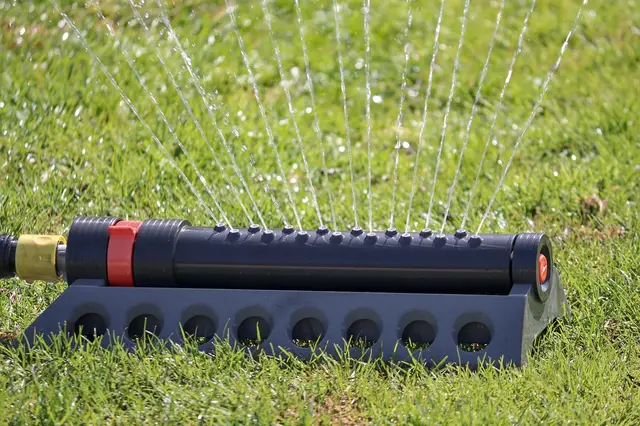
Irrigation for grounds and sports turf
Install and maintain watering systems for businesses, sports clubs and grounds teams on service contracts.
- £5k-25k
- Full-time
- Out and about
Mini digger operator for domestic jobs
Dig trenches, footings and drainage runs for homeowners and small builders with your own mini digger and trailer.
- £8k-25k
- Part-time
- Out and about
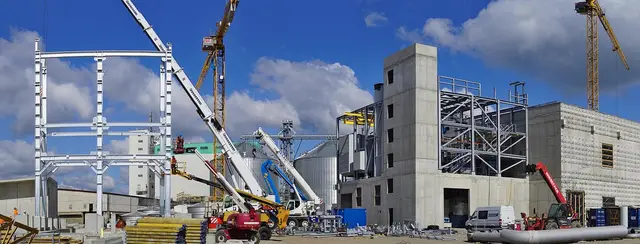
Steel erection subcontract crew
Lead a small crew that erects structural steel on site for steel fabricators and builders.
- £5k-25k
- Full-time
- Out and about
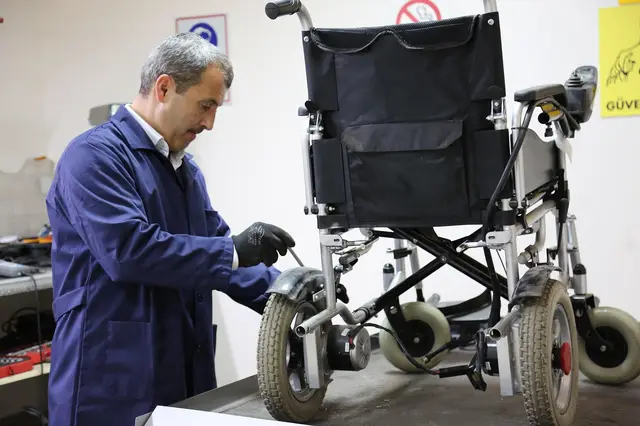
Wheelchair repair and servicing workshop
Run a small unit where wheelchairs and mobility aids are repaired, serviced and refurbished for users and care providers.
- £5k-25k
- Full-time
- Own premises
Rainwater harvesting systems for homes and farms
Supply and install underground or large tanks that feed toilets, laundry and irrigation.
- £5k-25k
- Part-time
- Out and about

Instrument repair shop with a counter
Run a small repair shop where players drop in, and take on school and music shop work too.
- £5k-25k
- Full-time
- Own premises
Photo: jarmoluk on Pixabay