Instrument repair shop with a counter
Run a small repair shop where players drop in, and take on school and music shop work too.

- £5k-25k
- Full-time
- Own premises
Estimates for a small start in the UK, not guarantees.
Official data
1,521 UK companies in this field, 39% registered in the last 2 years
SIC 95290 “Repair of personal and household goods n.e.c.”. Source: Companies House, November 2026.
What it is
A small unit or shop with a workshop at the back and a counter at the front. You repair a range of instruments and may sell strings, reeds and accessories alongside.
Your first three steps
- Look at rents and footfall for small units near schools, music venues or a town centre, and work out your break-even point
- Build relationships with local schools, music services and teachers before you sign a lease
- Set up supplier accounts for parts and accessories and plan a simple job-tracking system
Who pays
Walk-in musicians, schools and music services, community bands and orchestras, and other shops that send repairs to you.
How it makes money
Labour and parts on repairs, regular school and band contracts, and small margins on accessories sold over the counter.
Skills that help
- Repair skills across several instrument types, or a trained team member who covers the rest
- Customer service and quoting
- Basic bookkeeping and stock control
Watch out for
- Commercial lease terms, business rates and deposit, so check these carefully before committing
- Public liability, contents and stock insurance, and employer's liability once you hire
- Check planning use class and any council requirements for the premises
- Quiet periods in the year, so allow for cash flow
- Holding customers' instruments safely and securely
Deep research report · UK
Everything you need to start: instrument repair shop with a counter
Researched with live web search for United Kingdom: real startup prices, the licences and rules, what others charge, a break-even example, how to find your first customers and a 30-day launch plan. With sources.
- Startup costs with real prices
- Licences, registration and rules
- Pricing: what others charge
- Break-even example
- Finding your first customers
- 30-day launch plan
- Risks and how to reduce them
Questions people ask
How much does it cost to start an instrument repair shop?
Startup costs are typically estimated at around £5,000 to £25,000, depending on the unit's lease and deposit, your workshop tools, any fit-out and the stock of strings, reeds and accessories you carry. Insurance should be included in your budget.
What should I check before opening an instrument repair shop?
Check commercial lease terms, business rates and the deposit before committing. Check public liability, contents and stock insurance, employer's liability once you hire, and the planning use class and council requirements for the premises.
How much can an instrument repair shop earn?
Monthly revenue is typically estimated at around £2,500 to £10,000, depending on the range of repairs you offer, local demand and any school or shop work you win. Allow for quiet periods in the year when planning cash flow.
Other ways to run this business
Similar trades ideas
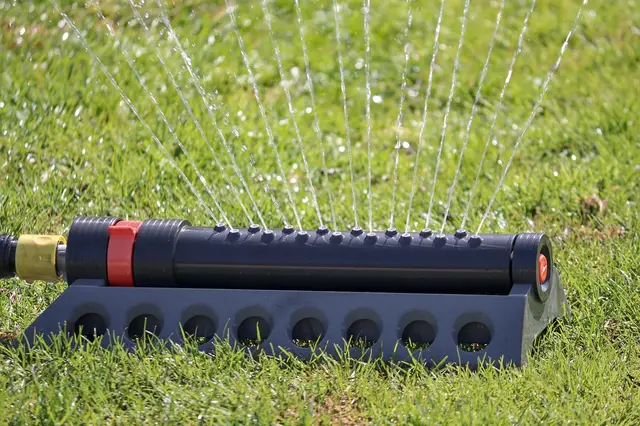
Irrigation for grounds and sports turf
Install and maintain watering systems for businesses, sports clubs and grounds teams on service contracts.
- £5k-25k
- Full-time
- Out and about
Mini digger operator for domestic jobs
Dig trenches, footings and drainage runs for homeowners and small builders with your own mini digger and trailer.
- £8k-25k
- Part-time
- Out and about

Steel erection subcontract crew
Lead a small crew that erects structural steel on site for steel fabricators and builders.
- £5k-25k
- Full-time
- Out and about
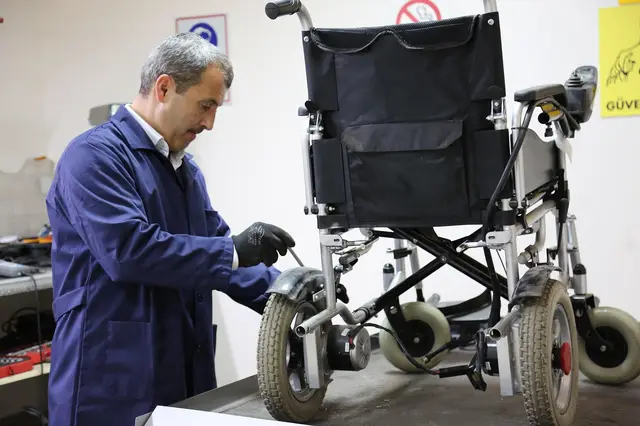
Wheelchair repair and servicing workshop
Run a small unit where wheelchairs and mobility aids are repaired, serviced and refurbished for users and care providers.
- £5k-25k
- Full-time
- Own premises
Rainwater harvesting systems for homes and farms
Supply and install underground or large tanks that feed toilets, laundry and irrigation.
- £5k-25k
- Part-time
- Out and about

Small domestic building firm
Build extensions, conversions and refurbishments with a small crew of your own, plus specialists when needed.
- £5k-25k
- Full-time
- Out and about
Photo: ituzaingo on Pixabay