Home-based cat boarding
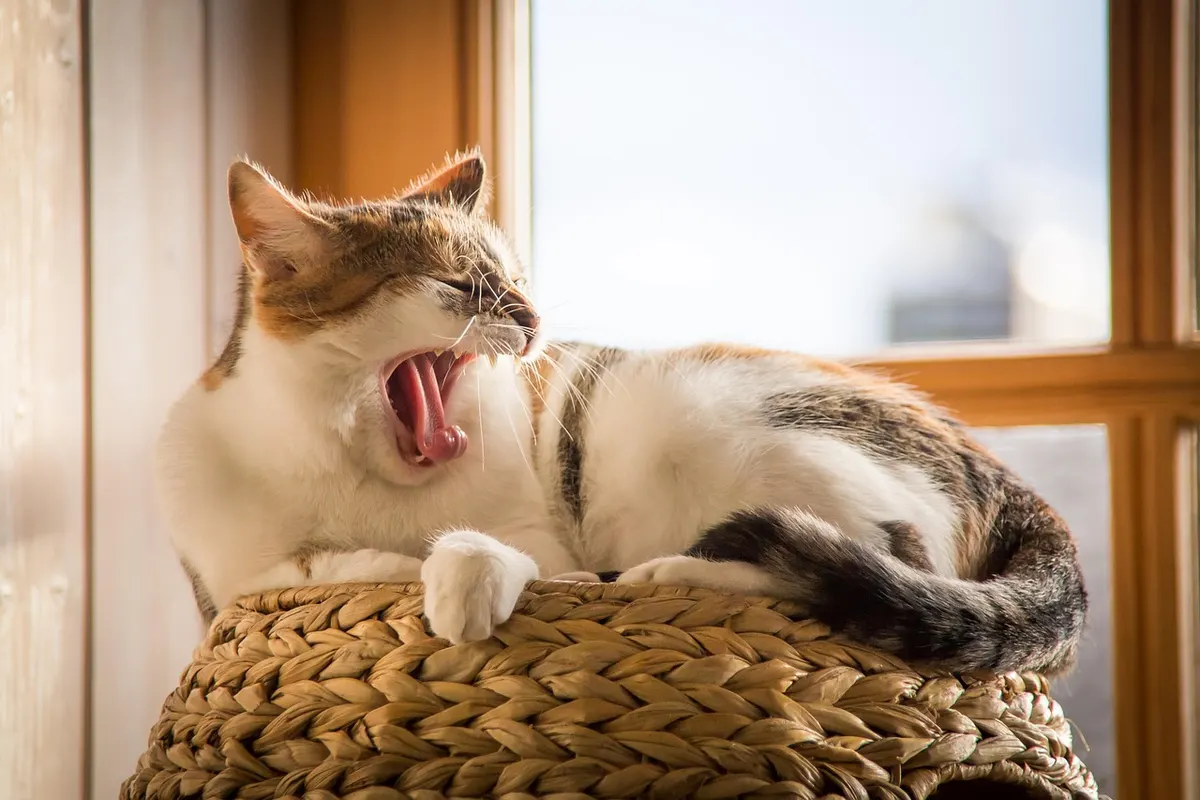
Look after cats in a quiet, safe space in your own home while their owners are on holiday.
- £500-2.5k
- Side hustle
- From home
- Licence or permit needed
Estimates for a small start in the UK, not guarantees.
What it is
You board a small number of cats at a time in a dedicated room or secure set-up in your home. You feed them, clean litter trays, play with them and send owners regular updates.
Your first three steps
- Contact your local council to ask about the licence needed for home cat boarding and what your space must meet
- Check your tenancy, mortgage or lease allows it, and get insurance that covers boarding animals
- Set up a safe, escape-proof cat room, then take a few trial stays from friends and neighbours to collect reviews
Who pays
Cat owners going on holiday or away for work who want a homely alternative to a larger cattery.
How it makes money
A nightly rate per cat, with extras such as giving medication or boarding two cats from the same household. Busy school holiday periods usually bring the most bookings.
Skills that help
- Calm, confident handling of cats
- Reliable daily routine
- Clear, friendly communication with owners
Watch out for
- A council licence is likely to be needed to board cats as a business. Check the rules for your part of the UK, as they differ
- Insurance that specifically covers animals in your care, plus public liability
- Permission from your landlord or mortgage lender, and how your neighbours might feel
- Check owners' vaccination records and have a plan for illness or vet emergencies
- Your own pets or allergies may affect whether your home is suitable
Deep research report · UK
Everything you need to start: home-based cat boarding
Researched with live web search for United Kingdom: real startup prices, the licences and rules, what others charge, a break-even example, how to find your first customers and a 30-day launch plan. With sources.
- Startup costs with real prices
- Licences, registration and rules
- Pricing: what others charge
- Break-even example
- Finding your first customers
- 30-day launch plan
- Risks and how to reduce them
Questions people ask
How much does it cost to start a home cat boarding business?
Startup costs are typically around £500 to £2,500, depending on how you set up your boarding space, the equipment you need, and your insurance. These are estimates, not guarantees.
How much can I earn from home cat boarding?
Monthly revenue is typically around £300 to £2,000, depending on how many cats you can take, your prices and how often you are booked. This is an estimate of revenue, not profit.
Do I need a licence to board cats at home in the UK?
A council licence is likely to be needed to board cats as a business, but rules differ across the UK, so check yours. Also check insurance covering animals in your care, landlord or mortgage lender permission, and owners' vaccination records.
Other ways to run this business

Similar pet ideas

Cat behaviour and training visits
Visit cat owners at home to tackle problem behaviour and teach cats new skills.
- £500-2.5k
- Side hustle
- Out and about

Home dog boarding
Look after a small number of dogs in your own home while their owners are away.
- £500-2.5k
- Side hustle
- From home

Puppy and dog training classes
Run weekly group classes for puppies and adult dogs in a hired hall or field.
- £500-3k
- Part-time
- Own premises

Home-based dog day care
Look after a small group of dogs in your own home and garden while their owners are at work.
- £500-3k
- Part-time
- From home
Pet taxi and UK pet transport
Drive dogs and cats safely to new homes, vets, groomers and kennels for owners who can't.
- £500-3k
- Side hustle
- Out and about

Pet aftercare and memorial keepsakes
Offer a caring pet aftercare service from home, working with vets and a crematorium, with memorial keepsakes for families.
- £500-3k
- Side hustle
- From home
Photo: g3gg0 on Pixabay