Cat behaviour and training home visits
Visit cat owners at home to tackle problem behaviour and teach cats new skills.

- £500-2.5k
- Side hustle
- Out and about
Estimates for a small start in the UK, not guarantees.
What it is
One-to-one sessions in the client's home to help with issues like scratching furniture, litter tray problems or stress around other pets, plus fun training such as recall, carrier training and tricks.
Your first three steps
- Take a recognised cat behaviour or training course and gain hands-on experience with a rescue or experienced behaviourist
- Set your session prices and write a simple consultation form and aftercare plan
- Contact local vets, rescues and groomers to introduce yourself and ask for referrals
Who pays
Cat owners, rescue adopters, and households with new kittens or a multi-cat home.
How it makes money
A fixed price per session or a package of visits, often with a longer first consultation and follow-up support by phone or message.
Skills that help
- Understanding cat behaviour and body language
- Patient, reward-based training methods
- Explaining advice clearly to owners
- Calm and gentle handling
Watch out for
- Public liability insurance, and check whether your policy covers working with animals in clients' homes
- Behaviour problems can have a medical cause, so always advise owners to check with their vet first
- The profession is not regulated in the UK, so check which professional bodies and qualifications give you credibility
- Avoid promising guaranteed results, as every cat is different
- Scratches and bites are a risk, so plan how you will handle fearful or aggressive cats safely
Deep research report · UK
Everything you need to start: cat behaviour and training visits
Researched with live web search for United Kingdom: real startup prices, the licences and rules, what others charge, a break-even example, how to find your first customers and a 30-day launch plan. With sources.
- Startup costs with real prices
- Licences, registration and rules
- Pricing: what others charge
- Break-even example
- Finding your first customers
- 30-day launch plan
- Risks and how to reduce them
Questions people ask
How much does it cost to start a cat training business?
Estimates suggest startup costs are typically around £500 to £2,500, depending on the training, insurance and equipment you choose. Many people start part-time, at around 6 hours a week, and build up from there.
How much can a cat behaviour trainer earn?
Estimates suggest monthly revenue of typically around £300 to £2,000, depending on how many home visits you book and what you charge. These figures are revenue, not profit.
Do I need a licence or qualification to be a cat trainer?
The profession is not regulated in the UK, so check which professional bodies and qualifications give you credibility. Also check public liability insurance covers animals in clients' homes, and advise owners to see a vet first, as problems can have a medical cause.
Other ways to run this business

Similar pet ideas
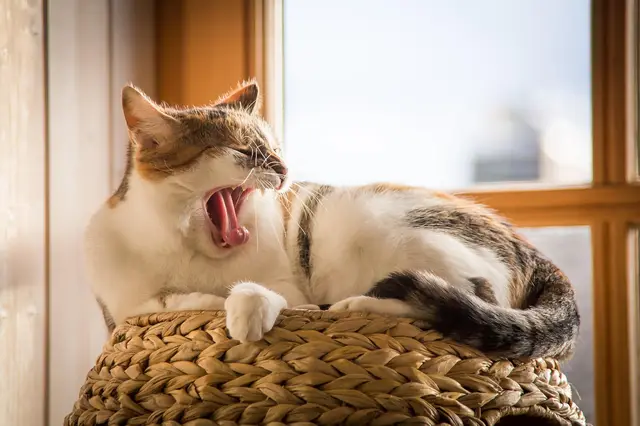
Home-based cat boarding
Look after cats in a quiet, safe space in your own home while their owners are on holiday.
- £500-2.5k
- Side hustle
- From home

Home dog boarding
Look after a small number of dogs in your own home while their owners are away.
- £500-2.5k
- Side hustle
- From home

Puppy and dog training classes
Run weekly group classes for puppies and adult dogs in a hired hall or field.
- £500-3k
- Part-time
- Own premises

Home-based dog day care
Look after a small group of dogs in your own home and garden while their owners are at work.
- £500-3k
- Part-time
- From home
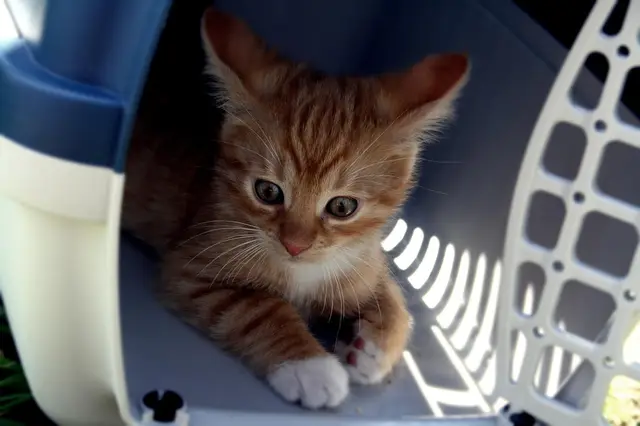
Pet taxi and UK pet transport
Drive dogs and cats safely to new homes, vets, groomers and kennels for owners who can't.
- £500-3k
- Side hustle
- Out and about

Pet aftercare and memorial keepsakes
Offer a caring pet aftercare service from home, working with vets and a crematorium, with memorial keepsakes for families.
- £500-3k
- Side hustle
- From home