Small-Batch charcuterie maker
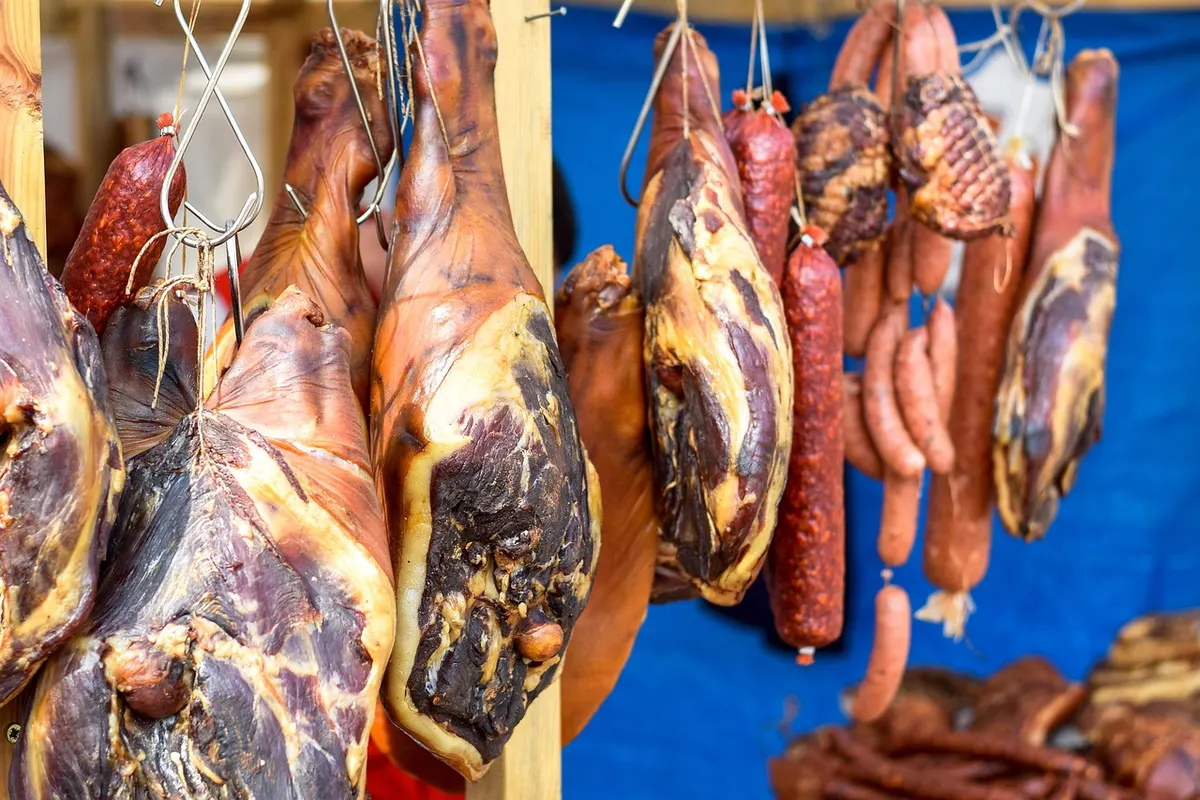
Cure and smoke salami and ham in a small approved unit, selling to delis, restaurants and at markets.
- £8k-40k
- Part-time
- Own premises
- Licence or permit needed
Estimates for a small start in the UK, not guarantees.
Official data
981 UK companies in this field, 19% registered in the last 2 years
SIC 10130 “Production of meat and poultry meat products”. Source: Companies House, November 2026.
What it is
Making cured and smoked meats such as salami, air-dried ham and chorizo-style sausages in a small, approved production space, using a controlled drying room or curing chamber.
Your first three steps
- Take a curing or charcuterie course and a Level 2 food hygiene course, then practise small test batches
- Contact your local council's environmental health team about approval for a meat production unit and what a HACCP plan needs to cover
- Make a small range, get samples to a handful of local delis and restaurants, and ask for honest feedback on flavour and price
Who pays
Delis, farm shops, restaurants, pubs and food-loving customers buying at markets or online.
How it makes money
Wholesale sales by weight to shops and restaurants, plus higher-margin direct sales at markets, food festivals and through your own website.
Skills that help
- Food safety and hygiene
- Patience and attention to detail
- Butchery or meat-curing knowledge
- Selling to shops and chefs
Watch out for
- Meat products usually need approval from your local authority or the Food Standards Agency, not just registration, so check this before buying equipment
- You will need a documented food safety plan (HACCP), and curing carries real risks if temperature, salt and humidity are not controlled
- Public liability and product liability insurance
- Labelling rules, including allergens and ingredients, and sourcing meat from approved suppliers
- Slow cash flow, as products can take weeks or months to cure before you can sell them
- Check planning and lease terms before using a unit or any part of your home for production
Deep research report · UK
Everything you need to start: small-batch charcuterie maker
Researched with live web search for United Kingdom: real startup prices, the licences and rules, what others charge, a break-even example, how to find your first customers and a 30-day launch plan. With sources.
- Startup costs with real prices
- Licences, registration and rules
- Pricing: what others charge
- Break-even example
- Finding your first customers
- 30-day launch plan
- Risks and how to reduce them
Questions people ask
How much does it cost to start a charcuterie business?
Startup costs are typically estimated at around £8,000 to £40,000, depending on your production unit, curing or drying equipment, insurance and initial meat and ingredients. Check approval requirements before buying any equipment.
How much can a small-batch charcuterie maker earn?
Monthly revenue is typically estimated at around £1,000 to £5,000, depending on your volumes, products and customers such as delis, restaurants and markets. Cash flow can be slow because products may take weeks or months to cure.
What approvals and rules should I check to make cured meats?
Check whether your local authority or the Food Standards Agency needs to approve your unit, not just register it. Also check your food safety plan (HACCP), labelling and allergen rules, insurance, approved meat suppliers, and planning or lease terms.
Other ways to run this business

Similar food ideas

Traditional sweet shop on your high street
Open a small shop selling jars of sweets by weight, chocolates and gift packs to locals and visitors.
- £10k-40k
- Full-time
- Own premises

Local meat wholesaler with a chilled van
Buy meat in bulk and deliver it fresh to restaurants, caterers and butchers in your area.
- £10k-40k
- Full-time
- Out and about
Coffee wholesaler with own unit
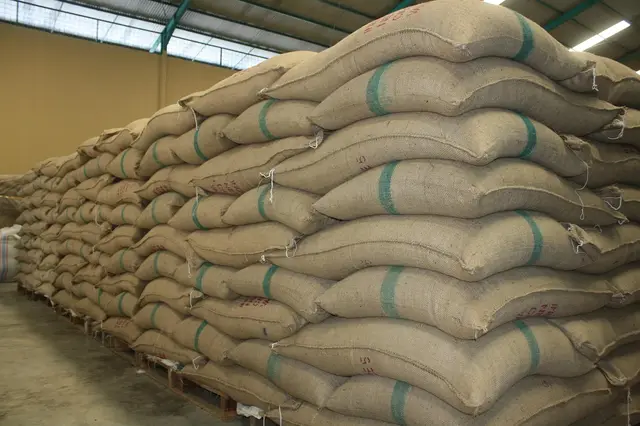
Rent a small unit to store, pack and deliver coffee under your own brand to cafés and shops.
- £8k-40k
- Full-time
- Own premises

Cupcake shop with walk-in trade
Open a small shop or unit selling fresh cupcakes to walk-in customers, plus events and special orders.
- £8k-40k
- Full-time
- Own premises
Panipuri takeaway counter
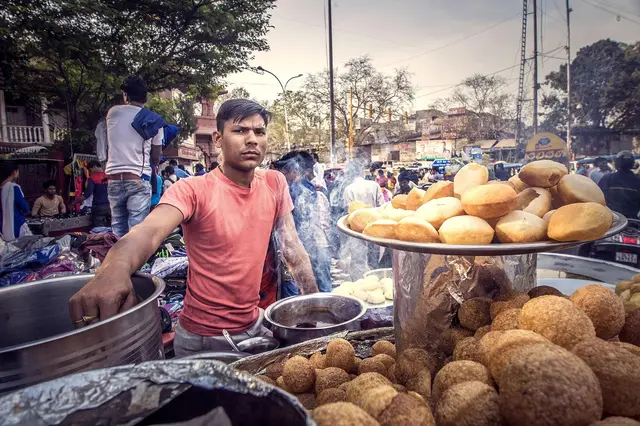
Open a small takeaway counter or kiosk serving panipuri and other chaat to regulars on a busy street.
- £10k-40k
- Full-time
- Own premises

Self-serve dessert and sweet bar
Run a small shop or unit where customers build their own boxes of sweets and desserts.
- £8k-40k
- Full-time
- Own premises
Photo: Pexels on Pixabay