Local craft fair organiser
Hire a hall a few times a year and run a fair where local makers pay for stalls.
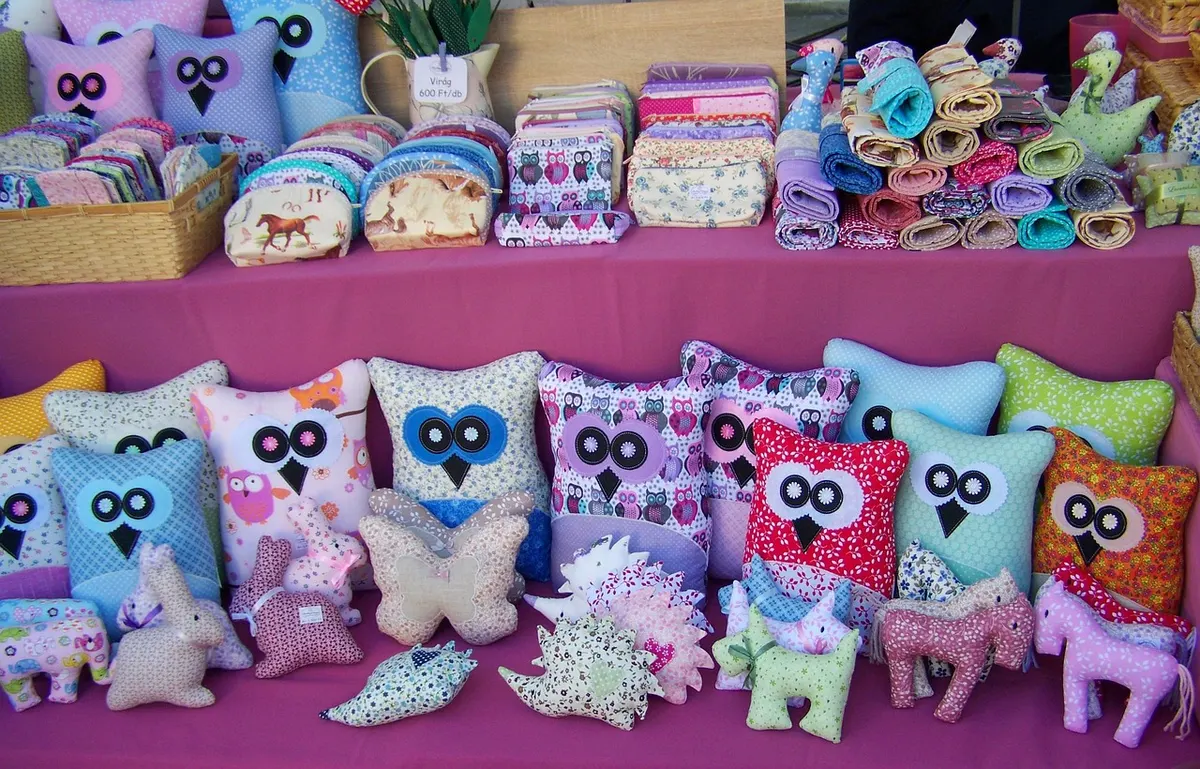
- £200-1k
- Side hustle
- Out and about
Estimates for a small start in the UK, not guarantees.
Official data
7,380 UK companies in this field, 47% registered in the last 2 years
SIC 82301 “Activities of exhibition and fair organisers”. Source: Companies House, November 2026.
What it is
You organise craft fairs in hired village halls, church halls, school halls or community centres. You find the makers, plan the stall layout, promote the day and run it on the day.
Your first three steps
- Visit halls in your area, compare hire costs and capacity, and pick a date at least 2 to 3 months ahead
- Set stall prices, a simple booking form and a floor plan, then invite local makers through Facebook groups and craft communities
- Promote the fair with posters, local event listings and community pages, and ask each maker to share it with their followers
Who pays
Makers pay for a stall or table. Visitors may pay a small entry fee, often £1 to £3, depending on the venue and the event.
How it makes money
Stall fees minus venue hire, advertising and insurance. Small extras can help, such as admission, a raffle or a refreshment table run with the venue.
Skills that help
- Organising and planning
- Friendly, clear communication with makers
- Local promotion on social media and noticeboards
Watch out for
- Public liability insurance for the event, and check whether the venue also requires its own cover
- Check whether makers need their own insurance and make this clear in your terms
- If food or drink is sold, check food hygiene and registration rules with the local council
- Check venue rules on fire safety, capacity, and setting up and clearing away times
- Cancellations and quiet days can leave you out of pocket, so set a clear refund policy
Deep research report · UK
Everything you need to start: local craft fair organiser
Researched with live web search for United Kingdom: real startup prices, the licences and rules, what others charge, a break-even example, how to find your first customers and a 30-day launch plan. With sources.
- Startup costs with real prices
- Licences, registration and rules
- Pricing: what others charge
- Break-even example
- Finding your first customers
- 30-day launch plan
- Risks and how to reduce them
Questions people ask
How much does it cost to start a craft fair business?
Startup costs are estimates, typically around £200 to £1,000, depending on hall hire, promotion and insurance. Hiring a hall a few times a year keeps early costs fairly low while you learn what works locally.
How much can a craft fair organiser earn?
Monthly revenue is typically around £200 to £1,500, depending on how many fairs you run, your stall fees and any entry fees. Quiet days and cancellations can leave you out of pocket, so set a clear refund policy.
What insurance and rules should I check before running a craft fair?
Check public liability insurance for the event and whether the venue requires its own cover. If food or drink is sold, check food hygiene and registration rules with the council, plus venue rules on fire safety and capacity.
Other ways to run this business
Similar events ideas

Children's party host and entertainer
Run games, music and activities at children's parties in village halls and homes, paid per booking.
- £200-1k
- Side hustle
- Out and about
Home-based entertainment agent
Book local bands, magicians and other acts for weddings, parties and venues, and earn a commission on each booking.
- £100-1k
- Side hustle
- From home

Home-made balloon gifts and party packs
Make balloon bouquets, gift boxes and party packs at home for local pick-up or delivery.
- £150-800
- Side hustle
- From home
Singing telegram performer
Turn up at birthdays, surprises and celebrations and sing a personalised song or message in costume.
- £150-800
- Side hustle
- Out and about
Wedding and event dance choreographer
Choreograph and coach couples, families and groups for sangeets, mehndis and weddings.
- £100-800
- Side hustle
- Out and about
Solo dhol player for weddings and baraats
Play dhol at weddings, baraats and parties, taking weekend bookings from families and planners.
- £300-1.2k
- Side hustle
- Out and about
Photo: ArmbrustAnna on Pixabay