Home-Based craniosacral therapist
See clients in a quiet treatment room at home for gentle, hands-on craniosacral sessions, alongside other work.
- £500-2.5k
- Side hustle
- From home
Estimates for a small start in the UK, not guarantees.
What it is
One-to-one sessions where you use a very light touch on the head, spine and pelvis to help clients relax and ease tension. You work from a spare room set up as a calm treatment space.
Your first three steps
- Compare recognised craniosacral training courses and professional bodies, and check what qualification clients and insurers expect
- Set up a spare room as a quiet, clean treatment space and check that your landlord or mortgage lender allows business use
- Get therapist insurance quotes and draft a simple consent form, price list and booking process
Who pays
Adults looking for a gentle complementary therapy to help with stress, aches and tension, and parents booking sessions for babies or children.
How it makes money
A fixed fee per session, often 45 to 60 minutes. Income grows with repeat clients and word of mouth. Some therapists offer a block-booking discount.
Skills that help
- Calm, attentive listening
- Sensitive hands-on touch
- Completing a recognised craniosacral training course
- Clear and honest client communication
Watch out for
- Training usually takes a good deal of time and money, so check the costs and course length before committing
- Professional indemnity and public liability insurance, which most therapy bodies expect
- Advertising rules: check what health claims you may legally make, as you shouldn't promise cures or treatment of medical conditions
- Permission from your landlord, mortgage lender or council to see clients at home, plus parking and privacy for neighbours
- Keeping client records safe, which may mean registering with the ICO, so check
- Whether to join a voluntary register such as the CNHC, which clients may look for
Deep research report · UK
Everything you need to start: home-based craniosacral therapist
Researched with live web search for United Kingdom: real startup prices, the licences and rules, what others charge, a break-even example, how to find your first customers and a 30-day launch plan. With sources.
- Startup costs with real prices
- Licences, registration and rules
- Pricing: what others charge
- Break-even example
- Finding your first customers
- 30-day launch plan
- Risks and how to reduce them
Questions people ask
How much does it cost to start a craniosacral therapy practice?
Startup costs are typically around £500 to £2,500, depending on how you set up your treatment room and insurance. Training usually takes a good deal of time and money, so check course costs and length before committing.
How much can a home-based craniosacral therapist earn?
Monthly revenue is typically around £300 to £1,500, depending on how many clients you see and how often. These are estimates, not guarantees. The work can fit alongside other work, starting at around five hours a week.
What rules should I check before seeing craniosacral clients at home?
Check what health claims you may legally make, as you should not promise cures. Check insurance expectations, permission from your landlord, mortgage lender or council, whether you need to register with the ICO for client records, and whether to join a register such as the CNHC.
Other ways to run this business
Similar health and wellness ideas
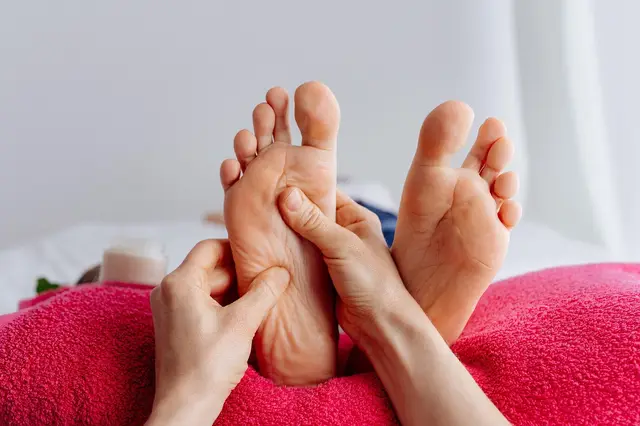
Mobile reflexologist
Take reflexology to clients' homes, workplaces and care settings with a portable treatment kit.
- £500-2.5k
- Side hustle
- Out and about
Workplace wellbeing sessions
Run talks, workshops and drop-in sessions on nutrition and wellbeing for local employers.
- £500-2.5k
- Side hustle
- Out and about
Online private counsellor
Offer one-to-one talking therapy by video or phone to clients across the UK from a quiet room at home.
- £500-2.5k
- Side hustle
- From home
Home treatment room for Thai massage
Set up a calm treatment room at home and see regular Thai massage clients by appointment.
- £400-2.5k
- Side hustle
- From home
Mobile sports massage therapist
Treat runners, gym-goers and club players with sports massage at their home or workplace.
- £400-2.5k
- Side hustle
- Out and about
Sports massage in a rented gym or clinic room
Rent a treatment room by the day or hour in a gym, clinic or studio and build a full diary.
- £500-2.5k
- Part-time
- Own premises