Crockery and tableware market stall
Sell tableware and gift sets from a stall at markets, fairs and events.

- £1k-4k
- Side hustle
- Out and about
- Licence or permit needed
Estimates for a small start in the UK, not guarantees.
What it is
A stall or pop-up selling dinnerware, mugs and kitchen tableware at local markets, craft fairs and seasonal events. Customers can see and handle the goods before buying.
Your first three steps
- Visit local markets and note which have homeware stalls and what they charge for a pitch
- Buy a first range of stock from wholesalers or clearance sources, plus a table, covers and a card reader
- Book a trial pitch at one or two markets and track what sells
Who pays
Local shoppers, gift buyers and people setting up a new home.
How it makes money
You sell at a markup on trade prices, with bundles and end-of-line bargains to move stock. Takings depend on pitch fees and footfall.
Skills that help
- Selling face to face
- Attractive, safe display
- Handling cash and card payments
Watch out for
- Check with your council whether you need a street trading licence or permission for your pitch
- Public liability insurance, which most markets ask for
- Breakages while loading and in busy crowds, so check stock cover
- Pitch fees and poor weather can cut profit, so test a few markets first
- You will need a vehicle or other way to carry heavy boxes
Deep research report · UK
Everything you need to start: crockery and tableware market stall
Researched with live web search for United Kingdom: real startup prices, the licences and rules, what others charge, a break-even example, how to find your first customers and a 30-day launch plan. With sources.
- Startup costs with real prices
- Licences, registration and rules
- Pricing: what others charge
- Break-even example
- Finding your first customers
- 30-day launch plan
- Risks and how to reduce them
Questions people ask
How much does it cost to start a crockery market stall?
Startup costs are typically around £1,000 to £4,000, depending on your stock, display and how you carry heavy boxes. Pitch fees and insurance are also worth budgeting for.
How much can a tableware market stall earn?
Monthly revenue is typically around £600 to £3,500, depending on the markets you attend, your stock and the weather. Pitch fees and poor weather can cut profit, so test a few markets first.
What should I check before selling at markets?
Check with your council whether you need a street trading licence or permission for your pitch. Check public liability insurance, which most markets ask for, and stock cover for breakages while loading and in busy crowds.
Other ways to run this business
Online crockery and tableware shop
Sell dinnerware, china and gift sets online, with no shop rent to pay.
- £800-5k
- Side hustle
- Online

Independent crockery and tableware shop
Open a small high street shop selling tableware, china and gifts.
- £10k-50k
- Full-time
- Own premises
Similar retail ideas

Online toiletries and grooming shop
Sell soaps, shaving products and personal care items online from home, focused on one clear niche.
- £500-4k
- Side hustle
- Online

Online power tool and trade supplies shop
Sell power tools, accessories and site kit to tradespeople online, without needing a shop.
- £800-4k
- Side hustle
- Online
Online Irish goods shop
Sell Irish food, knitwear, crafts and gifts online to people in the UK with Irish roots or interests.
- £800-4k
- Side hustle
- Online

Online branded merchandise shop for a niche
Run a website selling custom branded items to one type of customer, such as sports clubs, charities or small trades firms.
- £500-4k
- Side hustle
- Online
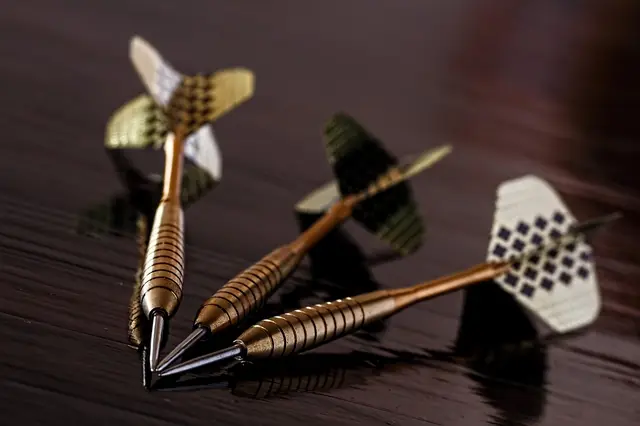
Online darts shop
Sell darts, flights, shafts and boards online to players, pubs and clubs across the UK.
- £500-4k
- Side hustle
- Online
Online needlework and stitching shop
Sell embroidery and cross-stitch kits, threads and fabrics to hobby stitchers through your own website or marketplace shop.
- £800-4k
- Side hustle
- Online