Local DIY and hardware shop
Open a small shop selling tools, paint and fixings to homeowners and tradespeople nearby.
- £15k-60k
- Full-time
- Own premises
Estimates for a small start in the UK, not guarantees.
Official data
3,482 UK companies in this field, 22% registered in the last 2 years
SIC 47520 “Retail sale of hardware, paints and glass in specialised stores”. Source: Companies House, November 2026.
What it is
A small high street or parade shop stocking everyday DIY items: hand and power tools, paint, screws and fixings, adhesives, plumbing and electrical basics. Advice and loose items sold by the piece set you apart from the big sheds.
Your first three steps
- Visit a few local streets and note gaps, such as areas with no independent hardware shop or lots of older housing
- Contact trade wholesalers and buying groups for hardware retailers to compare stock ranges, minimum orders and prices
- Price up a lease or short-term let for a small unit, including rent, business rates and fit-out, and draft a simple cash flow forecast
Who pays
Local homeowners, landlords, small builders and tradespeople who want something quickly without driving to a retail park.
How it makes money
You buy from wholesalers and suppliers and sell at a markup. Extras such as key cutting, paint mixing, cut-to-size materials and trade accounts add repeat custom.
Skills that help
- Good product knowledge or willingness to learn
- Friendly, practical customer advice
- Stock control and ordering
- Basic bookkeeping
Watch out for
- Lease terms, business rates and whether the unit has the right planning use for retail, check with the landlord and your council
- Public liability and product liability insurance, plus stock and contents cover
- Rules on selling paints, solvents and other chemicals, including labelling and storage, check with Trading Standards and the Health and Safety Executive
- If you sell electrical tools or batteries, check whether you need to register under producer responsibility rules
- Competition from big chains and online sellers, so cash flow and stock choice matter
- Employer's liability insurance once you take on staff
Deep research report · UK
Everything you need to start: local DIY and hardware shop
Researched with live web search for United Kingdom: real startup prices, the licences and rules, what others charge, a break-even example, how to find your first customers and a 30-day launch plan. With sources.
- Startup costs with real prices
- Licences, registration and rules
- Pricing: what others charge
- Break-even example
- Finding your first customers
- 30-day launch plan
- Risks and how to reduce them
Questions people ask
How much does it cost to open a DIY and hardware shop?
Startup costs are typically around £15,000 to £60,000, depending on the premises, fit-out and how much opening stock you buy. These are estimates, so check lease terms and business rates before you commit.
How much can a local DIY shop earn?
Monthly revenue is typically around £8,000 to £35,000, depending on your location, range and footfall. The estimate assumes at least about 40 hours a week. Revenue is not profit, so allow for stock, rent and staffing.
What rules should I check before opening a DIY shop?
Check lease terms, business rates and planning use for retail with the landlord and council. Check Trading Standards and HSE guidance on selling paints, solvents and chemicals, producer responsibility registration for electrical tools or batteries, and insurance including employer's liability once you hire.
Other ways to run this business
Similar retail ideas

Independent menswear shop
Open a small local shop selling shirts, trousers and suits, with fitting advice customers can't get online.
- £15k-60k
- Full-time
- Own premises

Local Judaica shop
Open a small shop near a Jewish community selling ritual items, books and gifts, with advice and personal service.
- £15k-60k
- Full-time
- Own premises

Computer parts distributor from a small unit
Hold stock of components and systems in a small unit and supply local resellers and repair shops quickly.
- £15k-60k
- Full-time
- Own premises

Local stationery and office supplies shop
Run a small high street shop selling stationery, paper and office basics to nearby businesses, schools and households.
- £15k-60k
- Full-time
- Own premises
Handmade wooden furniture showroom
Open a small shop showing solid wood, traditional-style furniture made by local craftspeople, with made-to-order options.
- £15k-60k
- Full-time
- Own premises

Motorcycle parts and gear shop
Open a small local shop selling parts, accessories and riding gear to riders and workshops.
- £15k-60k
- Full-time
- Own premises
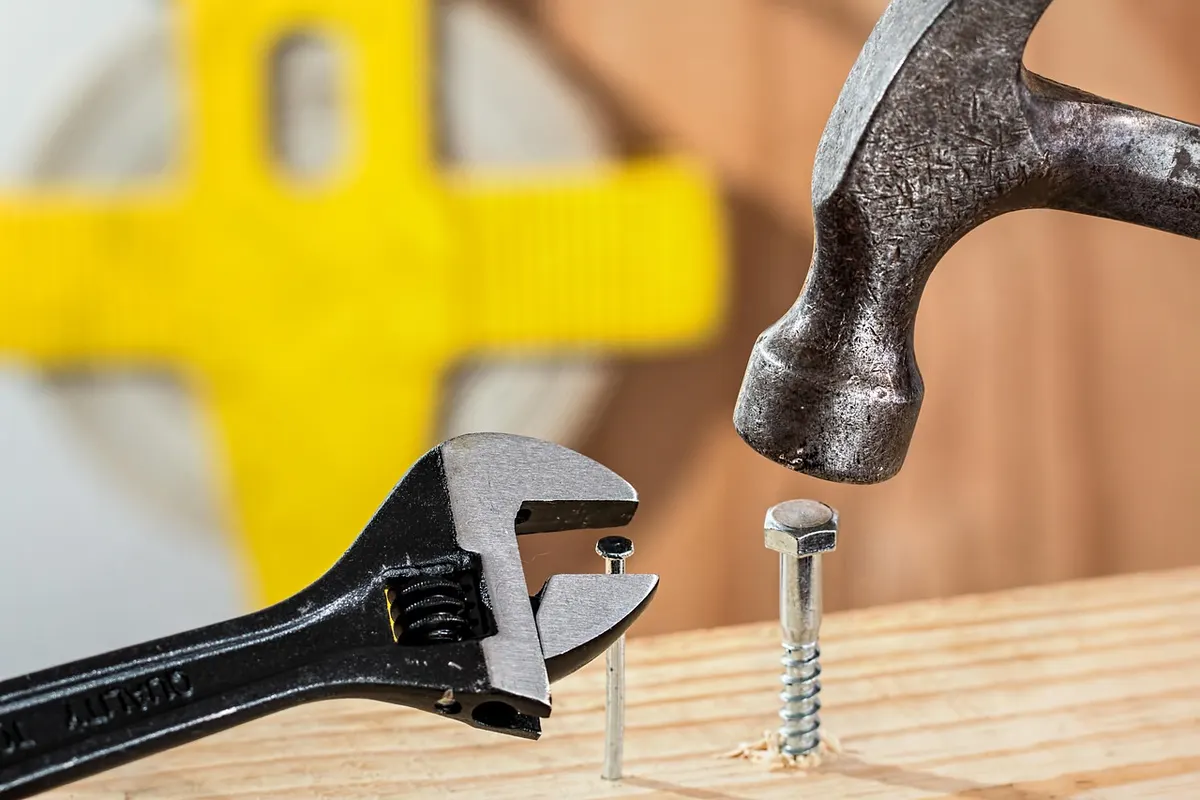
Photo: stevepb on Pixabay