Online DIY supplies shop
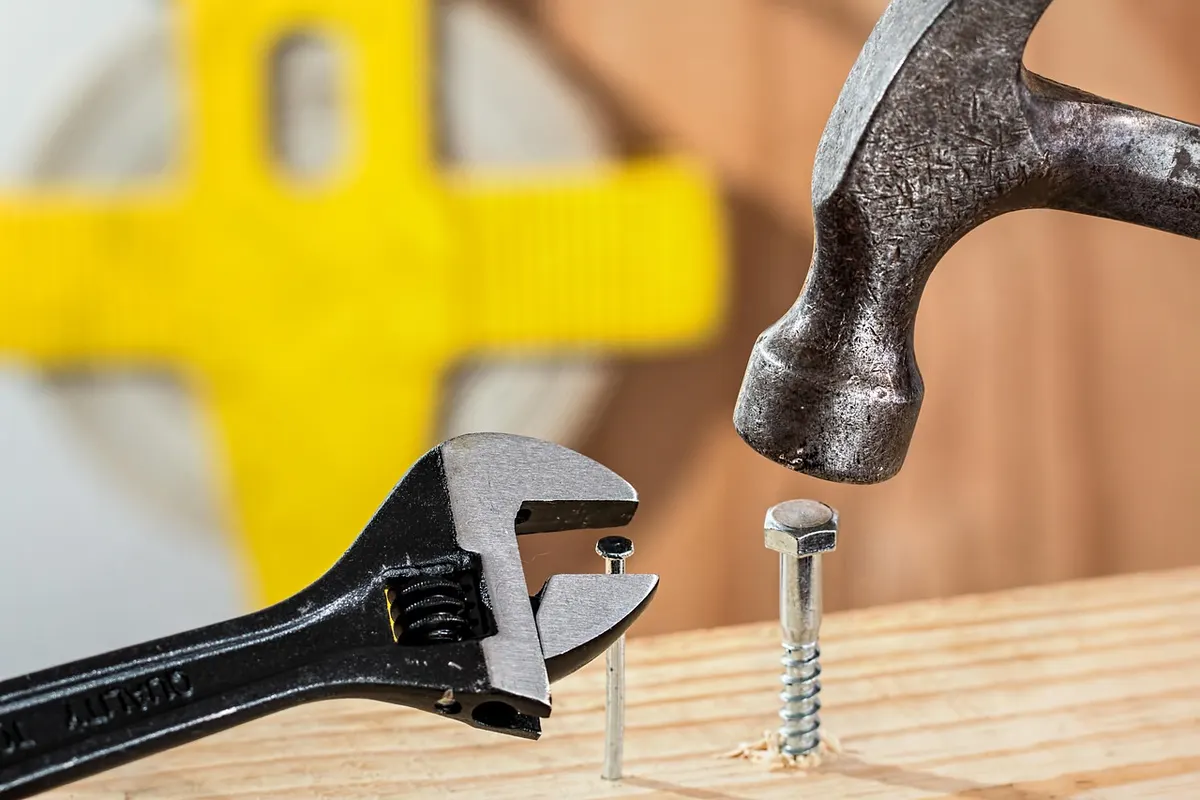
Sell a focused range of fixings, tools or decorating supplies online from a spare room or small storage space.
- £1.5k-7k
- Side hustle
- Online
Estimates for a small start in the UK, not guarantees.
Official data
3,482 UK companies in this field, 22% registered in the last 2 years
SIC 47520 “Retail sale of hardware, paints and glass in specialised stores”. Source: Companies House, November 2026.
What it is
A small web shop built around one corner of DIY, such as fixings and fasteners, decorating supplies or garden and shed tools. You hold some stock yourself or use supplier delivery, and post orders to customers.
Your first three steps
- Choose a narrow niche and compare what existing online sellers charge for postage and delivery times
- Open trade accounts with two or three wholesalers and test your best-selling items with a small stock order
- Set up a simple online shop and list your first products with clear photos, sizes and descriptions
Who pays
Homeowners and small tradespeople who want a better range or advice on a specific type of product than a general shop offers.
How it makes money
You sell at a markup over trade prices. Multi-pack bundles, project kits and repeat orders from tradespeople help lift the average order.
Skills that help
- Product knowledge in your chosen niche
- Basic website and photo skills
- Packing and order handling
- Customer email support
Watch out for
- Online selling rules on returns, refunds and clear pricing, check the current consumer rights guidance
- Heavy or bulky items can make postage costs eat your margin
- Rules on selling and posting paints, aerosols and chemicals, check with your couriers and Trading Standards
- Check whether selling electrical tools or batteries means you need to register under producer responsibility rules
- Product liability and public liability insurance, plus cover for stock stored at home
- Running from home may need permission from your landlord or mortgage lender
Deep research report · UK
Everything you need to start: online DIY supplies shop
Researched with live web search for United Kingdom: real startup prices, the licences and rules, what others charge, a break-even example, how to find your first customers and a 30-day launch plan. With sources.
- Startup costs with real prices
- Licences, registration and rules
- Pricing: what others charge
- Break-even example
- Finding your first customers
- 30-day launch plan
- Risks and how to reduce them
Questions people ask
How much does it cost to start an online DIY shop?
Startup costs are typically around £1,500 to £7,000, depending on your website, how much stock you hold and your packing supplies. These are estimates, so a narrow range can help keep early costs down.
How much can an online DIY shop earn?
Monthly revenue is typically around £800 to £4,000, depending on your niche, range and marketing. The estimate assumes at least about 10 hours a week. Revenue is not profit, so allow for stock and postage, as bulky items can eat into margins.
What should I check before selling DIY supplies online?
Check the current consumer rights guidance on returns, refunds and clear pricing. Check with couriers and Trading Standards on posting paints, aerosols and chemicals, and whether producer responsibility registration applies to electrical tools or batteries. Also check insurance and landlord or lender permission.
Other ways to run this business

Similar retail ideas

Online East Asian herbs and teas store
Sell teas, herbs and wellness products from East Asian traditions through your own website, run from home.
- £1.5k-7k
- Side hustle
- Online

Online solar kit and parts shop
Sell solar panels, inverters and kits online to DIY buyers, campervan owners and small off-grid users.
- £1.5k-7k
- Side hustle
- Online

Dress and formalwear hire from home
Hire out gowns, prom dresses and formal outfits by appointment from a spare room, with a small, carefully chosen collection.
- £1.5k-7k
- Side hustle
- From home
Home-based custom embroidery service
Embroider names, logos and gifts for local clubs, small firms and families from a spare room, using a machine.
- £1.5k-7k
- Side hustle
- From home
Table tennis stall at clubs and tournaments
Take a stock of bats, rubbers and balls to clubs, leagues and tournaments where players can try and buy.
- £2k-7k
- Side hustle
- Out and about

Online skate shop
Sell roller and ice skates, pads and spare parts to skaters through your own website or marketplaces.
- £1.5k-7k
- Side hustle
- Online
Photo: stevepb on Pixabay