Resident DJ for bars and clubs
Win regular DJ nights at local bars, pubs and clubs, using the venue's equipment.

- £300-1.5k
- Side hustle
- Out and about
Estimates for a small start in the UK, not guarantees.
What it is
You play regular sets at bars, pubs and clubs, often on Fridays and Saturdays, and build a following for a style of music. Many venues have their own equipment, so you may only need controllers or headphones.
Your first three steps
- Record a mix and a short video of you playing, and make a simple profile page
- Visit local venues, talk to managers or promoters and offer a trial night
- Play open decks or quieter slots to build experience and a following
Who pays
Bar, pub and club owners or promoters who book you for each night or on a regular residency.
How it makes money
A fee per night or set, sometimes with a bar tab. Rates rise as you bring in a crowd and become known locally.
Skills that help
- Mixing smoothly for a live crowd
- Knowing a genre or scene well
- Self-promotion on social media
Watch out for
- Check who holds the music licence: the venue normally does, but confirm this
- Pay can be low at first, so agree the fee and finish time in writing
- Late nights and irregular income, so keep another source of income at the start
- Insurance for your own equipment if you bring it
Deep research report · UK
Everything you need to start: resident DJ for bars and clubs
Researched with live web search for United Kingdom: real startup prices, the licences and rules, what others charge, a break-even example, how to find your first customers and a 30-day launch plan. With sources.
- Startup costs with real prices
- Licences, registration and rules
- Pricing: what others charge
- Break-even example
- Finding your first customers
- 30-day launch plan
- Risks and how to reduce them
Questions people ask
How much does it cost to become a resident DJ?
Startup costs are typically around £300 to £1,500, depending on what you need to bring yourself. Many venues have their own equipment, so you may only need controllers or headphones, but check what each venue provides.
How much can a resident DJ earn?
Monthly revenue is typically around £150 to £1,200, depending on how many nights you secure, the venues and the fee you agree. Pay can be low at first, so it helps to keep another source of income while you build up.
What should I check before taking a residency at a bar or club?
Check who holds the music licence, as the venue normally does, but confirm this. Agree your fee and finish time in writing, and check insurance for your own equipment if you bring it. Late nights and irregular income are also worth planning for.
Other ways to run this business

Similar events ideas

Local online ticket seller
Sell tickets online for small local events and shows, and keep a booking fee on each sale.
- £300-1.5k
- Side hustle
- Online

Online balloon and party decor business
Sell balloon bouquets, helium balloons and party decor online from home, with local delivery.
- £300-1.5k
- Side hustle
- From home
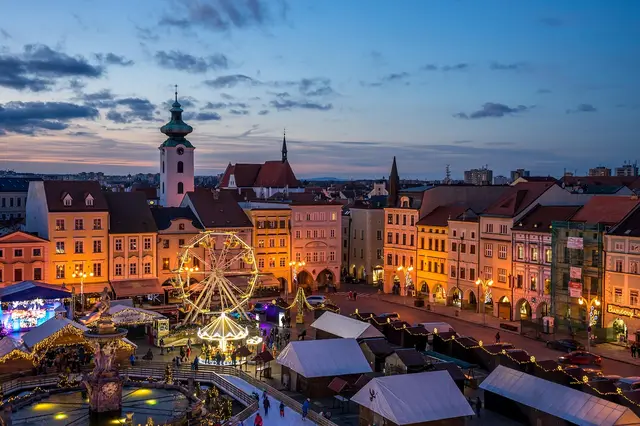
Village hall Christmas fair organiser
Hire a local hall, fill it with 20 to 40 craft and food stalls and charge stallholders a pitch fee.
- £300-1.5k
- Side hustle
- Out and about

Children's party magician
Perform fun, interactive magic shows at birthday parties and family events at weekends.
- £200-1.5k
- Side hustle
- Out and about

Home-based event planner
Plan birthdays, weddings and small parties for clients from your home, working with local venues and suppliers.
- £200-1.5k
- Side hustle
- From home

Online agency for event musicians
Represent bands, solo musicians and performers and book them for weddings, parties and corporate events, taking a commission.
- £300-1.5k
- Side hustle
- Online
Photo: FoxFedProductions on Pixabay