Small pay-to-use EV charging site
Install a handful of chargers on land you own or lease and earn from every driver who plugs in.
- £40k-150k
- Part-time
- Own premises
Estimates for a small start in the UK, not guarantees.
Official data
2,751 UK companies in this field, 22% registered in the last 2 years
SIC 35140 “Trade of electricity”. Source: Companies House, November 2026.
What it is
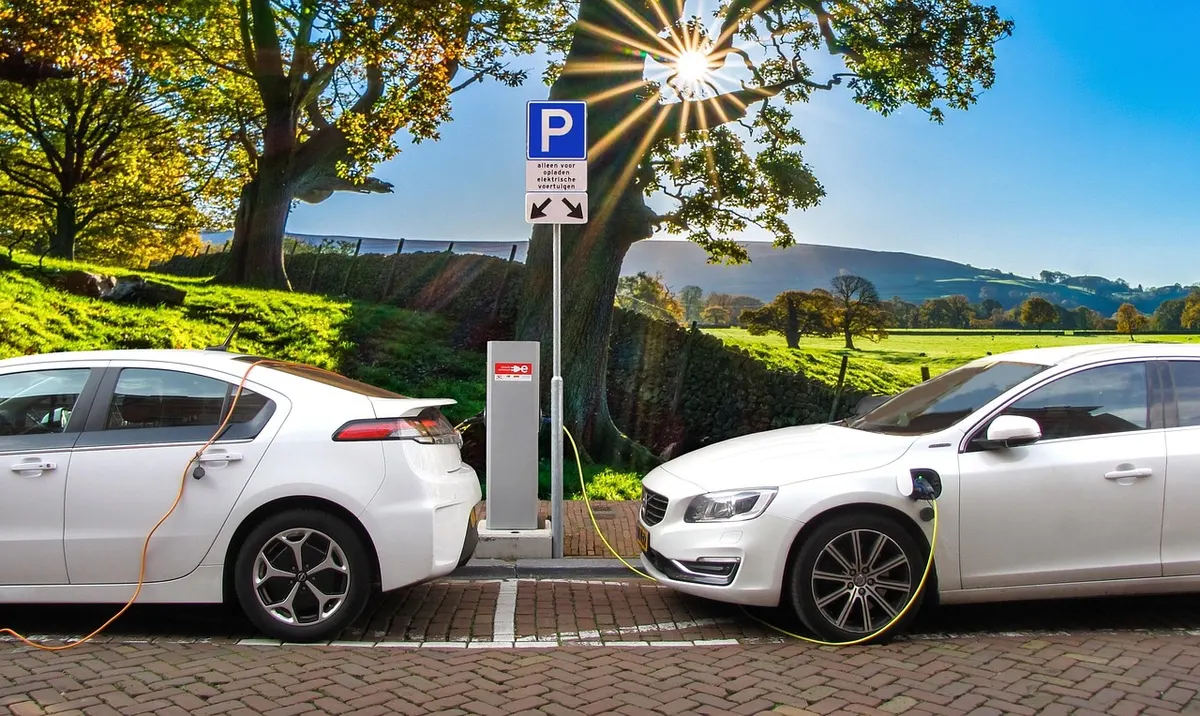
A small site, such as a car park, yard or plot near a road or village, with around four to six chargers that any driver can use and pay for through an app or contactless card. A charge point management company usually handles payments, monitoring and driver support.
Your first three steps
- Pick a site with a secure right to use the land, then check nearby charging on a map like Zap-Map to see how busy the area looks
- Ask your local distribution network operator about grid connection cost and timescales, and get quotes from two or three accredited installers
- Compare charge point management providers for fees and payment features, and check current grants for chargepoint installation
Who pays
Electric vehicle drivers: locals without home charging, visitors, delivery drivers and people passing through.
How it makes money
You charge drivers per kWh, sometimes with a small session or idle fee, and keep the difference between that and your electricity cost, minus software fees and maintenance.
Skills that help
- Organising contractors and suppliers
- Basic budgeting and pricing
- Customer service for driver queries
- Patience with permissions and paperwork
Watch out for
- Grid connection can be the biggest cost and can take months, so get a quote before you commit
- Check whether planning permission is needed for your site and chargers
- Check whether the Public Charge Point Regulations apply to you, for example contactless payment, price display and reliability
- Use a suitably qualified electrician and keep the certification
- Public liability and property insurance, plus landlord consent if you lease the land
- Check business rates, VAT and how electricity resale is treated for your set-up
- Chargers can be unreliable or vandalised, so plan for maintenance and a support number
- Income depends on local demand and may build slowly
Deep research report · UK
Everything you need to start: small pay-to-use EV charging site
Researched with live web search for United Kingdom: real startup prices, the licences and rules, what others charge, a break-even example, how to find your first customers and a 30-day launch plan. With sources.
- Startup costs with real prices
- Licences, registration and rules
- Pricing: what others charge
- Break-even example
- Finding your first customers
- 30-day launch plan
- Risks and how to reduce them
Questions people ask
How much does it cost to set up a public EV charging site?
Startup costs are typically around £40,000 to £150,000, depending on your site, the number of chargers and the grid connection. Grid connection can be the biggest cost and take months, so get a quote before committing.
How much can a small EV charging site earn?
Monthly revenue is typically around £500 to £2,500, depending on local demand, pricing and how many chargers you install. Income may build slowly, and chargers can be unreliable or vandalised, so plan for maintenance and support.
What rules should I check before opening a public EV charging site?
Check whether planning permission is needed, and whether the Public Charge Point Regulations apply, such as contactless payment, price display and reliability. Also check electrician certification, insurance, landlord consent if you lease, business rates, VAT and electricity resale.
Other ways to run this business
Similar transport ideas

Secure motorhome and caravan storage yard
Run a purpose-built, gated yard with CCTV and hardstanding for motorhomes and caravans on monthly or annual fees.
- £30k-150k
- Part-time
- Own premises

Trailer hire depot with a larger fleet
Run a rented yard with a wider range of trailers for trades, farms and households, with online booking and delivery.
- £40k-150k
- Full-time
- Own premises

Refrigerated lorry haulage for contract work
Run a refrigerated lorry carrying temperature-controlled loads for wholesalers and food firms on regular contracts.
- £45k-140k
- Full-time
- Out and about

Local heating oil tanker round
Run a small delivery tanker supplying home heating kerosene to off-gas-grid homes and businesses.
- £40k-120k
- Full-time
- Out and about

Small local car hire fleet
Rent a handful of well-kept cars by the day to locals, visitors and people whose own car is in the garage.
- £30k-120k
- Part-time
- Own premises
Small coach operator for tours and groups
Run one used full-size coach for tours, schools, clubs and events, then add a second driver or vehicle.
- £40k-120k
- Full-time
- Out and about
Photo: Joenomias on Pixabay